
In brief
The Algerian national assembly approved a new criminal law that adds the death penalty to cases of arson of forests, woods and fields. The law also marks child kidnapping involving torture or sexual assault as capital offences. The decision follows a heatwave that sparked more than 100 fires in the north‑east, with the official death toll at 12 but some independent estimates reaching 200. President Tebboune ordered the new law after investigations suggested organised arson, possibly linked to foreign actors. The law awaits review by the Council of the Nation before it is ratified.
Legal Action Following Devastating Fires
The Algerian national assembly voted to impose the death penalty on anyone convicted of deliberately setting fire to forests, woods or fields. The law, passed on Thursday, also makes child kidnapping involving torture or sexual assault a capital offence.
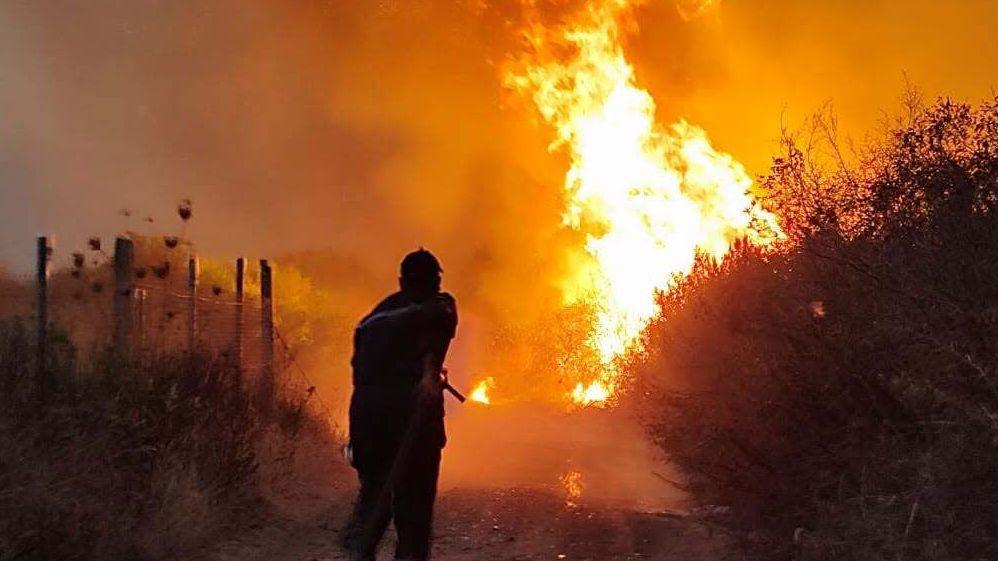
While capital punishment has existed in the country’s penal code for various crimes, no execution has taken place since 1993. The new measure comes after more than 100 fires scorched the north‑east during a severe heatwave, claiming at least 12 lives, though independent sources estimate the toll is higher.
President Abdelmadjid Tebboune directed the justice ministry to amend the criminal law following the blazes. Justice Minister Lotfi Boudjemaa explained to parliament that the death penalty is a necessary deterrent as arson has become an "organised crime" with links to foreign parties.
The Council of the Nation, Algeria’s upper legislative chamber, will review the bill before the president signs it. The legislation will also criminalise child abductions that feature physical abuse, sexual assault or mutilation.
Investigators and journalists, such as Nozha Khelalef, are compiling lists of those who died in the fires. Her independent tally on Twala estimates the death count at 200, far above the official figure.
Wildfires are a recurring issue in Algeria, but climate change has amplified their intensity and spread. The new law reflects a hardening stance on environmental and social crime in the wake of these disasters.