Canada celebrates its 159th birthday, yet separatist aspirations in Alberta and Quebec keep the nation's unity on fragile ground.
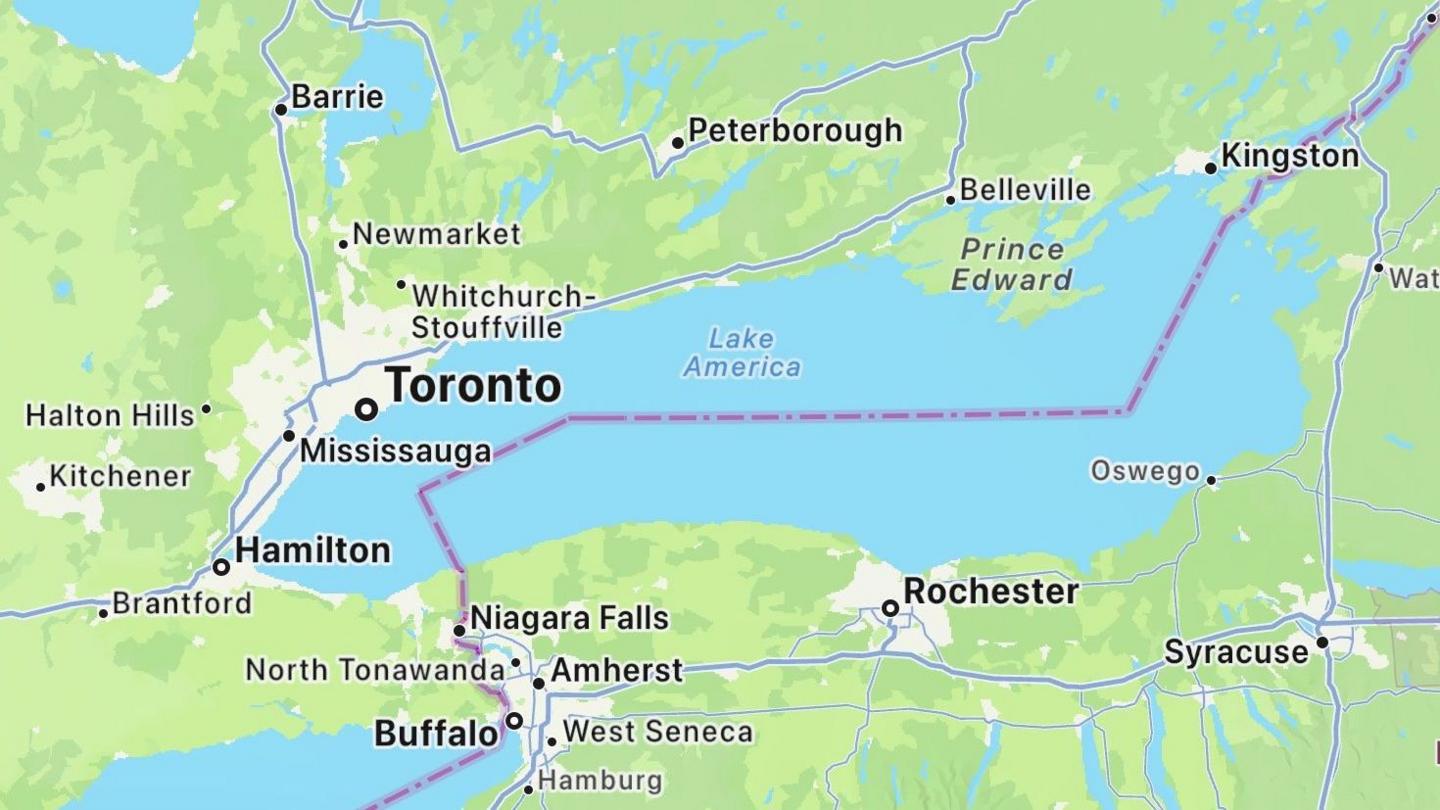
Alberta voters will decide on a binding referendum on provincial sovereignty in October, with polls indicating 25‑30% support for leaving the country. In Quebec, the Parti Quebecois leads the upcoming election, pledging a third referendum on independence if it wins, while public support for secession remains around 30%.
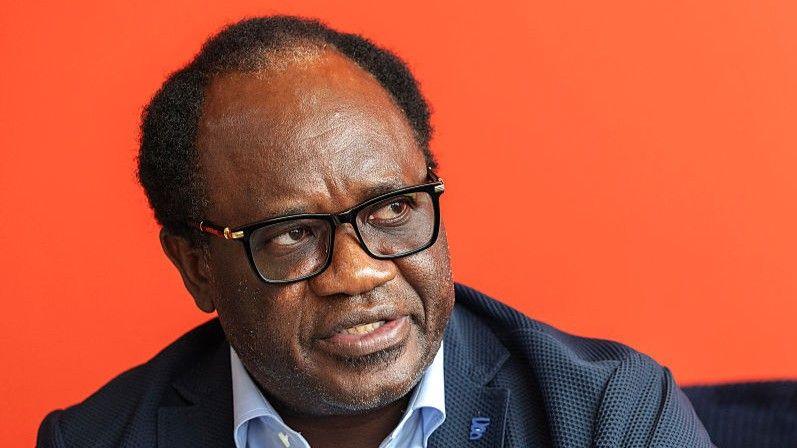
Professor André Lecours of the University of Ottawa calls it a “year of pressures on Canadian national unity” and stresses the need for balance between provincial demands and federal cohesion. He warns that decisive action is required to prevent a split.
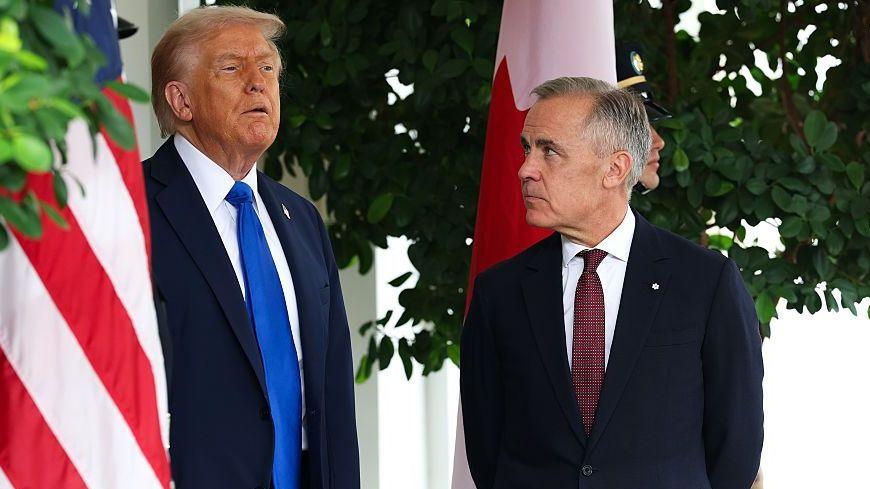
Prime Minister Mark Carney, who once served as governor of the Bank of England during Brexit, voiced his concern that the Alberta debate mirrors past secession risks. He announced a symbolic trip to Edmonton to champion the idea of a united Canada.
Carney signs a new partnership with Alberta that could allow an oil pipeline to the Pacific, marking a reset in relations that have long been tense over energy policy. He emphasizes that Alberta’s resources should belong to Albertans, not be dictated by Ottawa.
In Quebec, Carney has introduced significant infrastructure investments—about C$10 billion—for hospitals, housing and public transit. He reiterates that while differences exist, common progress can bind the provinces.
According to a recent Angus Reid Institute survey, most Canadians doubt that Alberta or Quebec would successfully separate. Many appreciate the need for compromise, and see it as the key to fending off division.