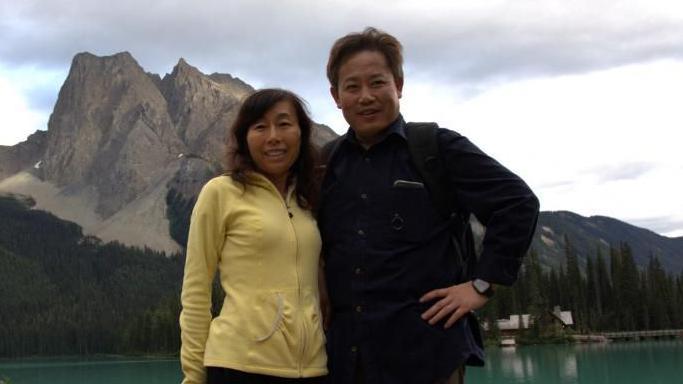
On a cold November night in Beijing, the Chinese authorities detained 54‑year‑old Chen Youlin, a U.S. citizen renowned for his work monitoring nuclear tests through seismic data. He has been a U.S. citizen since 2011, but was born in China and spent his early career there before moving to Boston.
Chen’s research, funded by U.S. government agencies, focused on North Korea’s underground blasts and the seismic signatures that signify nuclear detonations. Family members and the hostage‑advocacy group Global Reach say the arrest was baseless; they argue Chen’s work with Chinese colleagues was openly collaborative and aimed at enhancing international safety.
The Chinese foreign ministry promptly denied any injustice, asserting that “judicial authorities handle cases in accordance with the law” and that espionage convictions can lead to life imprisonment or death. It also announced that Chen is the only U.S. citizen labeled “wrongfully detained.” In contrast, U.S. Senator Edward Markey publicly called the prosecution a “grave affront” that endangers scholarly interaction with China.
Chen’s wife, Rong Yufang, a fellow seismologist, reported over a hundred interrogations and a 13‑month period without legal counsel. She expressed deep concern for her husband’s health—he suffers from diabetes, high blood pressure, and high cholesterol—and called for proper medical care and release.
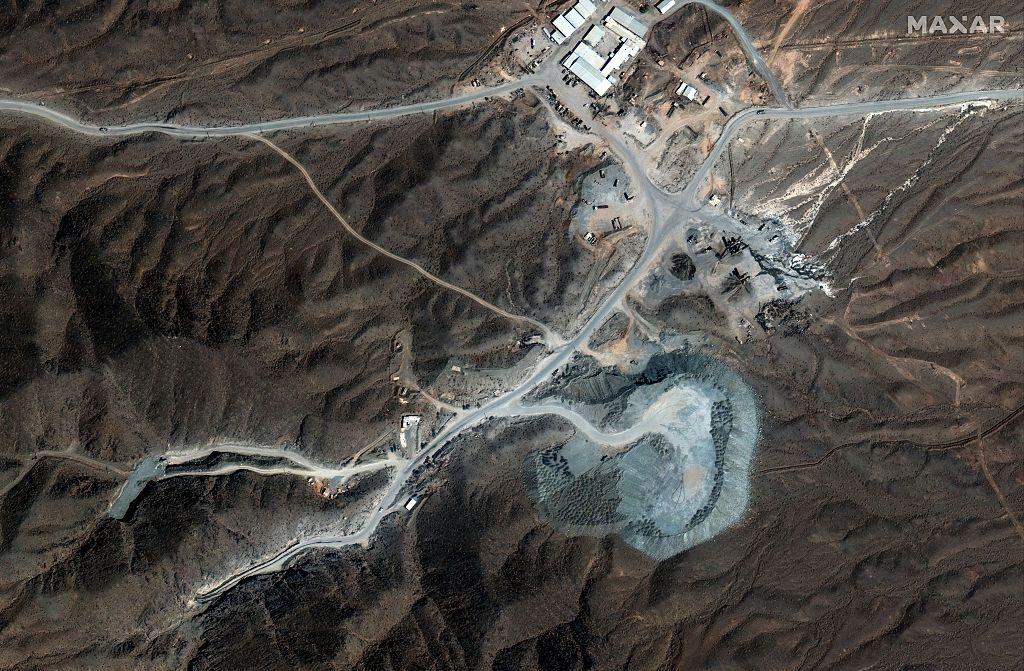
Analysts believe China’s arrest may have been motivated by the U.S.’s scrutiny of China’s alleged covert nuclear tests at Lop Nur. The Comprehensive Nuclear Test Ban Treaty, which prohibits all nuclear explosions, faces potential under‑the‑patent threats from states like China and the United States, even as both maintain voluntary moratoria.
The incident follows the recent arrest of Min Zin, a U.S. scholar on the Myanmar Institute, who was also accused of espionage. The pattern suggests a pattern of cautious engagement by China toward foreign academics with sensitive expertise.
International observers fear that such detentions may deter scholars worldwide from collaboration, potentially eroding scientific diplomacy. The U.S. and relevant organizations continue to pressure Beijing for Chen’s release and for transparency regarding the charges.