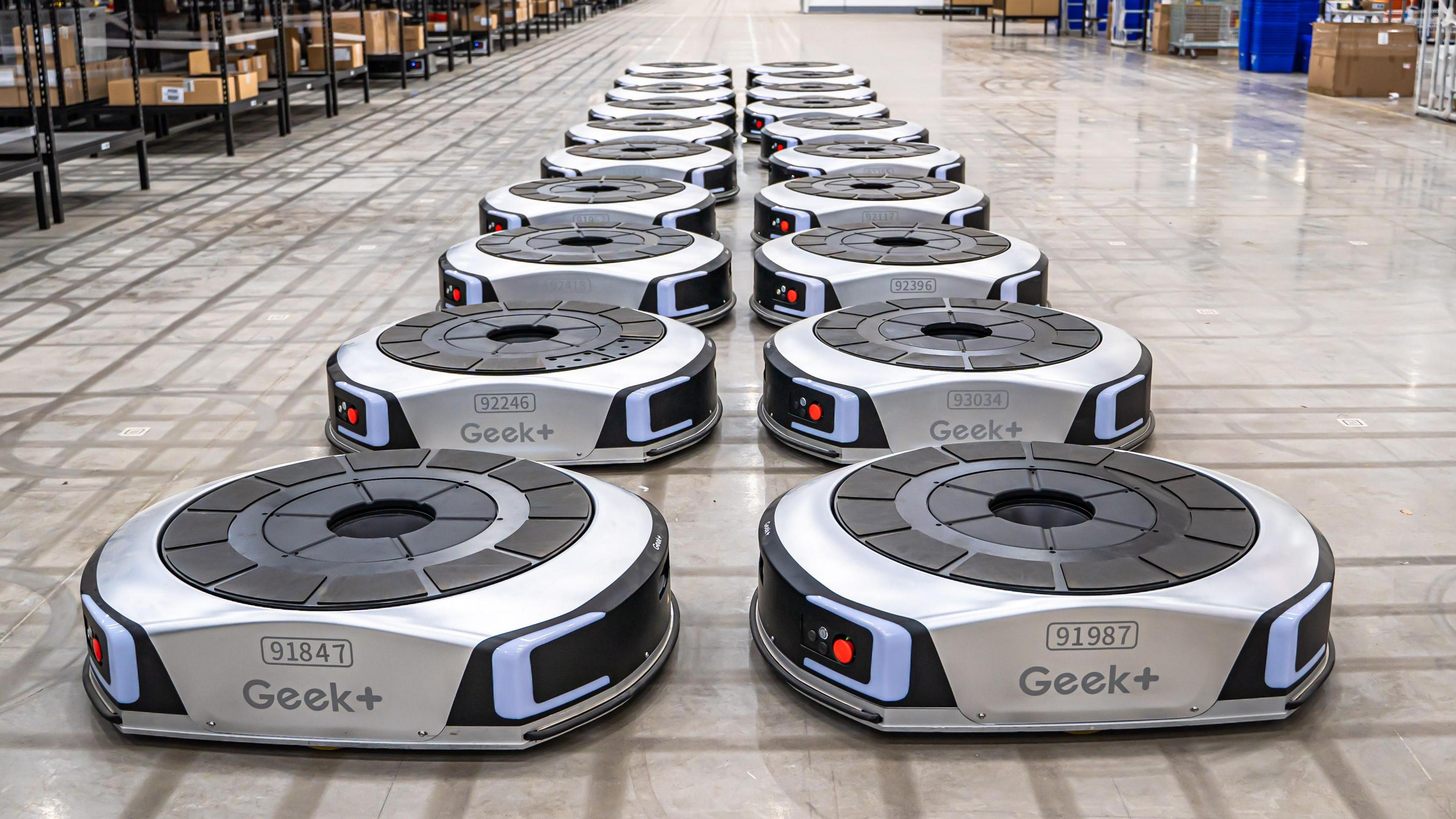
When a customer clicks “buy” online and pays, the order is often prepared inside a British warehouse by a fleet of Chinese‑built autonomous mobile robots. These silver machines glide beneath shelving rows, lift entire pallets and transfer goods to the point of pick‑up for human workers.
From Hefei to London
The robots are born in Beijing‑backed factories in Hefei, China, where engineers build and test them before shipping them to warehouses in the UK and beyond. Tech‑giants such as Geek+ have become the world’s largest supplier of these autonomous solutions, delivering more than 2,000 units across ten UK sites for retailers that include Tesco, Asda and Next.
Boosting Efficiency and Taming Labour Shortages
By moving the repetitive volume moves that take a human near‑infinite time, Geek+ claims earnings for faster picking, higher storage density, and lower error rates. Unlike fixed conveyor systems, the robots are deployed using simple QR‑code floor markers and safety fencing, making setup faster and cheaper for retailers that still have only rudimentary automation.
The Productivity Imperative
The United Kingdom has struggled with weak productivity growth for a decade. An OECD 2026 report says that technologies such as robotics will be key to catching up, especially as the UK’s manufacturing heritage lags behind Japan, Korea, or Germany. It argues that Britain’s late adoption of robotics is surprising given its pillarised digital technologies, and urges firms to adopt— and even invest in— automation to meet a severe labor shortage.
Labour, Union and Future Directions
The Trade Union Congress (TUC) stresses that robotic adoption should raise productivity while preserving or enhancing workers’ conditions. It urges firms and governments to involve workers in decision‑making and to invest in retraining programmes. Meanwhile, industry voices such as MotionTech note that customers want high‑volume, speed‑oriented solutions that fit within smaller footprints, signalling an escalating demand for autonomous tech.
Beyond Shelves: The Humanoid Promise
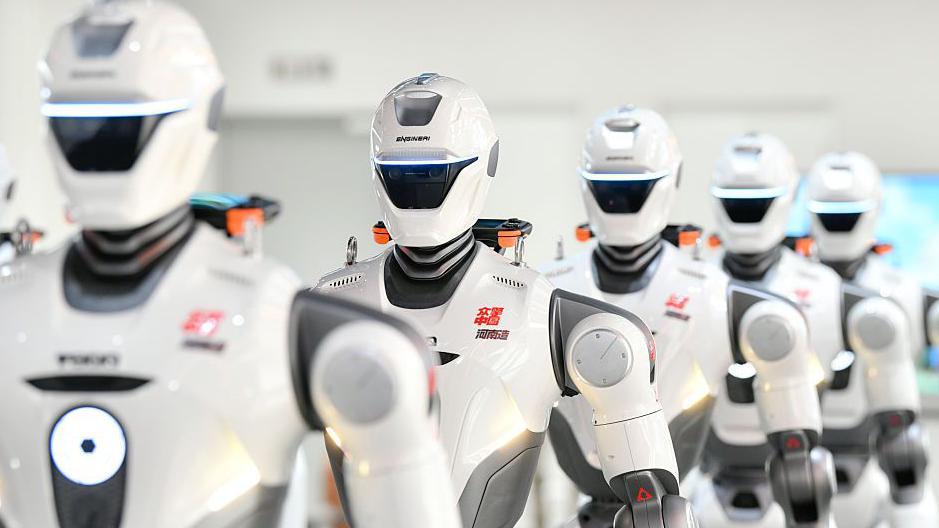
Geek+ and other Chinese companies are now pushing toward end‑to‑end unmanned warehouse solutions, including pick‑and‑pack functions. The next frontier will involve humanoid robots, which could move in spaces designed for people rather than wheeled machines. While the current technology is not yet ready for highly repetitive tasks that demand fine dexterity, its potential to blend into human‑designed workplaces opens new possibilities across factories, hospitals, and offices.
For Britain, the current wave of Chinese robotics presents an opportunity to capture gains in productivity and to design future workplaces that are more flexible, inclusive, and resilient. The next chapters in the story will be written in real‑time in the aisles where shelves move autonomously, the corridors where humanoid pilots test their limits, and in the policy debates that align technology with worker welfare.