In brief
At least 52 civilians were killed in Alamata, northern Tigray, during a three‑day clash between federal troops and Tigrayan fighters, according to hospital sources. The government has seized the town and is pushing north toward Mekelle as social media shows tanks prowling its streets. The fighting has spilled into adjacent regions, stranding tourists in Lalibela and cutting off banking and internet services in the province. Both sides blame each other for breaking a 2022 ceasefire and an independent report notes more than 700 wounded have been admitted to hospitals. Amid the conflict, a worker in Addis Ababa warns that Tigrayan bank accounts are frozen, leaving many displaced residents in financial crisis.
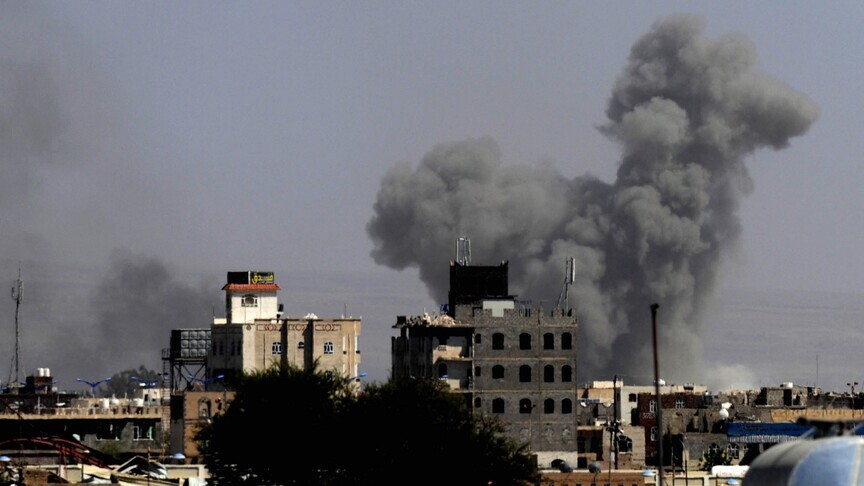
FIVE PEOPLE HAVE LOST THEIR LIVES in the fierce fighting around the Ethiopian town of Alamata in the northern Tigray region. Hospital staff told the BBC that the clashes – which lasted from Saturday night to Monday – involved heavy explosive fire and artillery that fell on residential areas, killing children, mothers and cattle herders. The casualty figure of 52 adults and children came from a medic at Alamata General Hospital, who was interviewed anonymously.
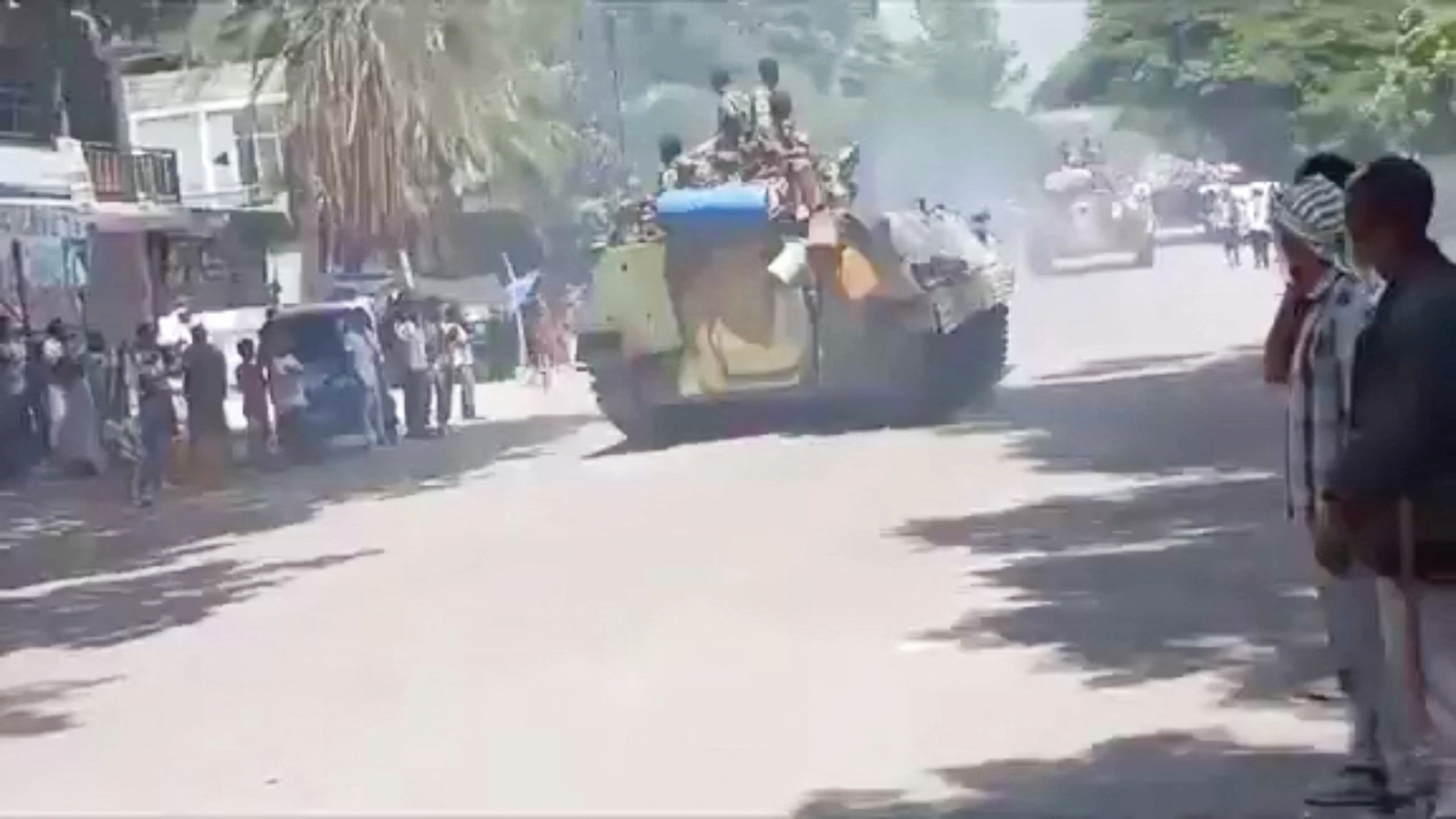
The government has taken control of Alamata from regional soldiers and plans to move north towards Mekelle, the key city of Tigray. Social‑media footage shows army tanks and armored vehicles crossing the streets, marking the scale of the offensive. Both sides argue that the on‑the‑ground conflict started after a bomb strike targeted an airport, while the Tigrayan forces accuse the federal army of violating the 2022 cease‑fire agreement that ended a two‑year war.
The clash has reverberated beyond the immediate battlefield. Stranded tourists in the UNESCO‑listed town of Lalibela, 200 kilometres away, have been cut off since the airport closed to commercial flights. A British tourist, who asked not to be named, relayed that the town’s highways were patrolled by military vehicles and that the situation was calming only in the last two days. Ten Israeli tourists were flown out by helicopter, while a group of five others left the area in a civilian convoy earlier.
The conflict has also disrupted communications and commerce in Tigray. Banking services have been suspended and internet access has been cut, affecting not only those within the region but Tigrayan diaspora living elsewhere. One former resident of Mekelle, now in Addis Ababa, said that his mobile money transfers were blocked and that many Tigrayan families were left on the brink of financial ruin.
Medical charities report that more than 700 wounded have been admitted in hospitals supported by Médecins Sans Frontières, underscoring the need for humanitarian relief. In response, the Tigray Broadcasting Service established a satellite channel to stream video messages from outside the region, offering a fragile lifeline for families separated by the telecom shutdown.
The return of a stable order in Tigray remains uncertain as an alliance of Ethiopian armed groups, including an Amhara militia, has united against the federal government, intent on removing the ruling administration from Addis Ababa. Meanwhile, the government accuses neighbouring Eritrea of support for these insurgents, a claim that remains denied by Asmara.