
In brief
The BBC’s probe reveals that Twana Jamal, a former people‑smuggler who earned up to £100,000 a week, has moved to the UK and is claiming asylum under a false name. While operating a mini‑mart in Blaby, Jamal openly discussed his background and denied his past charges. The story highlights weaknesses in post‑Brexit criminal record checks for asylum seekers and raises questions over the Department for Home Affairs’ data‑sharing arrangements with EU partners.
A convicted people smuggler, once called the "godfather" of French migrant camps, now lives in a Leicestershire village and appears to be claiming asylum while working illegally. The BBC has followed‑up on tips that Twana Jamal, who won a five‑year sentence in France in 2016, lives in Blaby and runs a mini‑mart.
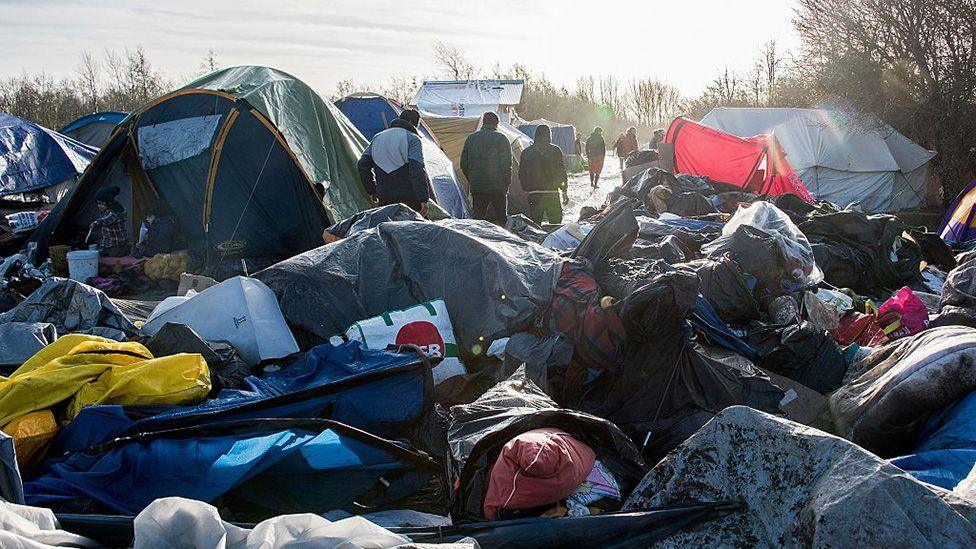
Jamal, 36 at the time, was said to have earned up to £100,000 a week by moving illegal immigrants across the channel. His trial in France revealed he operated from the Grand Synthe camp near Dunkirk, charging £4,500–£5,000 per crossing. He was known in camps as “Pasha”, a nickname meaning a high rank. He was described as a master of aliases, writing assumed names on his baseball cap to remember them.
The BBC investigation began after a tip that he was now in the UK. A camera crew watched him drive a car without a licence and use a fake name. The villagers in Blaby reported he was working, moving cigarettes and other items while claiming he had never been jailed in France. He denied smuggling, even when shown a 2016 courtroom photo of himself in a French jail sentence.
Jamal told reporters he was in the UK since 2009, had applied for asylum and was “still waiting”. He said he could not be restrained from working or driving, refusing to disclose his official name, only saying the Home Office knew it. He answered a question about driving a car without a licence with a casual “So what?”
Law enforcement officials across France, Germany and Belgium say 15 other convicted people smugglers are now in the UK. They claim these individuals use false identities to apply for asylum, a problem exacerbated by the loss of EU data sharing agreements after Brexit. Officially, asylum seekers are fingerprinted on arrival and checked against UK police databases, but these checks do not extend to criminal records from other countries.
The Home Office confirmed all asylum claimants undergo security and criminality checks, but said details of the process are not publicly disclosed. They noted that the UK is currently experiencing 83% growth in arrests for illegal work. The BBC’s investigation underscores the need for more robust cross‑border criminal record sharing to protect the integrity of asylum processing.