In brief
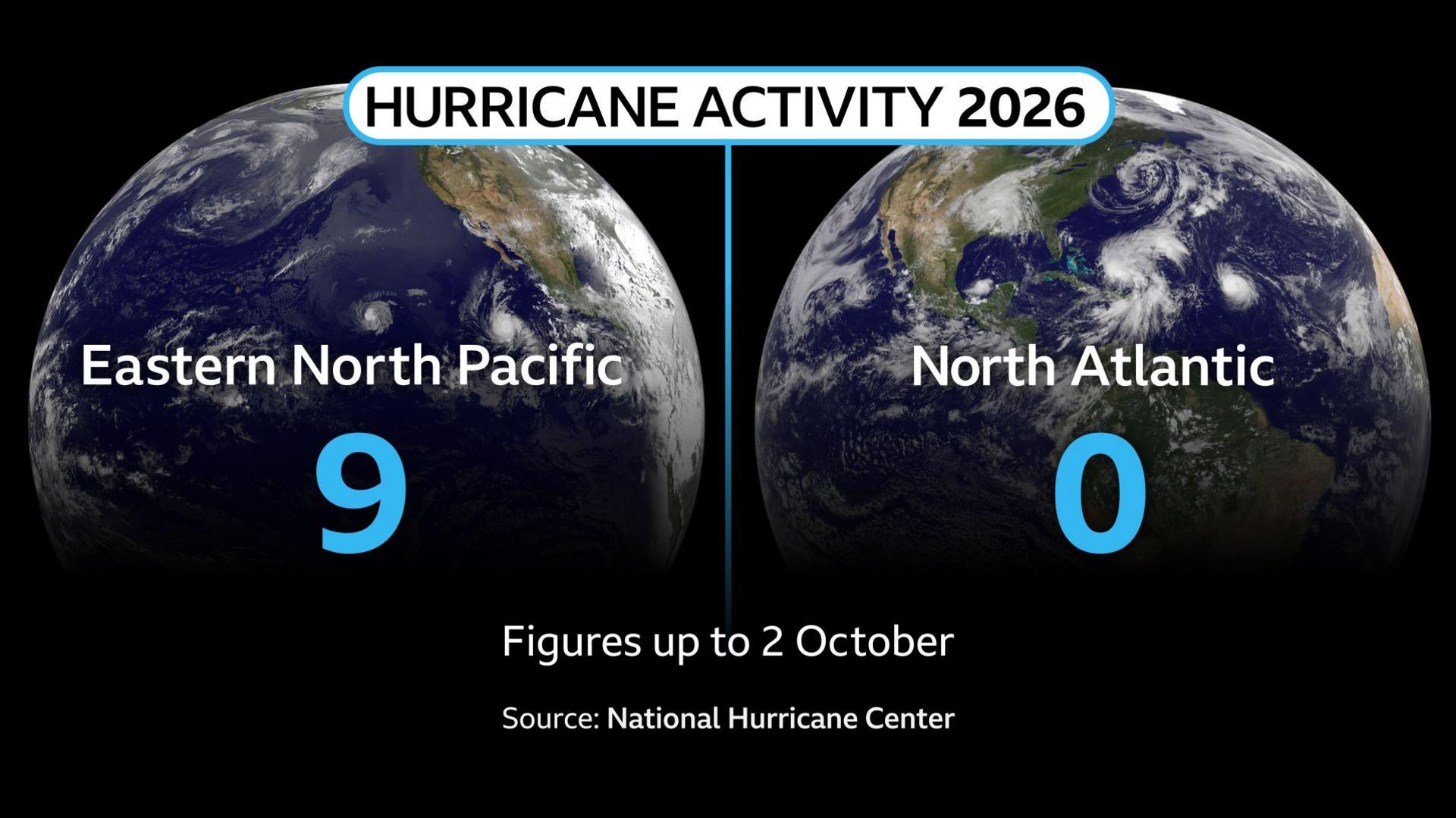
A quiet September means no Atlantic hurricane has formed for the first time in over 30 years, raising the chance that 2026 will be the only satellite‑era season without a single storm. The culprit is a strong El Niño, which heightens wind shear over the Atlantic and stifles tropical development, even as the Pacific warms into record‑breaking temperatures. Forecasts from the National Hurricane Center and Colorado State University predict fewer named storms and a low probability of major hurricanes as the season wanes. Meanwhile, the eastern North Pacific has already seen nine hurricanes, including seven major ones, making this year one of the most energetic Pacific seasons on record.
El Niño could keep the Atlantic eerily quiet – the strongest wind shear seen in decades means fewer storms can intensify. With zero hurricanes so far in September, only a handful of named storms remain, and the season could end without any Atlantic hurricane, the first satellite‑era quiet season.
The U.S. National Hurricane Center modeled a likely total of eight to fourteen named storms, with only three to six turning tropical storms into hurricanes, and one to three becoming major hurricanes. Colorado State University forecasters noted that a continuing El Niño may keep the Atlantic wind shear high for at least two weeks, keeping activity well below normal.
Meanwhile, the eastern North‑Pacific is heating into record levels. Since the start of the season, it has seen seventeen named storms and nine hurricanes, seven of which are major. Its accumulated cyclone energy is about 2½ times that of a normal year, reflecting the higher sea‑surface temperatures and favorable wind patterns brought by El Niño.
Experts say the El Niño will peak in November or December, potentially keeping the Atlantic calm for the rest of the year. If so, 2026 could become the only modern season to finish without a single Atlantic hurricane, a scenario not recorded since the pre‑satellite era of 1914.