In brief
Christa Pike, 50, was sentenced to death for a 1995 murder. She survived a failed lethal injection on September 30 and was taken to a hospital in critical condition. Her lawyers say she now walks with assistance, is eating and has regained arm movement, describing the recovery as a profound turnaround. The case is unprecedented and could lead to a lawsuit against the state. Tennessee Governor has paused executions and officials are preserving evidence from the failed attempt.
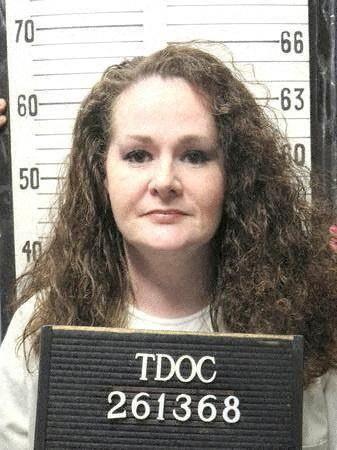
Christa Pike, 50, became the first person in the United States to survive a botched lethal injection, and her lawyers say the inmate has made a profound physical recovery.
On September 30 Pike was injected with two doses of pentobarbital at the Bristol State Prison, but the death squad failed to kill her. She was rushed to the hospital in a CPR‑like state, unable to move her arms and only able to breathe with assistance.
In a recent announcement her legal team described the survival as remarkable, noting that she can now walk with aid, eat solid food and has regained limited arm movement. They added that physicians greeted her progress as encouraging.
The event has placed the state in uncharted territory – an unprecedented case that could open the door to civil litigation. A Tennessee judge has ordered all evidence from the execution room be preserved, including IV lines, syringes, and waste material, in case the case returns to court.
Governor Bill Lee has halted all executions for the rest of the year and is seeking an answer to why the lethal injection failed. Pike’s lawyers are demanding a reduction to life in prison without parole, while supporters of the death penalty argue that another method should be used.
Beyond the legal fallout, Pike’s situation highlights the psychological toll on those who survive such an attempt. Her attorneys say she is grappling with trauma, still feeling fear and uncertainty, while showing concern for the victim’s family.