In brief
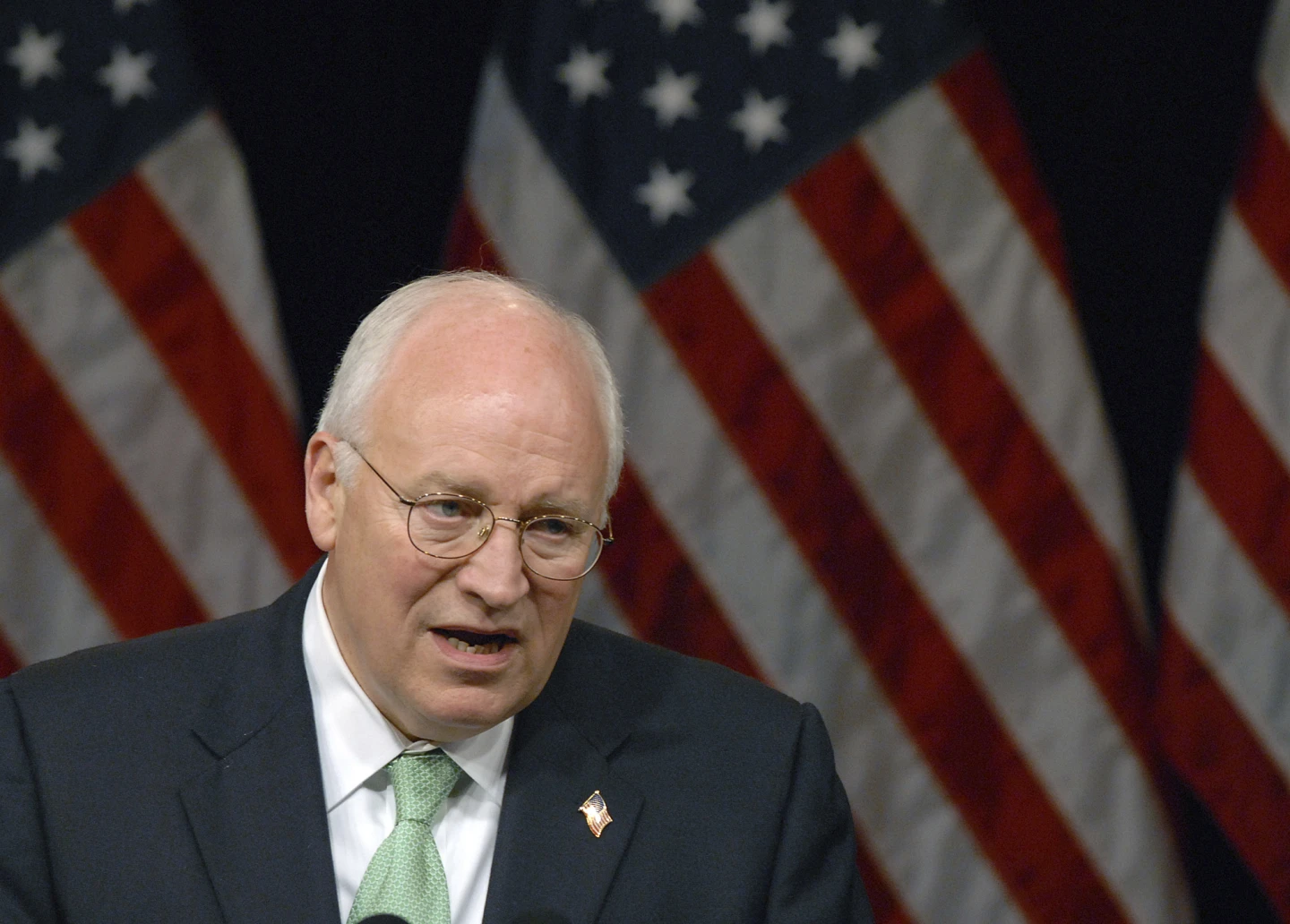
Dick Cheney, the influential and controversial figure in American politics who served as Vice President under George W. Bush and was a leading advocate for the Iraq invasion, has died at 84 years old. His family announced that he passed away due to complications from pneumonia and other health issues. Cheney's political career saw him hold several important roles, including Secretary of Defense and Congressman from Wyoming. Despite his polarizing legacy, he was a staunch defender of U.S. military actions post-9/11 and remained a significant voice in Republican politics until his final days.
WASHINGTON (AP) — Dick Cheney, the hard-charging conservative who became one of the most powerful and polarizing vice presidents in U.S. history and a leading advocate for the invasion of Iraq, has died at age 84.
Cheney died Monday night due to complications of pneumonia and cardiac and vascular disease, according to a statement from his family.
“For decades, Dick Cheney served our nation, including as White House Chief of Staff, Wyoming’s Congressman, Secretary of Defense, and Vice President of the United States,” the statement said. “Dick Cheney was a great and good man who taught his children and grandchildren to love our country, and to live lives of courage, honor, love, kindness, and fly fishing. We are grateful beyond measure for all Dick Cheney did for our country. And we are blessed beyond measure to have loved and been loved by this noble giant of a man.”
The quietly forceful Cheney served father and son presidents, leading the armed forces as defense chief during the Persian Gulf War under President George H.W. Bush before returning to public life as vice president under Bush’s son, George W. Bush.
Cheney was, in effect, the chief operating officer of the younger Bush’s presidency. His influence was felt in major policy decisions, particularly post-9/11 strategies and the controversial decision to invade Iraq. He consistently defended the extraordinary tools of surveillance, detention, and inquisition employed in response to the attacks.
Years after leaving office, he became a target of President Donald Trump, especially amid the political fallout from his daughter, Liz Cheney's, criticisms of Trump and his actions during the January 6 Capitol riots.
Throughout his storied career, Cheney maintained a reputation for hardline politics and secrecy, often described as a Machiavellian figure orchestrating a complex web of policies. His legacy remains a contentious topic in American political discourse, especially regarding the Iraq War, where he was proven wrong on numerous points, yet clung to his convictions.
Born in Lincoln, Nebraska, and raised in Wyoming, Cheney initially pursued a political career in the late 1960s. He held various positions, including Secretary of Defense and eventually the role of Vice President. Despite facing numerous health challenges, Cheney continued to engage in politics up until his passing, embodying the complexities of modern American conservatism.