European Union leaders begin two days of talks in Brussels with a momentous decision to be taken on whether to loan tens of billions of euros in frozen Russian assets to Ukraine to fund its military and economic needs. Most of Russia's €210bn (£185bn; $245bn) worth of assets in the EU are held by Belgium-based organisation Euroclear, and so far Belgium and some other members of the bloc have said they are opposed to using the cash. Without a boost in funding, Ukraine's finances are set to run dry in a matter of months.
One European government official described being cautiously optimistic, not overly optimistic that a deal would be agreed. Russia has warned the EU against using its money and has filed a lawsuit against Euroclear in a Moscow court in a bid to get its money back.
The Brussels summit comes at a pivotal moment. US President Donald Trump has said a deal to end the war, which began with Russia's full-scale invasion of Ukraine in February 2022, is closer now than we have been ever. Although Russia has not responded to the latest peace proposals, the Kremlin has stressed that plans for a European-led multinational force for Ukraine supported by the US would not be acceptable. President Vladimir Putin made his feelings towards Europe clear when he said the continent was in a state of total degradation and described Ukraine's European allies as European piglets hoping to profit from Russia's collapse.
The European Commission has proposed loaning Kyiv about €90bn (£79bn) over the next two years - out of the €210bn of Russian assets sitting in Europe. That amount would cover about two-thirds of the €137bn that Kyiv is thought to need to get through 2026 and 2027.
Until now, the EU has handed Ukraine the interest generated by the cash but not the cash itself. A Finnish government official emphasized the urgency of the situation, indicating that the funding is crucial for Ukraine's continued resistance. The Commission chief, Ursula von der Leyen, stated this funding would also increase the war's costs for Russia.
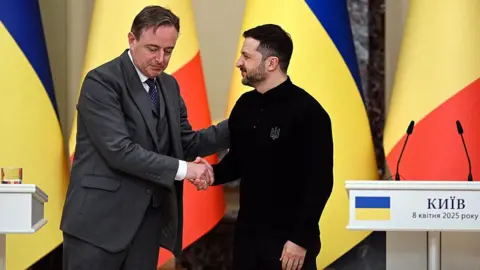
However, Belgium's position remains critical, as Prime Minister Bart De Wever and Defence Minister Theo Francken have expressed significant doubts about the legality and implications of loaning the euro cash. Hungary, under Prime Minister Viktor Orban, has also indicated it would block any financial assistance to Ukraine. With Ukrainian President Volodymyr Zelensky anticipated to attend the summit, the decision made in Brussels could have vital consequences for the ongoing conflict and the future of Ukraine's financial stability.
One European government official described being cautiously optimistic, not overly optimistic that a deal would be agreed. Russia has warned the EU against using its money and has filed a lawsuit against Euroclear in a Moscow court in a bid to get its money back.
The Brussels summit comes at a pivotal moment. US President Donald Trump has said a deal to end the war, which began with Russia's full-scale invasion of Ukraine in February 2022, is closer now than we have been ever. Although Russia has not responded to the latest peace proposals, the Kremlin has stressed that plans for a European-led multinational force for Ukraine supported by the US would not be acceptable. President Vladimir Putin made his feelings towards Europe clear when he said the continent was in a state of total degradation and described Ukraine's European allies as European piglets hoping to profit from Russia's collapse.
The European Commission has proposed loaning Kyiv about €90bn (£79bn) over the next two years - out of the €210bn of Russian assets sitting in Europe. That amount would cover about two-thirds of the €137bn that Kyiv is thought to need to get through 2026 and 2027.
Until now, the EU has handed Ukraine the interest generated by the cash but not the cash itself. A Finnish government official emphasized the urgency of the situation, indicating that the funding is crucial for Ukraine's continued resistance. The Commission chief, Ursula von der Leyen, stated this funding would also increase the war's costs for Russia.
However, Belgium's position remains critical, as Prime Minister Bart De Wever and Defence Minister Theo Francken have expressed significant doubts about the legality and implications of loaning the euro cash. Hungary, under Prime Minister Viktor Orban, has also indicated it would block any financial assistance to Ukraine. With Ukrainian President Volodymyr Zelensky anticipated to attend the summit, the decision made in Brussels could have vital consequences for the ongoing conflict and the future of Ukraine's financial stability.