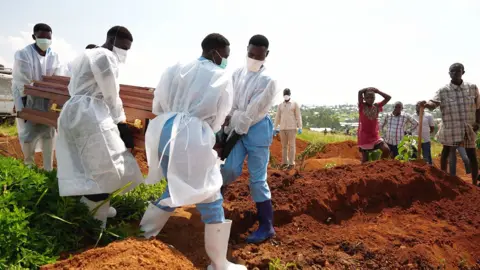
In the small city of Bunia in the east of the Democratic Republic of Congo, funeral rites have become a subtle dance between mourning and medical caution. The Nyamurongo cemetery is busier than usual as families pile onto graves, but the crowds are quiet. There is no singing, no dancing, no traditional washing of the dead; the mourners await the last necessary breath of the banned virus.
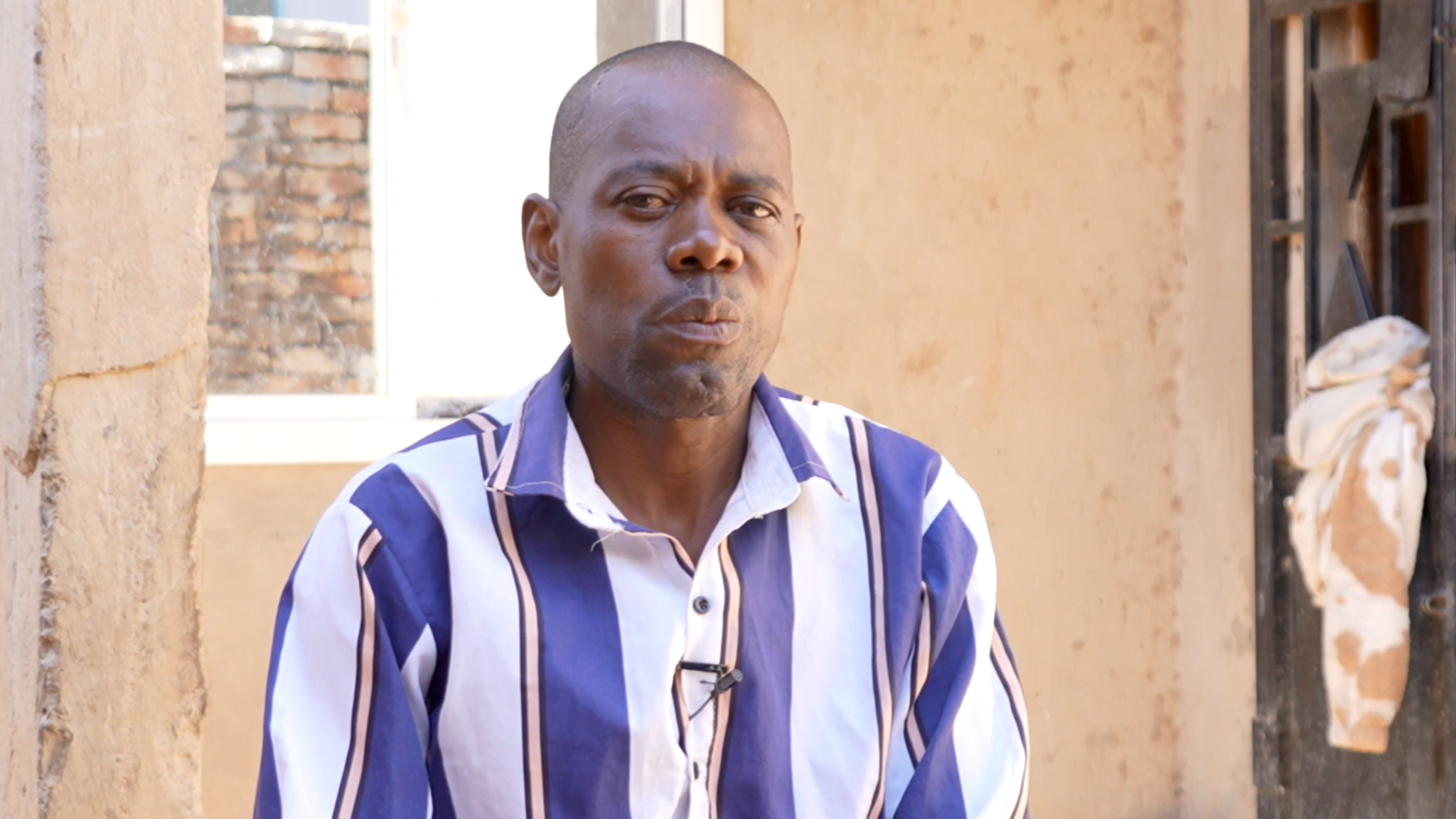
"Today I buried my father, yesterday I buried my mother," says Joel Makumbu, a local farmer who has been in the cemetery six times in the last week. He lost three sisters and a brother‑in‑law to the disease, and he insists that Ebola is real, a fact that the local authorities have struggled to prove amid persistent misinformation. The outbreak in Ituri province – mainly around the provincial capital Bunia – is caused by a rare strain of the virus, Bundibugyo, which claims a quarter of those infected.
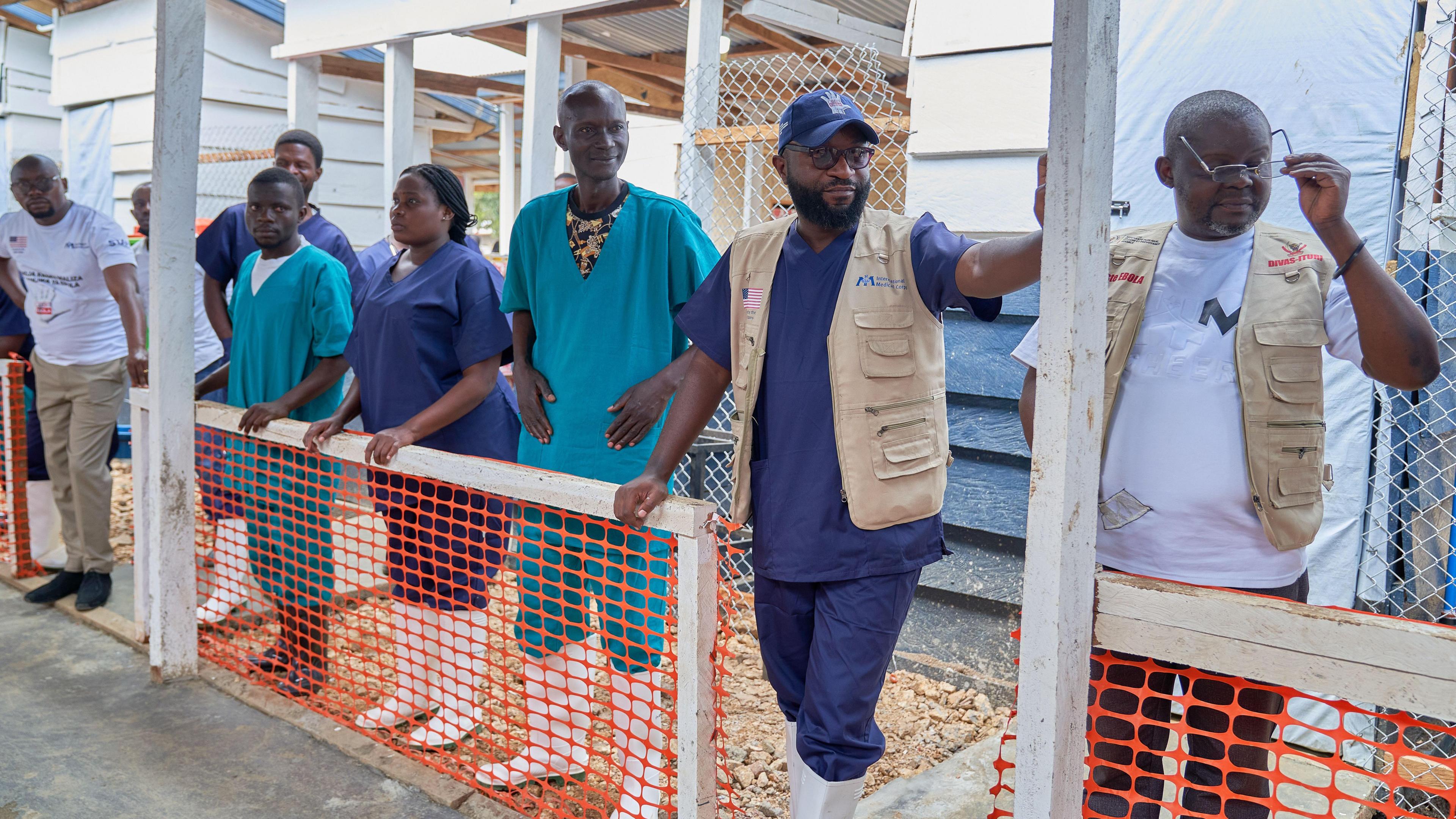
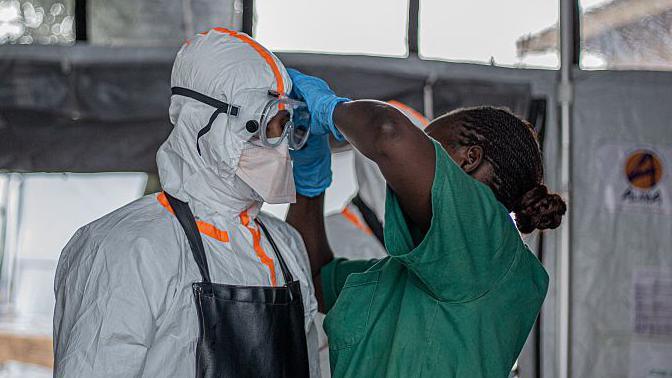
When a person dies from Ebola, a strict protocol begins. The corpse must be immediately placed in a leak‑proof bag. The IFRC (International Federation of Red Cross and Red Crescent) volunteers, wearing full personal protective equipment, collect the body and bring it to a tent that functions as a temporary morgue. There, health workers seal the coffin inside a body bag and then tuck it into a wooden coffin with transparent panels. The panels let mourners see the body without touching it, a concession the community has grown to accept after some negotiation.
WHO anthropologist Julienne Anoko explains that in Ituri people believe a dead person’s body should look its best, like a bride setting off on a journey. Under normal circumstances, families would dress the deceased in fine clothing, burn a candle and sing for days. For Ebola victims these rituals are swiftly replaced by safety measures – the body bag, the transparent coffin, and the required distance.
"We spend time listening to families, comforting them, and explaining how their ancestors foresaw these rules," Anoko says. She notes the delicate balance between respect and prevention, particularly when a pregnant woman who has died is involved." The community believes that a fetus must be removed from the corpse, but doing so requires close contact with bodily fluids, which can spread the virus. Anoko works hard to convince them that the body can be handled safely and respectfully.
An IFRC coordinator, Maria Munoz‑Bertrand, says the vans traversing Bunia run disinfected routes, and the volunteers keep a five‑minute wait ceremony before carrying the coffin.
The windows in the coffin and the clarified bag allow families to see signs such as a smile or expression of the deceased, which gives comfort without risking infection. These steps help families accept a new, safer burial ritual, and they also keep the community together during a difficult crisis.
With nearly 200 deaths reported in recent weeks, the people of Bunia feel the weight of grief and the necessity of the new protocols. While the battles against the virus continue, the community’s experience underlines the importance of combining public health procedures with cultural sensitivity.