
In brief
Over the last month Europe has seen a wave of sabotage incidents targeting military and defence sites, with Germany’s Leipzig airport as the first high‑profile hit. Polish, Italian, Bulgarian, Estonian and Slavic countries have reported fires and attacks that investigators suspect trace back to Russian operatives or proxies. Analysts say the attacks are a form of coercive signalling aimed at pressuring allies to cut support for Ukraine. While the incidents remain low‑scale, their concentration hints at a broader strategy that could prompt larger NATO actions if the pattern escalates. The role of “gig economy” saboteurs and the use of improvised incendiaries reveal a Cold War‑era toolbox adapted to contemporary conflict.
The Surge of Attacks
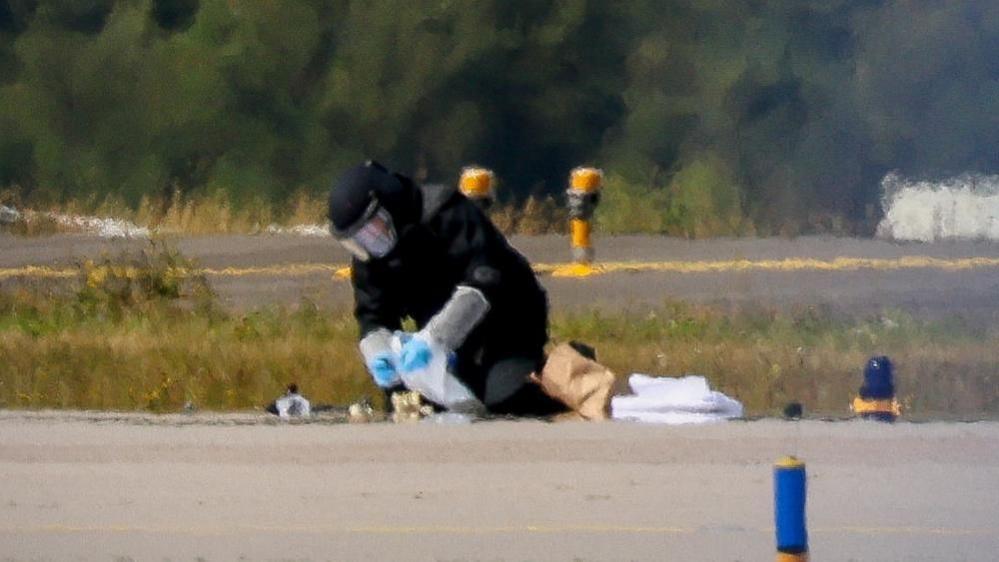
In August, European governments reported a spate of attacks on defence and military sites, ranging from a drone‑laden parcel found at Leipzig airport to fires in Bulgaria, Italy, Estonia, Slovakia, Poland and Germany. The incidents have raised alarm over a potential new phase in Russia’s strategy against West‑aligned states.
Germany’s interior minister immediately blamed Russia for the Leipzig drone incident, although Kremlin officials have dismissed the claim as absurd and demand evidence. In Poland, a masked attacker dumped incendiary devices on a drone producer and the prime minister described the act as “continuation of Russia’s escalatory activities.”
What Is Motivating These Attacks?
Experts argue the pattern signals a strategic shift: Russia is testing the limits of NATO’s defence cooperation by provoking small, deniable attacks that could be escalated if allies cut aid to Ukraine. Some examine the moves as coercive signalling intended to deter continued weapons supplies to Kyiv.
Other analysts link the surge to a pressure response—Ukraine’s strike in deep Russian territory and Russia’s need to counterbalance Western advantage. The IISS has noted a similar spike in 2024 when allies began using Western weapons within Russia more widely.
Who Are the Saboteurs?
Reports indicate that “gig‑economy” saboteurs, usually Russian-speaking nationals from former Soviet states, are recruited online and paid for attacks. In some cases, there is evidence of professional involvement, suggesting precision is desired. The use of improvised incendiaries means the incidents can appear accidental, masking the real motive.
The Risk of Escalation
The concentration of attacks could push NATO toward a decisive response. If a parcel bomb or a drone were to explode with a larger envelope of impact, the decision to act would move from policy to concrete measures. Today’s swift chain of incidents underscores the hidden tensions simmering across Europe as Russia probes the limits of defence systems, while the West pushes back to keep support flowing to Ukraine.