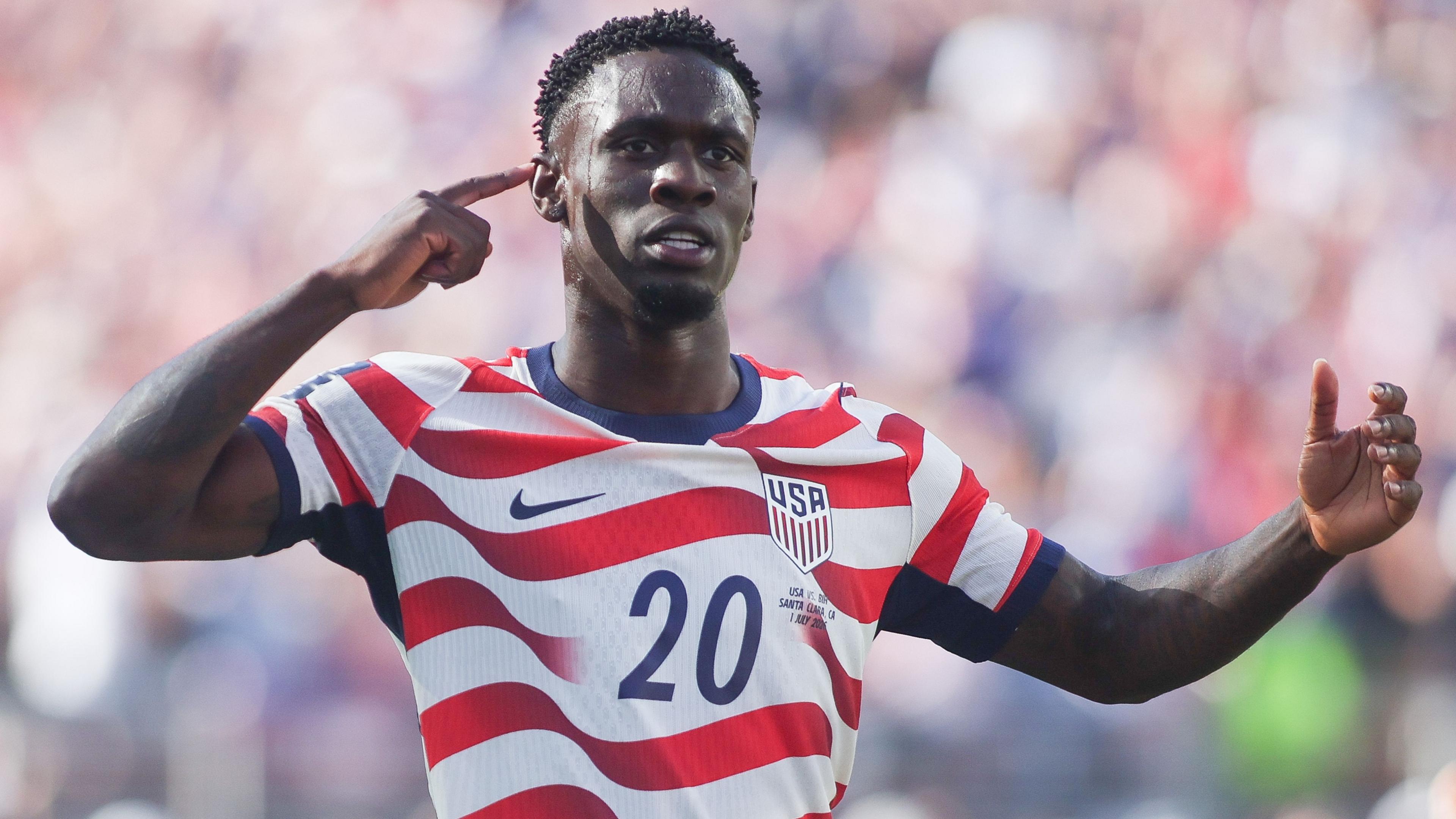
During the first round of the 2026 World Cup, United States striker Folarin Balogun was shown a straight red card after a challenge on Bosnia‑Herzegovina defender Tarik Muharemovic in the 64th minute of a 2‑0 win.
According to FIFA’s disciplinary code, the red should have triggered a one‑match suspension for the next game. However, on Thursday the governing body announced that the ban would be suspended for a one‑year probationary period, granting Balogun eligibility for the United States’ upcoming last‑16 tie against Belgium.
Belgium’s Royal Football Association expressed surprise at the decision, describing it as a “direct contradiction” of the rules that had been published for the tournament and stating it would explore all possible remedies.
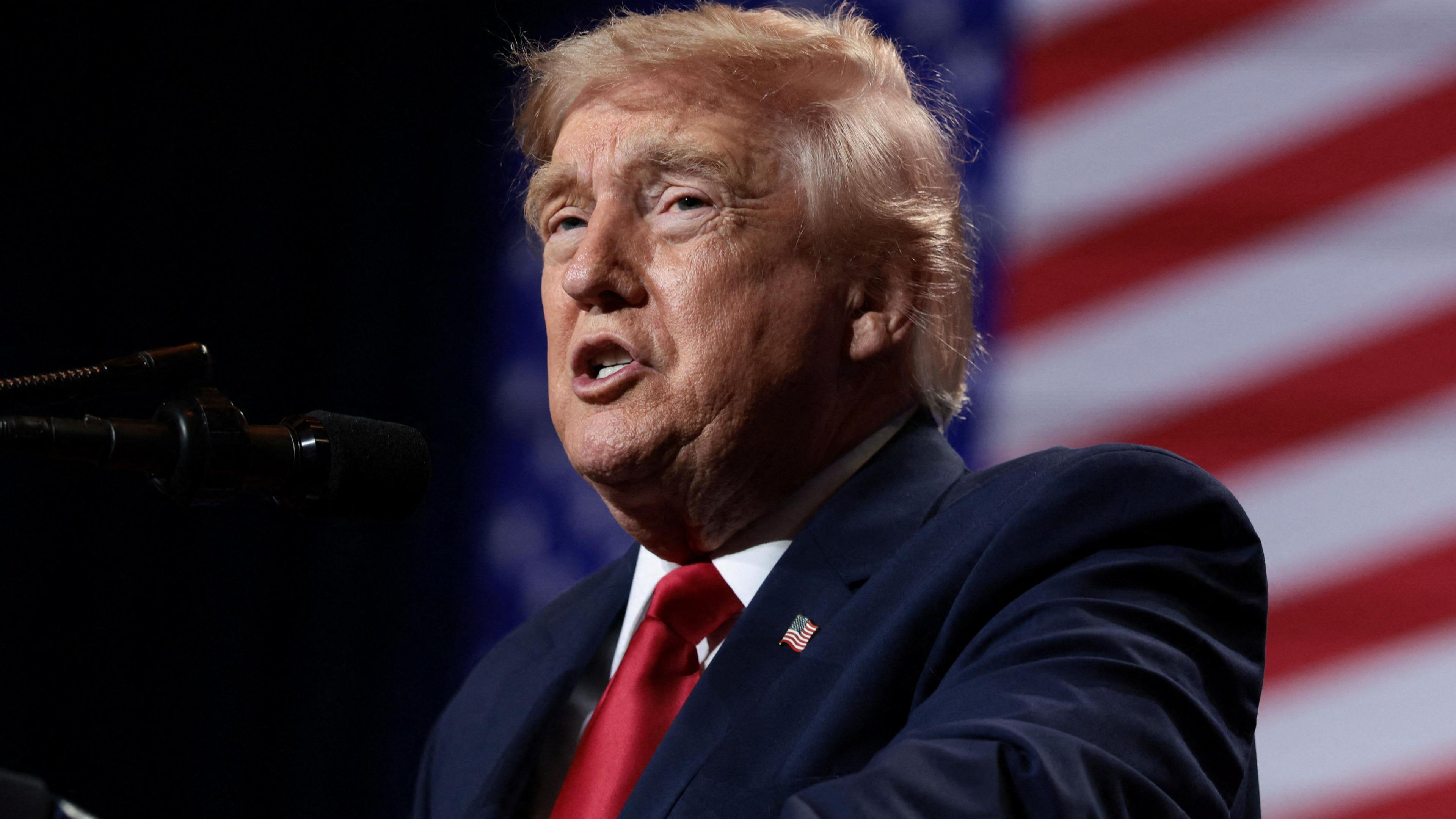
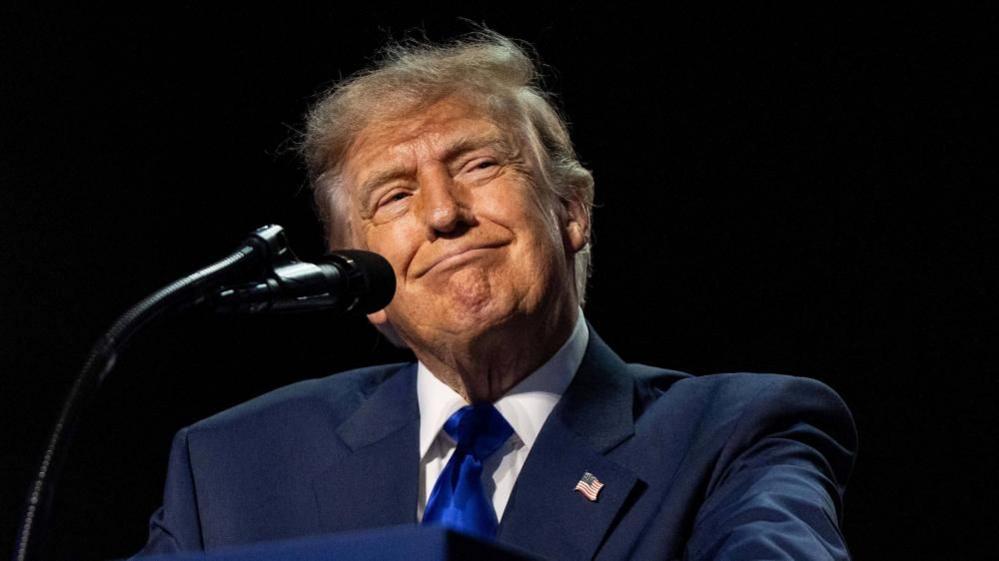
The ruling has already attracted political attention. U.S. President Donald Trump posted on Truth Social, thanking FIFA for “reversing a great injustice.” U.S. Secretary of State Marco Rubio also called for a review of the decision, remarking that “there needs to be an appeal process for that.”
Other players have faced similar controversies; Brazilian forward Christian Pulisic praised the move, noting “Just a big smile on his face and all of ours.” FIFA has previously suspended bans for earlier incidents, such as Cristiano Ronaldo’s three‑match penalty after a qualifying red card for Portugal.
The incident raises questions about FIFA’s decision‑making process, especially given the lack of an appeal mechanism at the World Cup and the perceived influence of political figures. Analysts are now asking how the ruling came about and whether it reflects a broader pattern of governance and international relations.