
In brief
With the average price of gas rising dramatically due to geopolitical tensions, many drivers are seeking cheaper options at tribal gas stations across the United States. The exemption from state fuel taxes allows tribes to sell gasoline at lower prices than their competitors, making these stations increasingly popular for cost-conscious consumers. Not only do these stations provide savings, but they also contribute to tribal communities by funding essential services.
FORT COLLINS, Colo. (AP) — As prices for gas soar across the United States, many drivers are discovering the savings to be found at tribal gas stations, particularly in regions like California, New Mexico, New York, Oklahoma, and Washington. Junelle Lewis, a Seattle-area resident, recently traveled nearly half an hour to the Tulalip Reservation to fill up her Chevrolet Suburban at a price of $4.84 a gallon, significantly lower than prices closer to home. Gas is ridiculous, but I find this station to consistently be cheaper than others, Lewis shared.
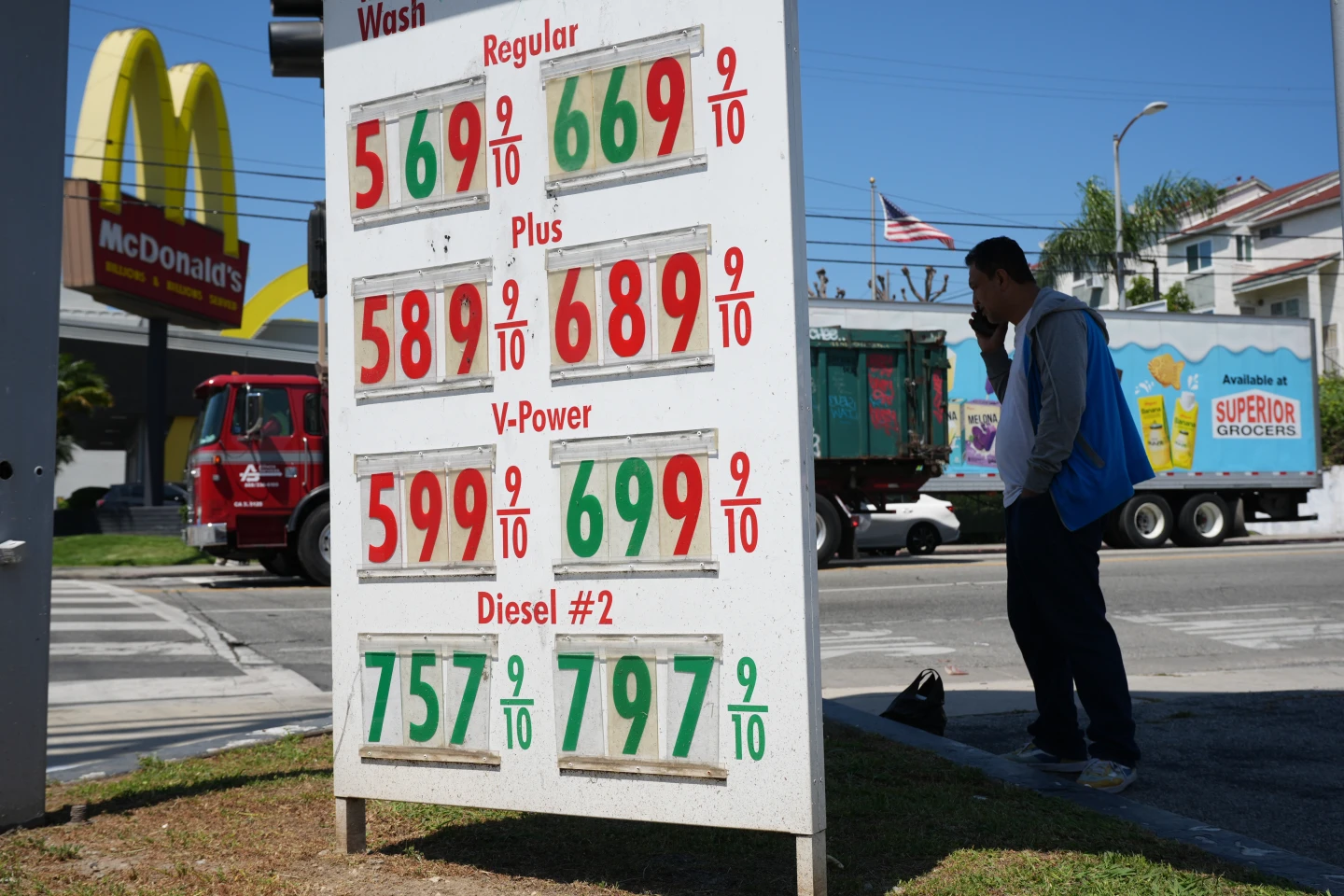
The current average gasoline price throughout the country has skyrocketed by more than a dollar since the Iran war commenced in February, ultimately reaching around $4.15 per gallon according to AAA. States are experiencing varying gas tax rates, but Native American tribes are mostly exempt from these, allowing them to sell fuel at lower prices compared to nearby stations.
How Tribal Land Fuel Stations Save Consumers Money
Consumers are increasingly utilizing apps like Gas Buddy to find the cheapest gas available. Such apps have made it easier than ever for drivers to locate tribal gas stations, which benefit from tax exemptions that include state fuel taxes. Many states impose gasoline taxes that range from 9 cents per gallon in Alaska to as high as 71 cents in California.
Notably, there are around 500 tribally owned convenience stores with gas stations across the United States, with California having the highest concentration. Several tribes utilize these stations not only as fuel sources but also as convenient access points for food and household supplies, contributing to the economic vitality of tribal lands.
Community Benefits from Fuel Sales
Gasoline sales are just one aspect of how tribes support their communities. For example, the Tulalip Tribes Federal Corporation invests its rising gas sales back into the reservation, funding critical services like healthcare, education, and infrastructure. According to CEO Tanya Burns, ensuring that these essential services are available is crucial to the tribes' mission.
While rising gas prices are burdensome for many, the savings seen at tribal stations exemplify a financial lifeline for customers like Jamie Cross from New Mexico, who reports finding gas as low as $3.79 on the Mescalero Apache Reservation.
Though prices may still be high, the ability to save at tribal stations has garnered their popularity, making them attractive options for drivers across the nation facing inflated fuel costs.