
In brief
In October 2026, students marching nationwide for better school funding and infrastructure set dozens of fires and blockaded over a thousand lycées. Fires in Nantes and Rouen, caused by lit bins, scorched entrance halls, while staff in Marseille were sprayed with petrol. The police arrested 1,949 students and wounded 305 officers, prompting Prime Minister Sébastien Lecornu to convene a crisis meeting. Political leaders from both left and right cited the demonstrations as a major factor ahead of the looming general election, with calls for new anti‑riot laws. The unrest also halted public transport in Marseille and Strasbourg, illustrating the far‑reaching impact on daily life.
Students across France, demanding better funding, facilities and staffing, have taken to the streets and blockaded more than a thousand lycées. Protesters have blocked school entrances, set fire‑lit bins that later flared, and attacked infrastructure at high schools in Nantes, Rouen, Marseille and other cities.
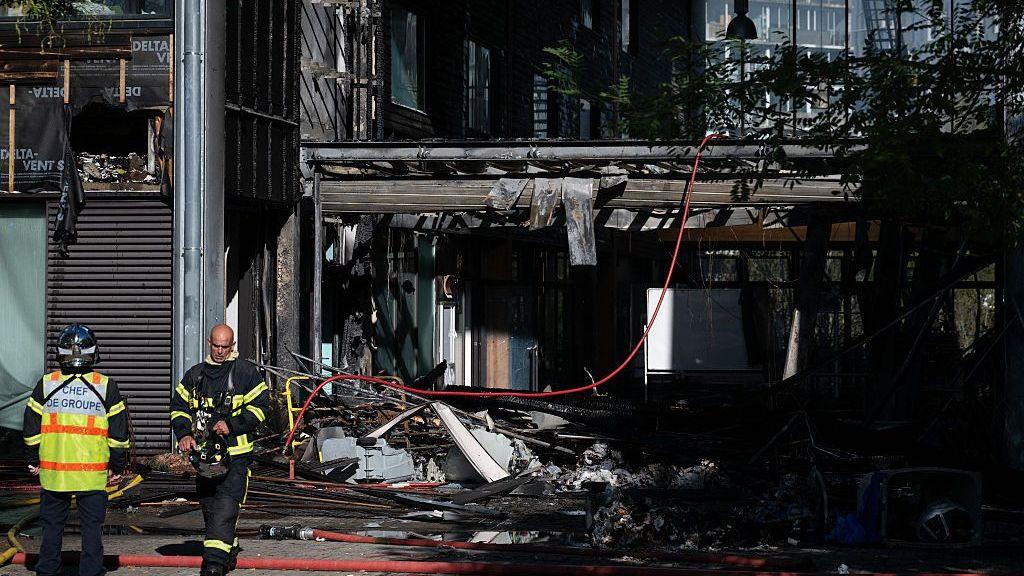
Photo evidence shows the Nelson Mandela High School in Nantes, where a bin set alight spread flames into the front entrance hall, and a picture captured the aftermath as firefighters fought the blaze.
Police reports count 1,949 student arrests and 305 injured officers on the day of the most intense demonstrations. The interior ministry described the protests as having “descended into urban violence”. Prime Minister Sébastien Lecornu convened a ministerial crisis meeting to discuss the escalating situation.
Political leaders have sharply divided over the unrest. Left‑wing parties accuse the National Rally of inciting violence, while the latter blames the demonstrations for stirring disorder and urges new riot‑control legislation. The protests have also led to halted public transportation in Marseille and Strasbourg, complicating daily commutes.
For students, the problem stretches beyond flame‑scarred buildings. A seventeen‑year‑old from Strasbourg highlighted leaking ceilings, a broken cafeteria, and a lack of toilets in his school, underlining the fight over tangible conditions that have triggered these confrontations.