In brief
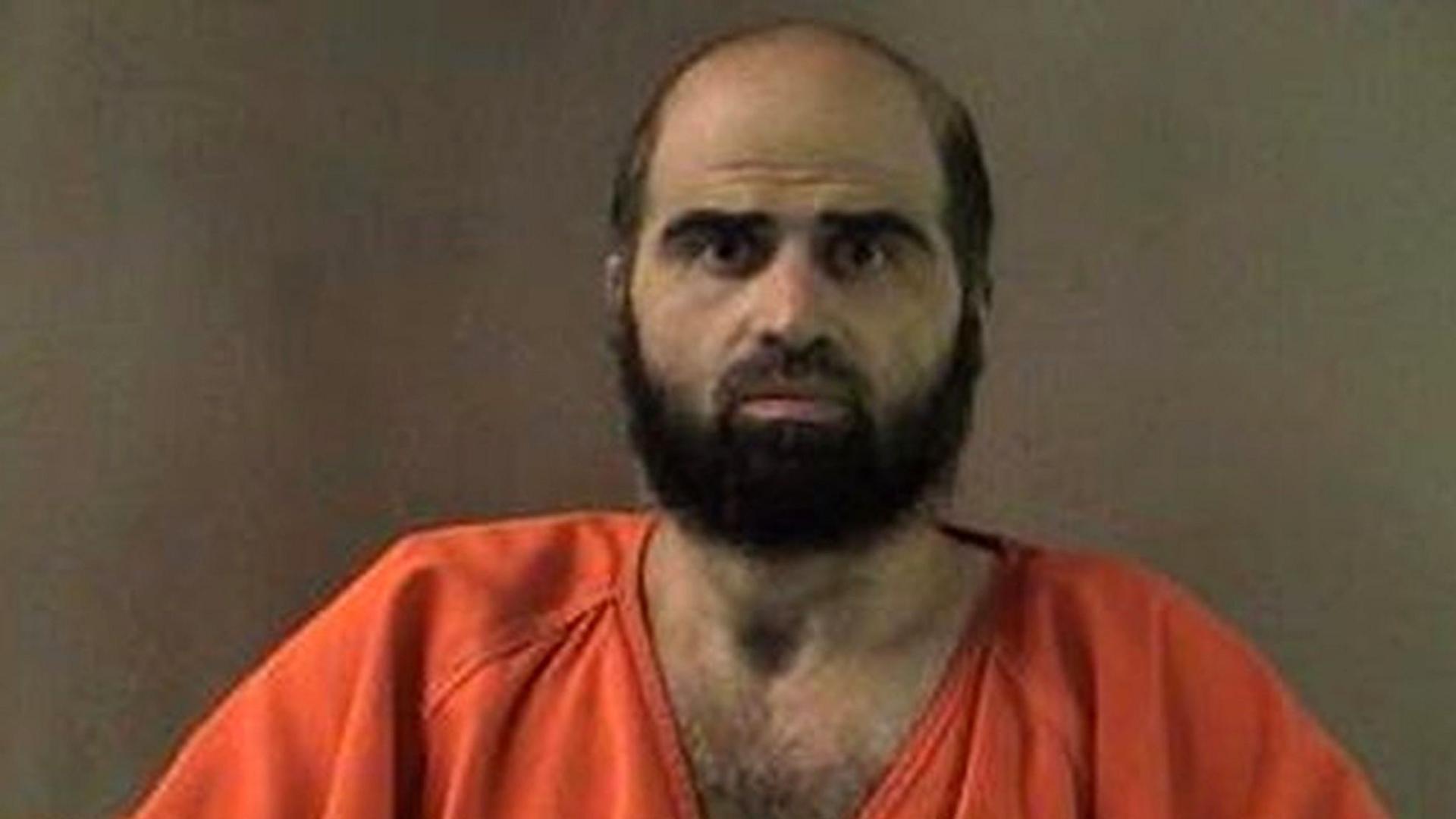
On 7 November 2009, U.S. Army psychiatrist Nidal Hasan shot 13 unarmed soldiers in a Texas hospital, killing them and ending a life scarred nearly twenty years later. Alonzo Lunsford, who walked away after being shot seven times, says a firing squad is a fitting punishment for Hasan but is uneasy about a livestream that would broadcast the execution to the public. The Pentagon’s announcement of a live broadcast—potentially the first U.S. public execution in six decades—has drawn sharp criticism from lawmakers and human‑rights experts. Amid calls for transparency, survivors like Lunsford argue the viewing experience must be guarded against spectacle and used only to heal, not to celebrate.
On 7 November 2009, U.S. Army psychiatrist Nidal Hasan opened fire in a Texas medical building, killing 13 unarmed soldiers. Alonzo Lunsford, a former sergeant who was shot seven times and survived, now confronts the possibility of his attacker’s execution in front of a live audience.
A survivor’s support for a harsh punishment
“The method is befitting,” Lunsford told radio host Mike Marlow. He believes a firing squad is a more appropriate form of capital punishment than lethal injection, saying the latter would be “doing him a favour.” Lunsford’s stance echoes the intent of the Pentagon’s command to carry out the execution by a traditional military means.
Livestream concerns
While backing the execution, Lunsford voiced deep reservations about a broadcast that would show the event in “real time.” He explained he does not agree that the public should see the execution “for entertainment purposes” and worries it could send a dangerous message to younger viewers. “People should be able to look at it,” he cautioned, “but that is not why I would want the world watching.”
Context and opposition
The Pentagon’s decision to allow a livestream—if it proceeds—would mark the first publicly televised execution in the U.S. in tracks of a century. Legal observers point to potential unconstitutional hurdles that could halt the broadcast. Senators Chris Murphy and Thom Tillis expressed mixed reactions, with Murphy calling the idea “disgusting” and Tillis comparing it to “oppressive dictators.”
Writing in the same interview, Lunsford said he has forgiven Hasan, stating, “I cannot heal if I don’t forgive him.” He is, however, determined that the execution should serve justice, not spectacle. “I want him to look at me in my eyes and I want him to know: ‘Dude you failed, I’m still here,’” he said.
Key facts at a glance
- Fort Hood shooting—13 soldiers killed, 1 wounded.
- Hasan: Army psychiatrist, 2009.
- Potential execution: firing squad, possibly livestreamed.
- Survivor Alonzo Lunsford: 7 shots, survived.
- Controversy: execution method vs. public broadcast.
Lunsford’s testimony brings a unique survivor’s perspective into a debate that balances justice, transparency, and the ethics of public punishment. Whether the live feed is cut off or not, the conversation it sparks will resonate beyond Fort Hood’s borders, touching on law, morality, and the role of public opinion in execution protocols.