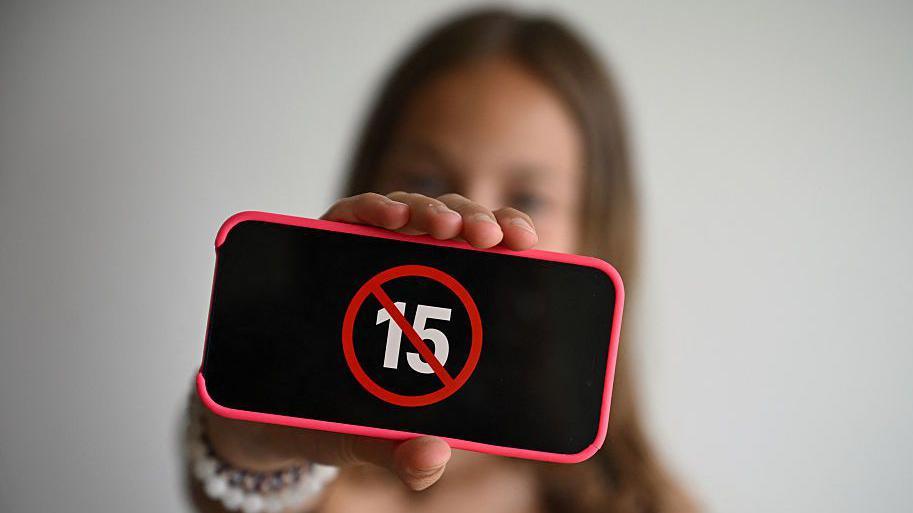
France’s parliament has approved a law that will bar children under 15 from creating or using social media accounts from 2027. The law positions France as the first European nation to enforce such a block and aims to safeguard children’s mental health.
The ruling came after both houses of parliament voted to adopt the ban on Tuesday, despite opposition from some left‑leaning lawmakers. President Emmanuel Macron, who pledged the policy at the start of his tenure, welcomed the step as a finish line to a decade of governance.
Implementation will occur in two phases: from September, under‑15s will be blocked from opening new accounts and all account creations will require verified age; in January 2027, even existing accounts will have to prove eligibility. Platforms must use age‑verification tools approved by France’s privacy regulator.
Critics challenge the law’s practicality, citing privacy risks, possibility of circumventing checks, and the likelihood that children will shift to unregulated digital spaces. The Australian experience, launched a year earlier, showed many under‑16s continued to have access, prompting scholars to warn that the ban may not achieve technical success even if it signals a broader change in attitude.
The decree occurs amid a European wave of similar proposals: the UK plans a ban on under‑16s and a curfew for 16‑and‑17‑year‑olds, while the European Commission has floated a “social media delay” for children. France’s approach adds another layer of mandatory age checks across the continent, underscoring a growing push to address the mental‑health toll of ubiquitous online platforms on young people.