In brief
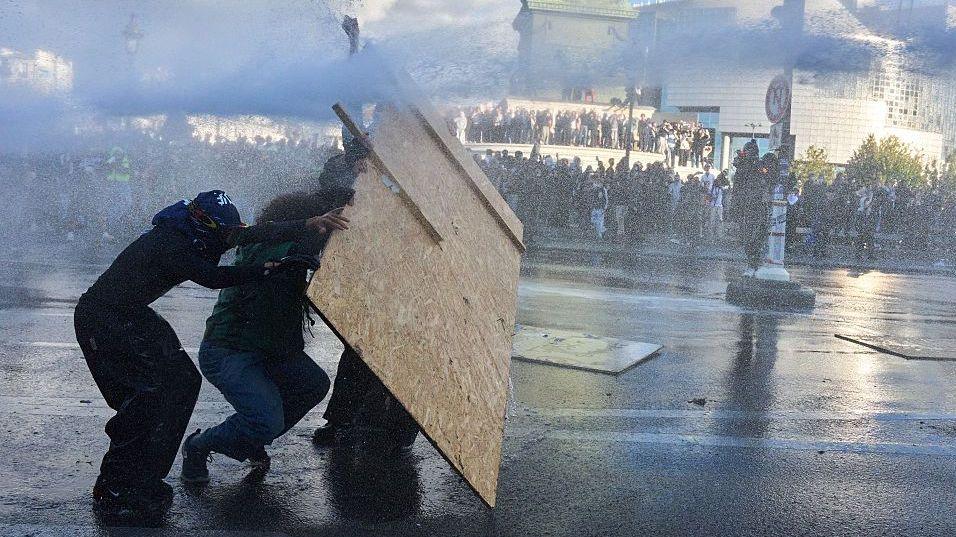
The French education ministry has pledged to position 3,000 additional substitute teachers across the country, a first material concession during ongoing protests. Students, demanding more resources, have staged large demonstrations with the support of teachers and unions, while police have used tear gas and water cannons. The offer follows repeated claims that teacher shortages and lost hours have crippled secondary education, especially in high‑immigration suburbs. Skeptical student leaders say the move is insufficient without a sizeable budget increase, while politicians from both ends of the spectrum criticize the government's willingness to concede to violent actions. The protests are part of a broader surge of social tension as France faces rising prices, a potential green‑energy transition and upcoming presidential elections.
In a televised interview, Education Minister Edouard Geffray announced the placement of 3,000 new supply teachers over the coming days as a response to widespread teacher shortages that have stoked student unrest.
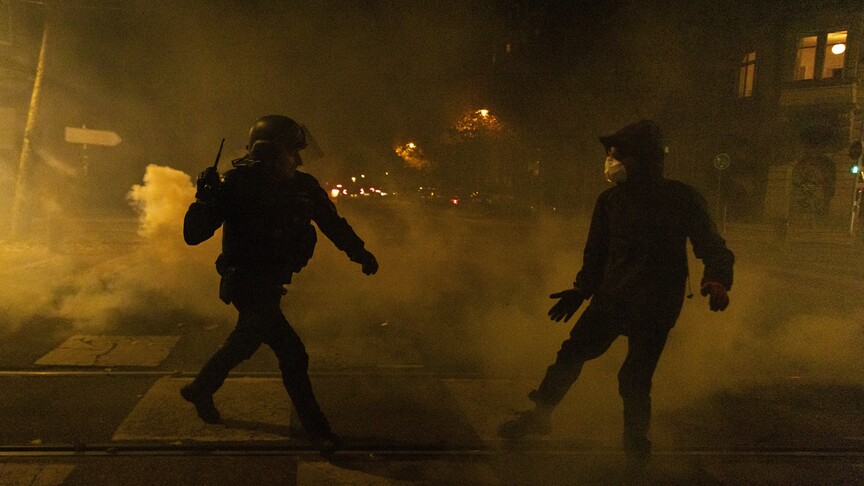
The promise follows a week‑long march of 71,000 demonstrators, including 24,000 at the Bastille, calling for greater resources in secondary schools. Police fired tear gas to break up clashes, and several high‑schools were ransacked or had staff attacked.
The ministry said a new software system will identify the 500 or so lycées most in need, many located in high‑immigration suburbs, and direct substitute teachers accordingly. It also noted that overtime pay for teachers willing to fill gaps will be increased.
Despite the offer, student leaders remain cautious. “We need concrete money, not just words,” said Nathanaël Combary, spokesperson for Renouveau Lycéen. “If €10 billion won’t be on the table we will keep pressing.”
Sabrine Kharbach of the Union Etudiante echoed these sentiments, warning that the protests would continue until substantive financial plans are presented.
The French president, Jean-Luc Mélenchon, praised the demonstrations as a reclaiming of civic space, while hard‑right politicians condemned the violence. A National Rally spokesman warned that “violence leads to concessions,” framing the unrest as dangerous political manipulation.
The protests come amid rising fuel prices, farming distress, and an upcoming national election. Authorities hope that short reminders of school holidays and cooler weather will dampen further action, though students have called another day of protest for next Tuesday.
()This article is contributed by Hugh Schofield in Paris.