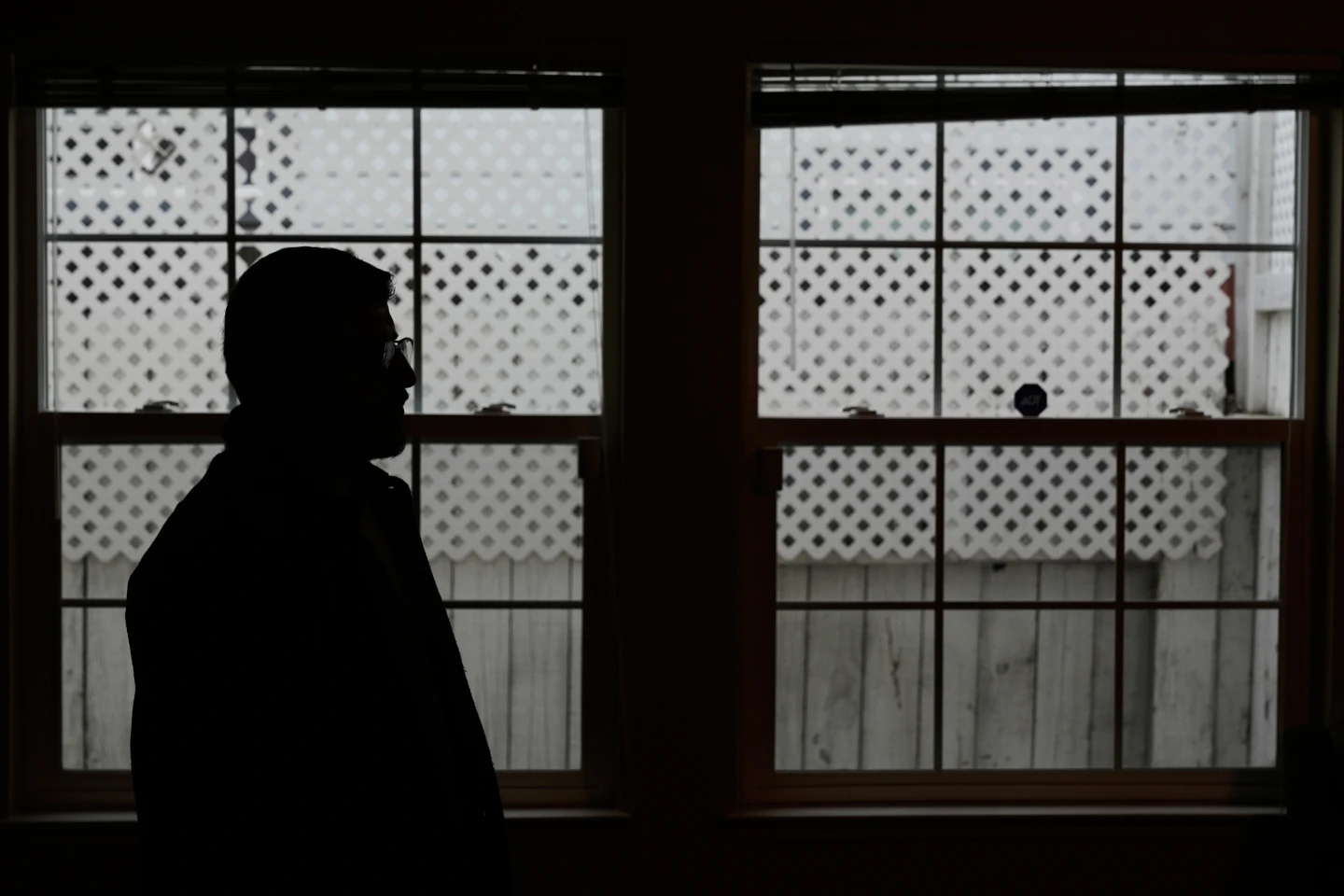
SACRAMENTO, Calif. (AP) — On a recent afternoon, Giselle Garcia, a volunteer assisting an Afghan family with resettlement, drove the father to his check-in appointment with U.S. Immigration and Customs Enforcement (ICE). During the drive, she warned him and his family to brace for potential repercussions.
Tragically, upon entering the ICE office, the father was immediately taken into custody.
This incident follows the shooting of two National Guard members by an Afghan national, which has prompted federal authorities to intensify their crackdown on Afghan immigrants. Immigration lawyers report a rise in arrests across the U.S., particularly in areas with large Afghan communities such as Sacramento.
Garcia described the anxiety felt by the family: “He was trying to be strong for his wife and kids in the car, but the anxiety and fear were palpable,” she noted. The family had fled Afghanistan due to threats from the Taliban, as the wife’s father had worked with the U.S. military.
Rampant Arrests Following Legislature Shift
Since the November 26 incident involving the National Guard, the Associated Press has tracked about two dozen arrests of Afghan immigrants, primarily in Northern California. Volunteers monitoring ICE activities reported witnessing at least nine arrests last week, with many detainees having previously sought asylum at the U.S.-Mexico border.
Most of these individuals were brought to the country under Operation Allies Welcome, initiated by the Biden administration in response to the chaotic withdrawal from Afghanistan. However, White House spokesperson Karoline Leavitt recently stated that the current administration is actively re-evaluating the status of Afghan nationals granted entry during Biden’s presidency.
“We have been working diligently to identify and arrest known or suspected terrorists,” said Tricia McLaughlin, a spokesperson for the Department of Homeland Security.
Collective Punishment Over Individual Actions
Many advocates criticize the actions taken by the U.S. government, claiming they equate to collective punishment for the Afghan population, most of whom risked their lives supporting U.S. military efforts. Many community leaders are calling for a more nuanced approach that considers the sacrifices made by thousands to help American forces.
As arrests continue, Afghan families and community advocates report growing fear and confusion. Garcia described the distressing scene from outside the ICE office: “I was screaming his rights through the wall so he could hear me, ‘Remain silent! Please don’t sign anything!’” With heavy hearts, families are left wondering what the future will hold amidst heightened enforcement and rising tensions.