
In brief
India’s toy‑market example shows tariffs can curb imports, yet the rest of the economy remains tied to China. China’s surplus, global overcapacity and cheapness drive its products to India, pushing the trade deficit to $112bn in 2026. New normalisation talks may ease tensions, but firms still struggle with Chinese market access. Long‑term solutions need stronger manufacturing, local sourcing and balanced investment, while India’s policy must curb dependence on Chinese inputs and deepen Delhi–Pei cooperation.
India’s imports of Chinese goods are climbing, inflating a trade deficit that swung from $44 bn in 2020 to $112 bn this year.
Tightening tariffs on toys cut imports by a third and lifted local exports, showing that regulatory measures can swing demand, but other sectors are still locked into China’s supply chain.
Chinese factories surplus on steel, solar and battery components finds an eager Indian market, where manufacturers move fast to industrialise and compete globally.
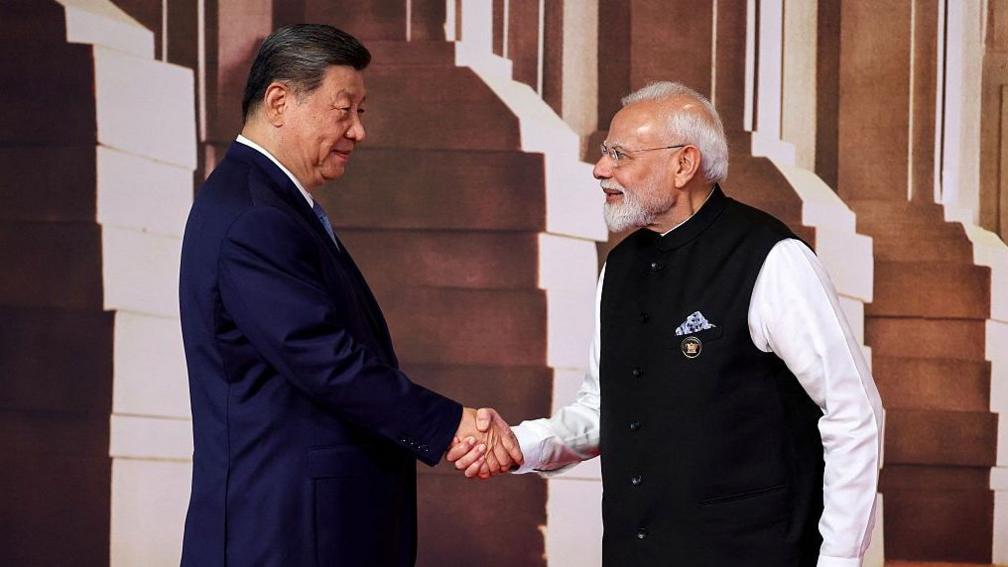
At the 18th BRICS summit, Modi and Xi pledged to tackle structural trade imbalances. Yet analysts warn that without new market‑access guarantees, India’s reliance on Chinese inputs will keep growing.
Long‑term fixes point to building resilient supply chains, boosting domestic production of critical components, and steering foreign‑direct‑investment rules towards technology transfer.