Three days of public mourning in Tehran for its slain Supreme Leader ended with a major political spectacle that the men now in charge wanted the world to see.
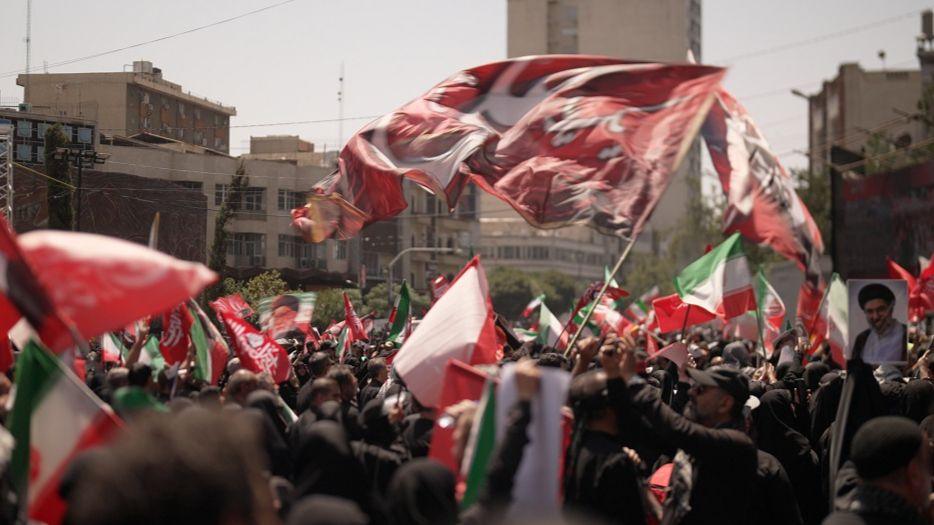
The hulking funeral cortège carried the coffins of Ayatollah Ali Khamenei and four family members on a 10‑km route, slowed and often stopped by millions of mourners in one of the largest public gatherings in many years.
In a week of funeral events, Monday’s march was the most significant in carefully choreographed ceremonies steeped in political messaging of resistance and revenge.
Many citizens stayed away, hurt by two wars in less than a year, inflation spiralling at around 80%, and the pain of January’s anti‑government protests. Some blame Khamenei – who was also commander‑in‑chief – for the security crackdown that killed many thousands.
Mourners stacked the streets with flags painted in the colour of Iran’s flag and with Arabic Islamic script, while slogans such as “death to America” and “death to Israel” echoed through the crowd. The message was clear: Iran is sending a warning to the United States and its allies.
Iranian officials insisted that the funeral proceedings were designed to frame him as more than a national leader but a transcendent religious and political figure whose authority extended across the Muslim world, especially Shia Islam.
The ceremony completed with a final burial on Thursday at the Imam Reza Shrine in Mashhad, the holy city where the ayatollah was born. Alongside the solemn rites, the government released a statement that the funeral was a farewell, yet also an “act of defiance” aimed at its enemies.