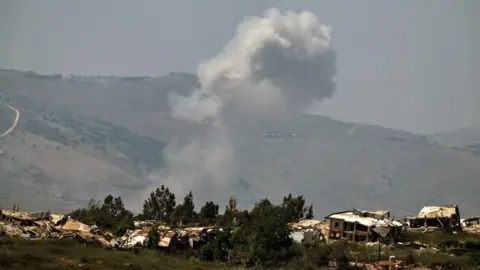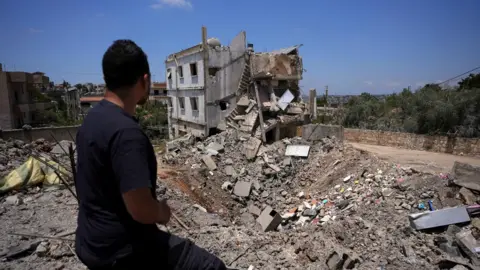
As news of the ceasefire spread through Israel's northern communities, sirens blared three times this evening warning of incoming rockets from Lebanon.
In the sky above the northern city of Nahariya, Israel's air defence interceptors shot up to block them, triggering loud explosions. Ambulance crews said at least three people were wounded by shrapnel in the hours before the ceasefire took effect, including two seriously.
On the ground here – and across the country – there's scepticism about why Israel's leader has signed up to the truce.
I feel like the government lied to us, said Gal, a student in Nahariya. They promised that this time it would end differently, but it seems like we're once again heading toward a ceasefire agreement that solves nothing.
Despite fears of continued hostilities, many in Israel doubt the effectiveness of this ceasefire, with some questioning the ability of the Lebanese government to manage Hezbollah effectively.
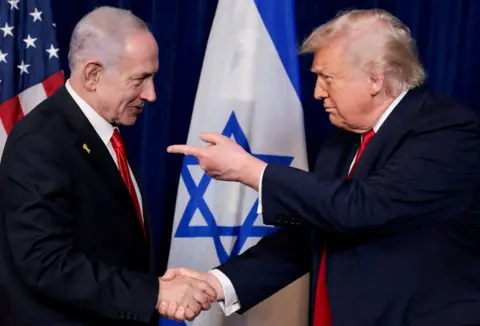
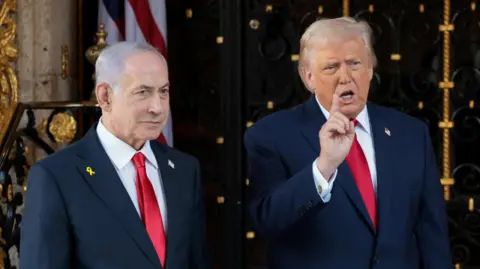
Israel has five army divisions in southern Lebanon, and only yesterday its chief army spokesman stated they would continue advancing. This ceasefire announcement reportedly took Israel by surprise, even within the government's own security cabinet, suggesting that Prime Minister Benjamin Netanyahu was pressured into this decision by U.S. demands.
As citizens express disbelief about the ceasefire, questions loom about the long-term ramifications and the alignment of Israeli defense interests with U.S. foreign policy objectives.
Former IDF Chief of staff, Gadi Eisenkot, criticized the trend of ceasefires being imposed upon Israel, emphasizing the need for negotiations that reflect its national interests rather than external pressures.