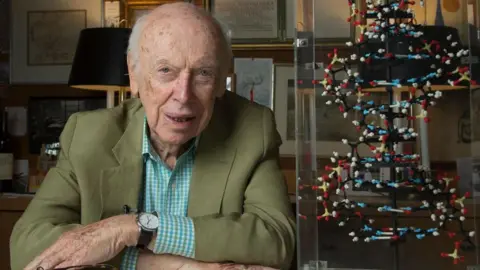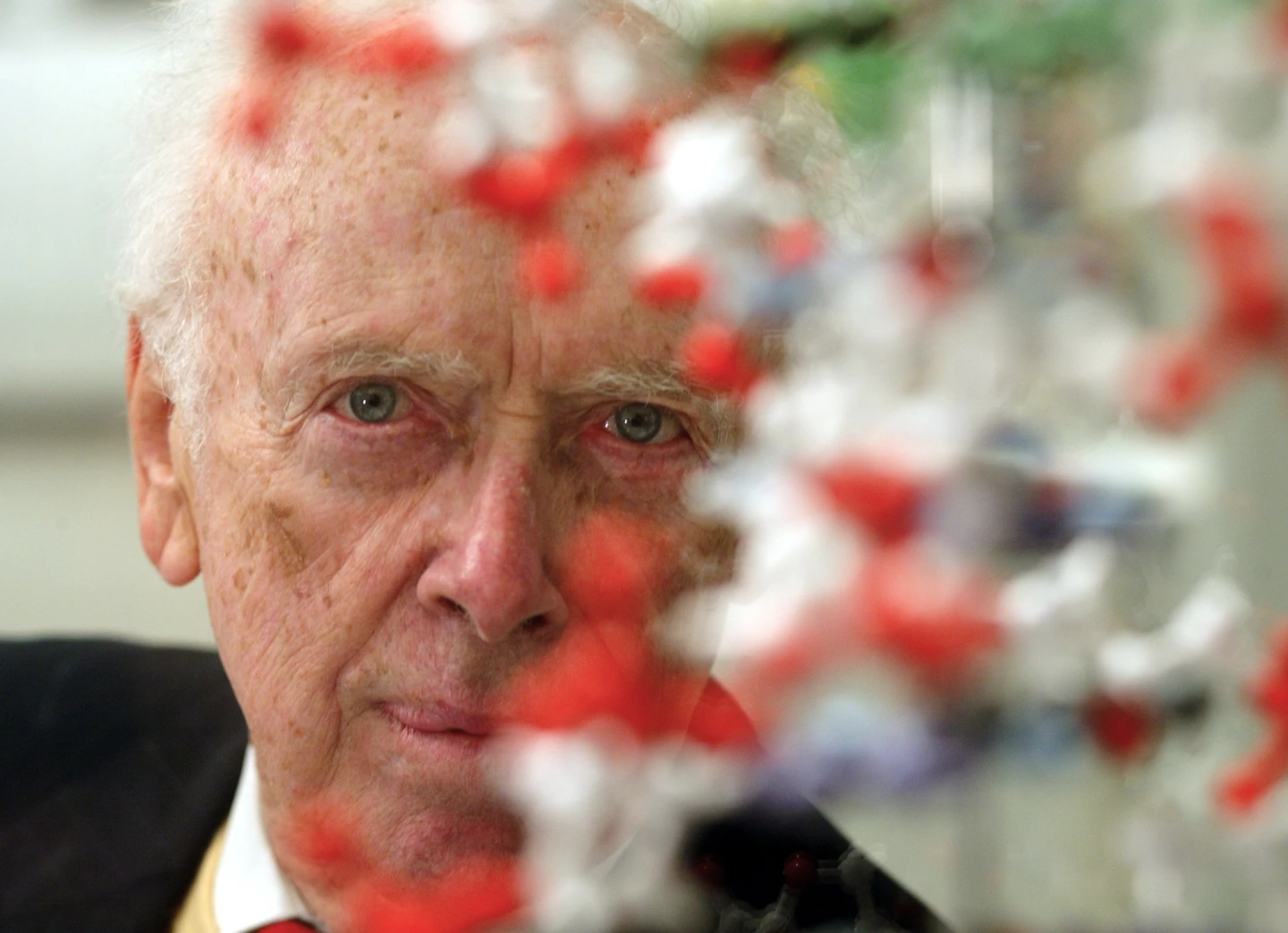
James D. Watson, whose co-discovery of the twisted-ladder structure of DNA in 1953 helped light the long fuse on a revolution in medicine, crimefighting, genealogy and ethics, has died. He was 97.
The groundbreaking discovery made when Watson was just 24 turned him into a lauded figure in the scientific community for decades. However, by the end of his life, he faced backlash and professional censure for various controversial remarks, including claims about racial differences in intelligence.
Sharing the 1962 Nobel Prize with Francis Crick and Maurice Wilkins, Watson's work revealed that DNA is structured as a double helix, with two strands coiling together. This discovery had profound implications, demonstrating how hereditary information is stored and how cells duplicate their DNA during division.
The double helix has since transcended the realm of science, becoming a widely recognized symbol of genetics, often appearing in art and culture. Watson once remarked on the unexpected and vast impact of their discovery, stating, There was no way we could have foreseen the explosive impact of the double helix on science and society.
Throughout his life, Watson contributed to various advancements in research, including the mapping of the human genome, where his commitment was fueled by personal motives. His son, Rufus, faced health challenges that propelled Watson to seek understanding through genetics.
Despite his scientific brilliance, Watson's later years were overshadowed by controversial remarks regarding race. His statements drew condemnation, resulting in his suspension from positions of prestige and a tarnished legacy in the eyes of many in the scientific community.
Following a brief illness, Watson died in hospice care, as confirmed by his family. His son spoke of Watson's relentless fight for those suffering from diseases, reflecting on both the complex nature of his contributions to science and his strident declarations on social issues.
Watson's passing marks the end of an era for a scientist whose journey encapsulated both monumental achievements and significant controversy, raising ongoing discussions about the intersection of science, ethics, and societal values.