In brief
A mistrial was announced in the Lindsay Clancy murder case after a week of deliberations that ended in a deadlock. The judge, citing that the jury could not unanimously find Clancy guilty beyond reasonable doubt, dismissed the panel and left the case open to further action by prosecutors. The trial, which has attracted national attention and a comment from President Donald Trump, involved allegations that Clancy killed her three children while suffering from postpartum psychosis. A hearing scheduled for September 29 will determine whether a new trial will be convened. The ruling leaves the defendant in custody and the criminal case in limbo.
Warning: This story contains distressing details and discussion of attempted suicide.
A Massachusetts judge has formally declared a mistrial in the murder case against Lindsay Clancy after a jury of twelve could not agree on a verdict following more than 40 hours of deliberation over seven days.
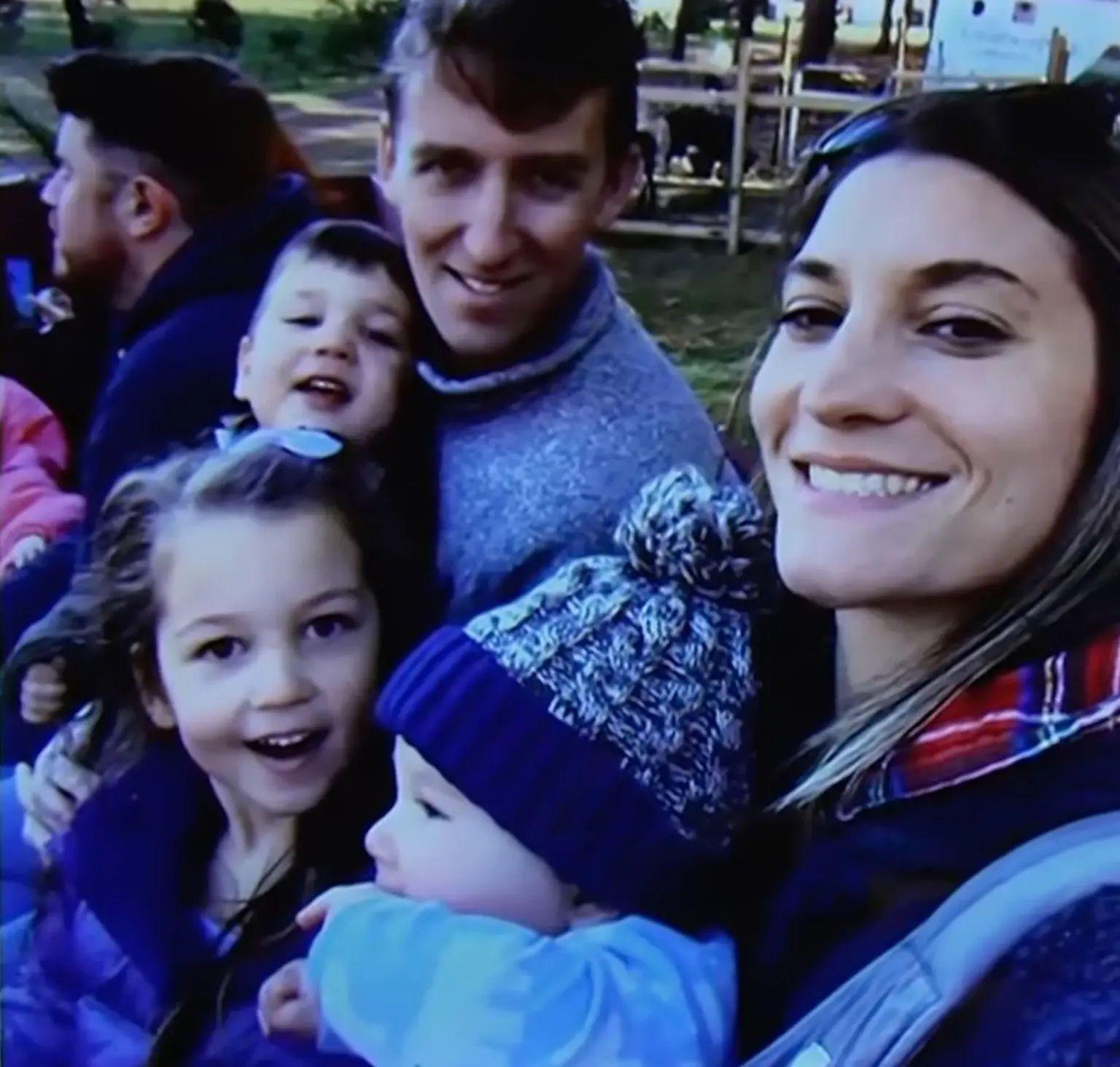
Clancy, a 36‑year‑old former nurse, was charged with the strangulation of her three children, aged five, three and eight months, in their Plymouth, Massachusetts home. She had attempted suicide by cutting herself and jumping from a second‑story window; her injuries left her partially paralyzed.
During the trial, the defense claimed that Clancy was suffering from postpartum psychosis, arguing that she was not fully in control of her actions. The prosecution, however, maintained that the evidence indicated she acted deliberately and with intent.
The judge announced that the jury was deadlocked and consequently declared a mistrial. A hearing is scheduled for September 29, when prosecutors may decide whether to pursue a new trial, offer a plea deal, or otherwise resolve the case.
Despite the court’s silence on the specific positions of the jurors, media reports suggest that eleven of the twelve had asked for a verdict in Clancy’s favor had the lone holdout not remained. The case has captivated the public, with live streams and a crowd outside the courthouse, and attracted remarks from President Trump, who called it a "horrible tragedy".
The death of the children and the high‑profile nature of the trial have sparked broader discussion of postpartum mental health and the legal system’s handling of such disorders. The case will continue to be closely watched as the judge’s decision sets the stage for whichever next action prosecutors choose to pursue.