Keiko Fujimori declared winner of Peru’s presidential election weeks after the vote
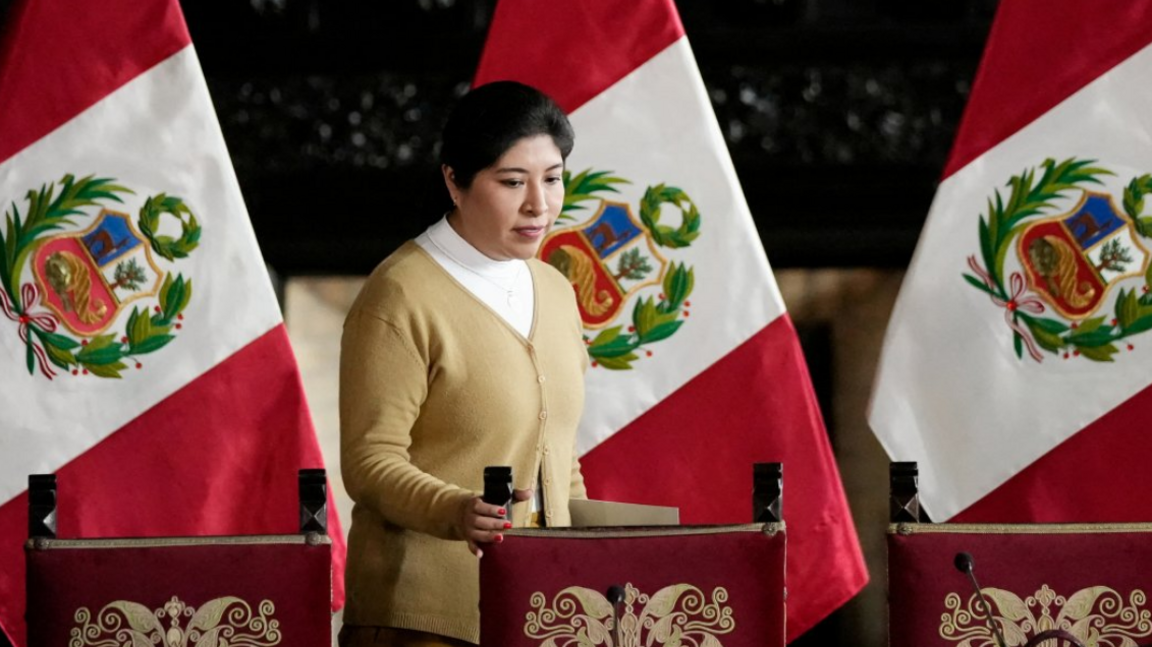
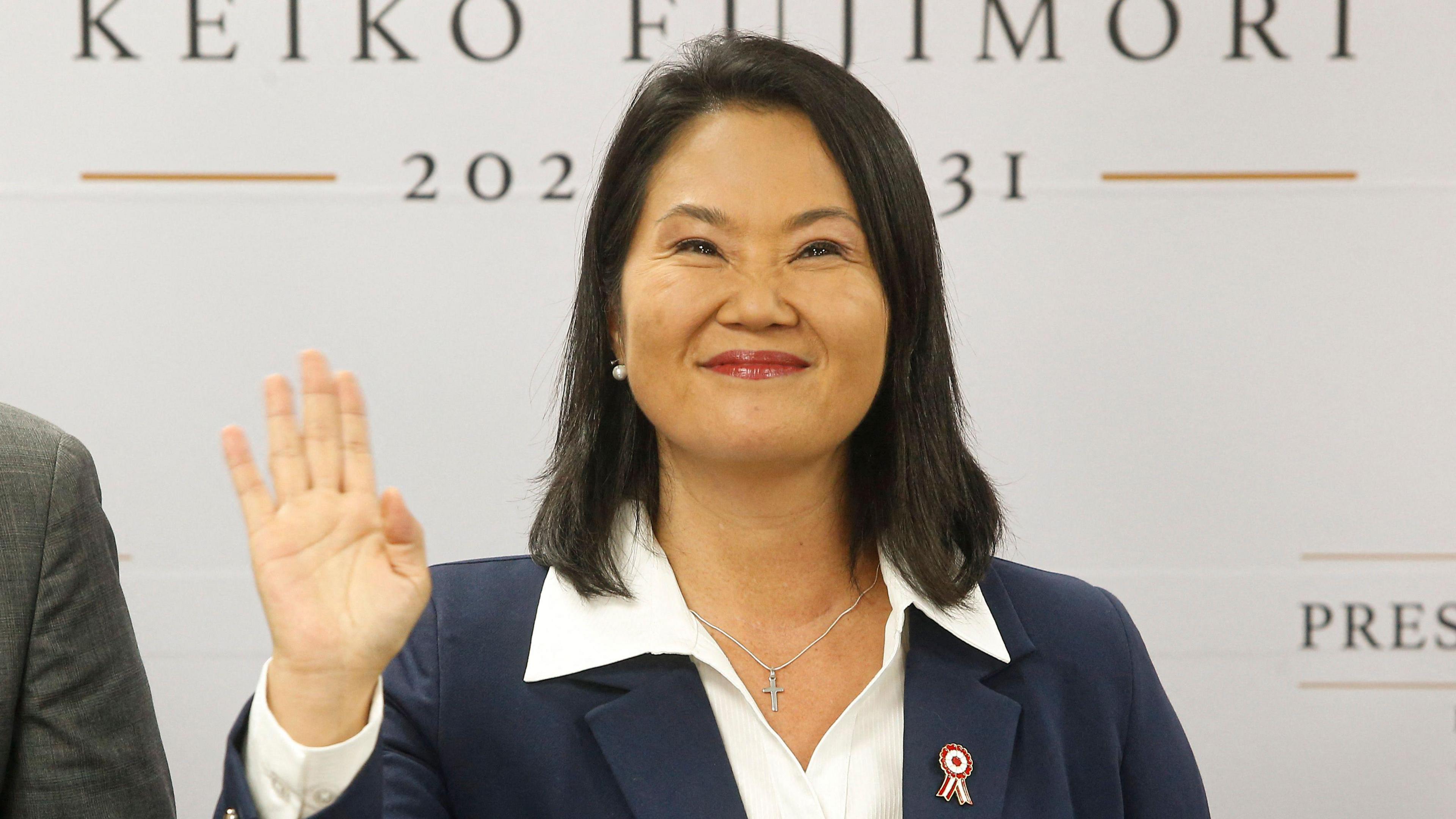
The 51‑year‑old right‑wing candidate won a resounding 50.135% of the vote in the 7 June runoff, marginally surpassing left‑wing contender Roberto Sánchez’s 49.865%. The narrowly decided result, verified by Peru’s electoral court, concluded after a month of counting and certification.
Fujimori, the daughter of the controversially jailed former president Alberto Fujimori, has run for the presidency four times—first in 2011, then 2016 and 2021—each campaign ending in a similarly tight margin. She promises a military crackdown on organised crime and a pull‑in of private investment to drive growth.
In her inaugural statement at her headquarters in Lima’s San Borja district, Fujimori reaffirmed that the new administration would act with "responsibility, humility and a deep sense of duty" and urged concerted listening and dialogue during the transition period. The narrow mandate, however, elicited scrutiny from Sánchez, who had accused the process of being compromised and threatened legal action over alleged irregularities.
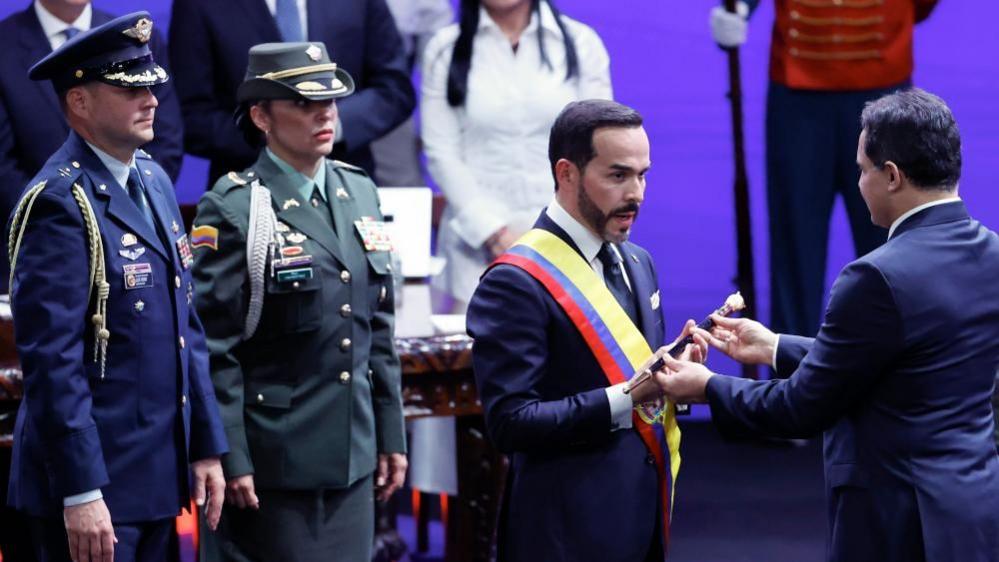
While Sánchez advocates broad economic reforms, Fujimori’s campaign focused on political stability and security, reflecting fears of extortion and insurgency that have surged in recent years. The election also aligns with a growing trend of right‑leaning leaders in Latin America, as Colombia’s newly elected president Abelardo de la Espriella secured a similar razor‑thin victory on a promise to curb crime.
Following the declaration, Sánchez’s party lodged an appeal against the judicial declaration, demanding nullification of the vote result. The presidential swearing‑in is scheduled for 28 July, when Fujimori will become the ninth leader of Peru in the last decade.
Fujimori’s ascension comes as a reinforcement of right‑wing dominance across the region, placing her beside leaders such as El Salvador’s Nayib Bukele and Ecuador’s Daniel Noboa, who share similar security agendas.