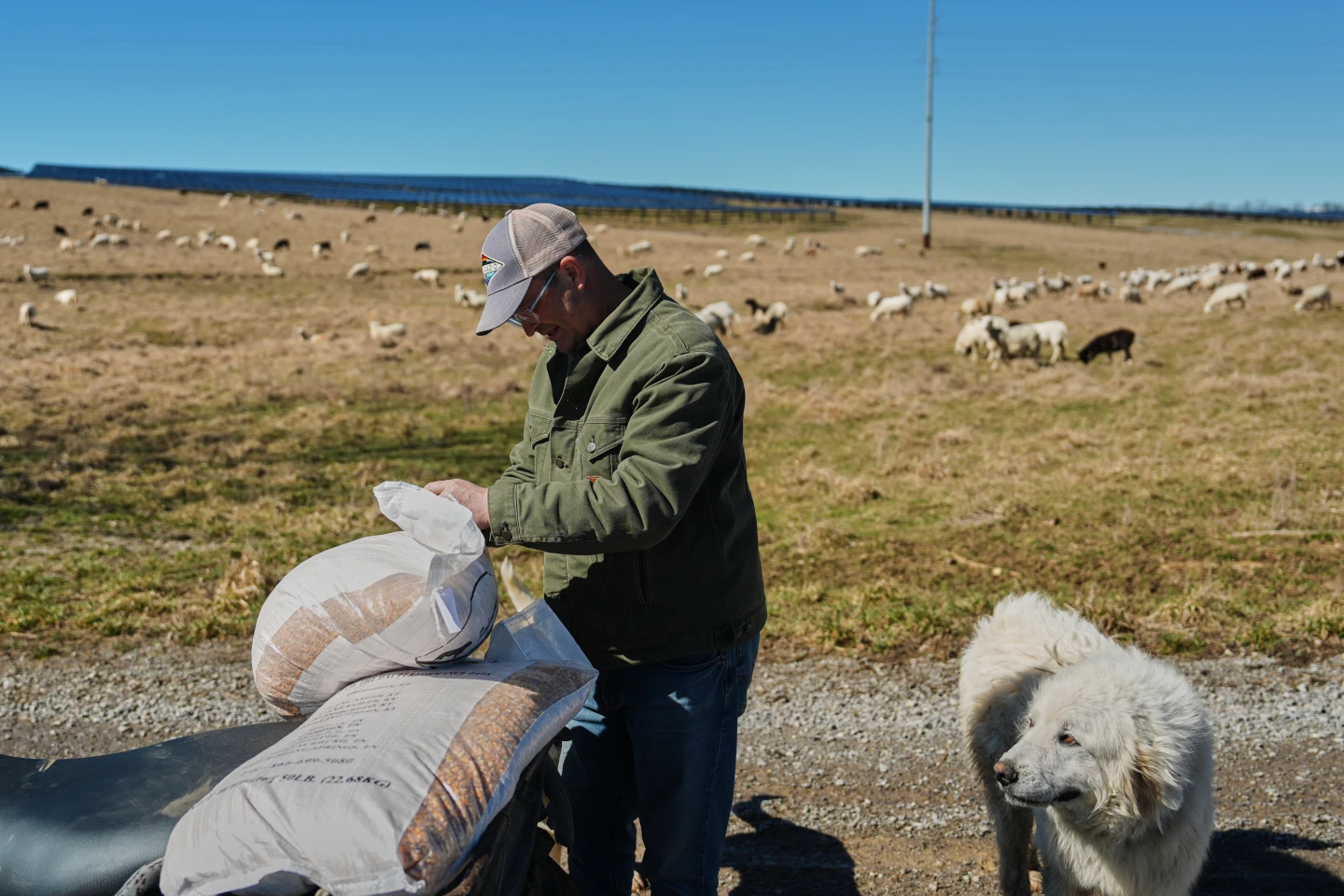
In recent years, Kentucky sheep farmer Daniel Bell expanded his flock, prompting the need for a new barn. Considering the location of his property, far from existing power lines, he pursued rooftop solar as a practical energy solution. However, plans collided with a reality shaped by the Trump administration's significant changes to energy grant programs.
Initially optimistic about funding opportunities through the USDA's Rural Energy for America Program (REAP), Bell encountered an unsettling halt to grant availability. \u201cThe pause on funding made moving forward with solar, a key to managing energy costs, impossible for me,\u201d he expressed. He emphasized the importance of renewable energy for autonomy and increased income for farmers grappling with economic pressures.
Many farmers operate on slim margins, searching for ways to reduce electricity expenses and gain financial stability. Some, like Bell, pivoted strategies; instead of constructing his solar facility, he plans to build temporary structures on land leased from a solar operation. This offers him access to cheaper electricity resources, creating a comprehensive farming approach integrating renewable energy.
The impacts of the federal policy shifts extend beyond Bell. In the past fiscal year, the USDA has not awarded any rural energy grants, leaving farmers uncertain about future renewable investments. Richa Patel, a specialist from the National Sustainable Agriculture Coalition, noted that though the REAP program has historically funded numerous energy projects since 2002, current disruptions raise serious concerns regarding the viability of solar installations for many rural homeowners and businesses.
Despite calendar shifts, some solar developers remain hopeful about the future, citing high demand for energy and viewing the current policies as a chance to streamline their project executions. However, the USDA's regulatory review process leaves many awaiting clearer guidelines on grant applications and loan eligibility.
The decline of financial support for renewable energy initiatives in agriculture poses questions about long-term impacts on rural communities. Nevertheless, those like Bell remain steadfast in adapting their operations, looking for viable solutions even as federal and local controls evolve.