In brief
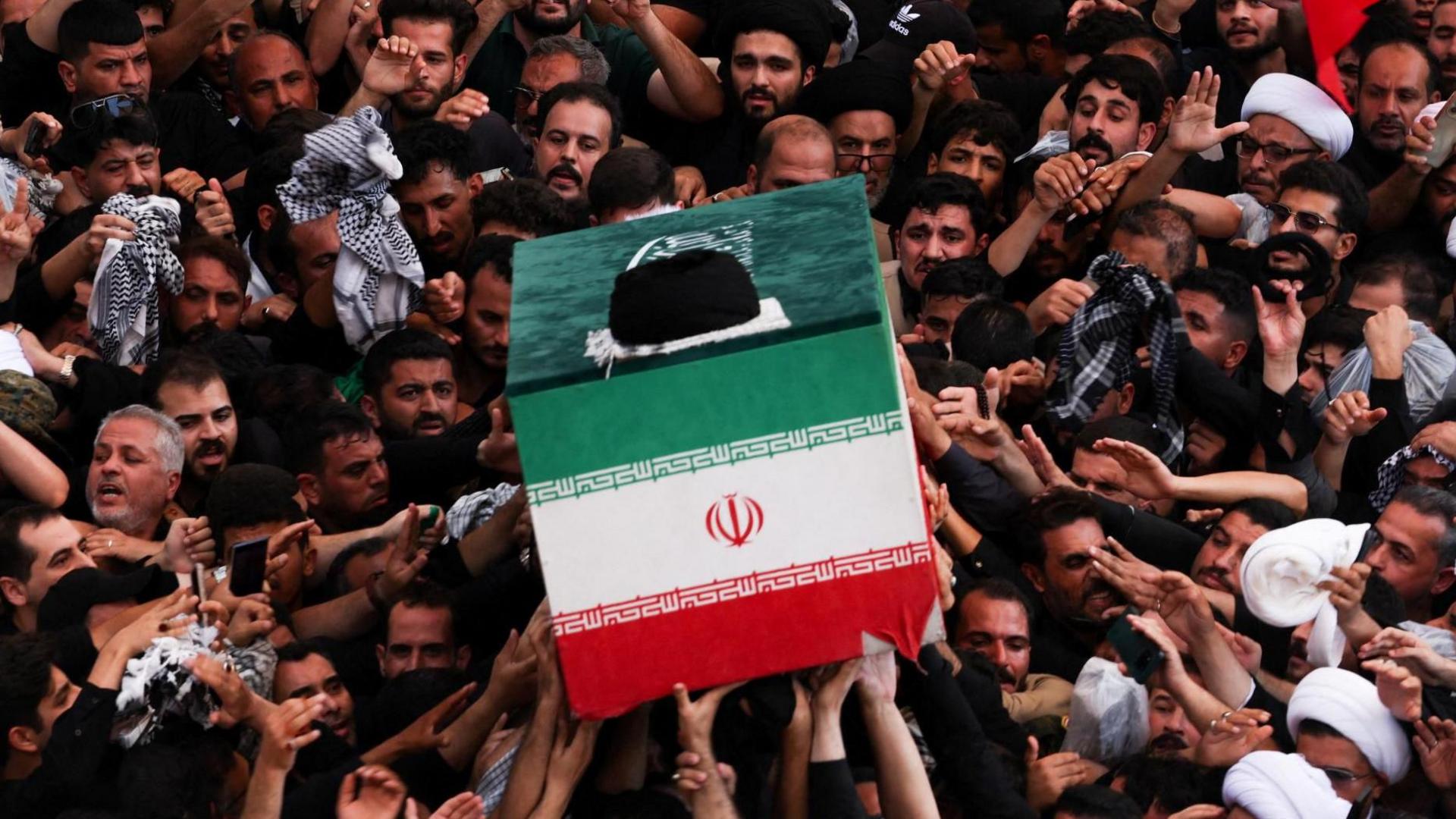
For the fifth day of mourning, the coffin of Iran’s late supreme leader was transported through two of the holiest Shia shrines in Iraq, attracting huge crowds in Najaf and Karbala and chanting slogans against America and Israel. The funeral rites, a symbol of resistance, unfolded amid heightened US‑Iran tension following recent aerial strikes and stalled diplomatic talks.
The coffin of Iran’s late supreme leader Ayatollah Ali Khamenei has completed a solemn journey through Iraq’s two most holy Shia sites.
On Wednesday morning the casket was carried by a lorry through the streets of Najaf, the city that hosts the mausoleum of Imam Ali, a central figure for Shia Muslims worldwide. Tens of thousands gathered, jostling for a chance to touch the coffin as it moved through the shrine’s interior halls, while chants of "Death to America" and "Death to Israel" echoed behind the procession.
After its arrival at the Imam Ali shrine, the coffin was flown to Karbala, roughly 60 kilometres north of Najaf. There it was again taken through crowds to the mausoleum of Imam Hussein – the prophet’s grandson whose martyrdom in the 7th‑century battle at Karbala remains a pivotal moment in Shia history.
The funeral rites in Iraq continued for a fifth day, with the final burial slated for Thursday in Mashhad, north‑eastern Iran. The ceremonies between the holy cities were a spectacle of mourning and political symbolism, while bodies of mourners celebrated Khamenei’s legacy as a resistance figure.
The day’s events unfolded against the backdrop of increased tensions between the United States and Iran after a series of aerial strikes that rocked the region. Iranian President Masoud Pezeshkian flew to Iraq to participate in the ceremonies, and the Iraqi government declared the day a public holiday. Officials of both camps have cited conflicting views on the status of a looming trilateral memorandum aimed at ending hostilities in the region.