In brief
A massive landslide on Wednesday afternoon covered a girls’ Islamic study centre with muck and mud, leaving eight people dead—seven children and one teacher. Rescue crews recovered thirteen survivors, sending five children to hospitals while eight perished. The event unfolded against a backdrop of relentless monsoon rains that have already triggered several fatal landslides across the coast, including a previous tragedy that killed eight Rohingya refugees. More than one million Rohingya languish in makeshift shelters on steep hillsides in Cox’s Bazar, a situation that makes them especially vulnerable to such natural disasters. Authorities are warning of further landslides and are evacuating high‑risk families.
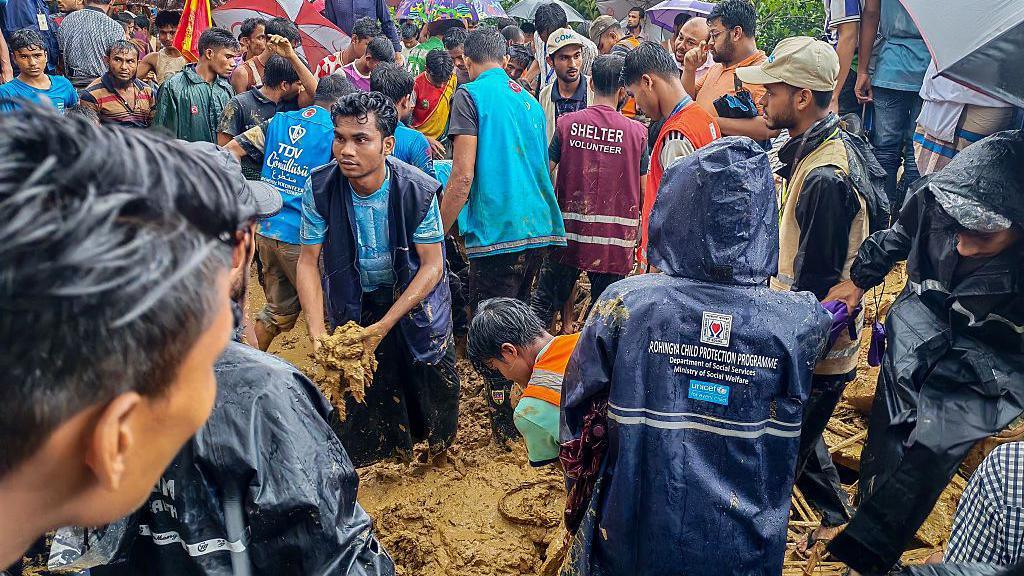
In the early afternoon of Wednesday, a sudden landslide buried a girls’ Islamic study centre at the Cox’s Bazar refugee camp, a mud‑filled disaster that left seven students and one teacher dead.
Rescue teams pulled thirteen people from the mud‑filled wreckage. A total of eight succumbed to the crush, while five children were treated at local hospitals. The victims’ ages ranged from as young as seven to as old as twelve, according to local district officer Panna Akhter.
Cox’s Bazar hosts more than one million Rohingya refugees who fled a violent crackdown in Myanmar in 2017. The camp, the world’s largest of its kind, is built on steep, poorly drained hills, making it highly susceptible to landslides during heavy rainfall.
Bangladesh has been battered by monsoon rains since Sunday, triggering multiple deadly landslides across the city. Earlier this week, at least eight Rohingya refugees—including five children—lost their lives in similar events.
The government warned of additional landslides and floods as more rain is forecast. Authorities are evacuating families in high‑risk areas and urging residents to monitor weather alerts.
The tragedy underscores how difficult living conditions and climate vulnerability combine to endanger the vulnerable Rohingya population, who live in temporary shelters made of tarpaulin and bamboo on precarious slopes.