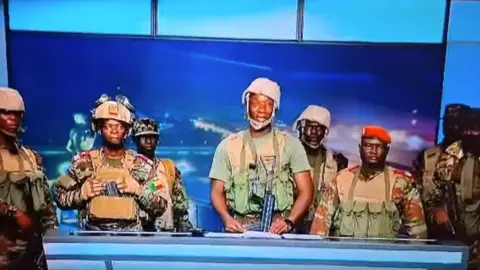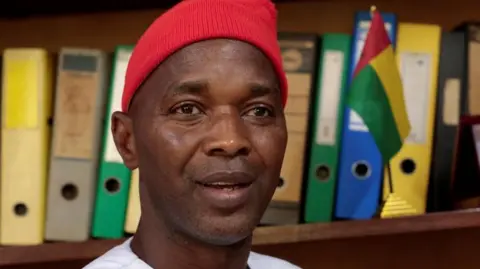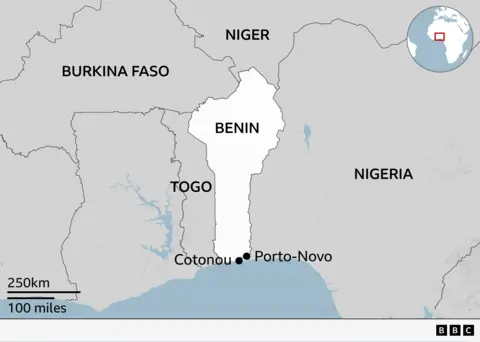
A senior government official in Benin has told the BBC that the leader of Sunday's failed coup, Lt Col Pascal Tigri, is currently taking refuge in neighboring Togo. The official, speaking on condition of anonymity, stated that the Beninese government is preparing to request his extradition, although Togo's government has yet to make any official comment on the matter.
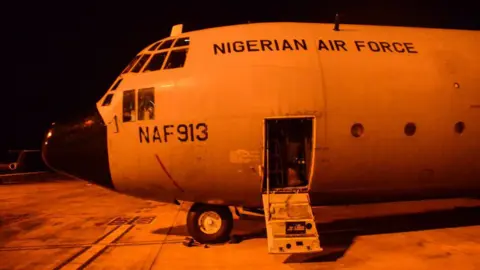
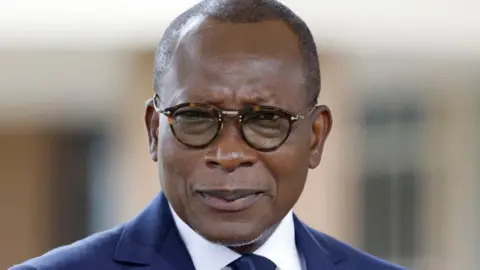
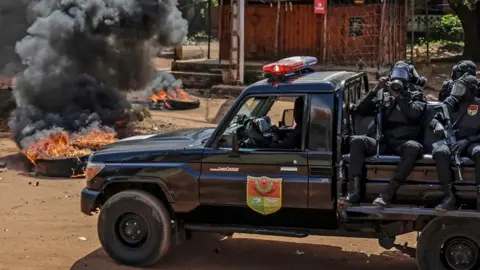
The coup attempt raises alarms as it coincides with a series of military takeovers in West African nations, indicating a troubling trend for democracy in the area. The insurrection was thwarted when Nigeria dispatched fighter jets to help dislodge mutineering soldiers from a military base and state TV offices, upon a request from President Patrice Talon's government.
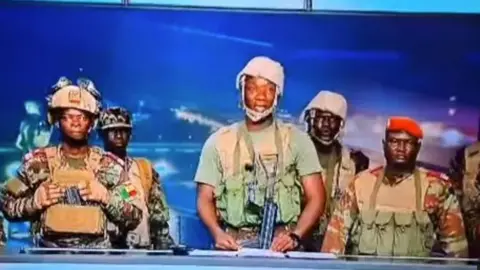
On the morning of the coup, a group of soldiers appeared on state television to declare that they had seized power, amidst gunfire erupting near the presidential residence. French special forces also assisted in defending the government troops, according to statements from Benin's republican guard, although government spokesman Wilfried Léandre Houngbédji could not confirm the extent of French military involvement.
The revelation of Tigri's location in Togo's capital, Lomé, where President Faure Gnassingbé resides, has caused the Beninese officials to express uncertainty while emphasizing their plans for an official extradition request.
Togo, as part of the West African regional bloc Ecowas, has condemned the coup attempt. Ecowas has since deployed troops from various member nations including Nigeria, Ghana, and Ivory Coast to secure critical installations in Benin, signalling a shift in the regional response to such military actions.
Benin has historically been perceived as one of Africa's stable democracies; however, with the recent coup attempt and the government's ongoing struggle against insurgent threats near its northern border, concerns regarding the country's political future are on the rise.