In a surprising shift, four moderate House Republicans have defied Speaker Mike Johnson by joining Democrats in a push to extend health care subsidies that are set to expire at the end of this year. These representatives hail from battleground districts in Pennsylvania and New York, which have become focal points for Democratic campaigns as they plan for next year's midterm elections.
As the pressure mounts from rising premiums linked to the Affordable Care Act, House Republican leaders have moved forward with a bill that overlooks these critical concerns. In response, the quartet's groundbreaking decision aims to bring about a vote on the Democratic-led initiative to prevent an impending health care crisis for their constituents.
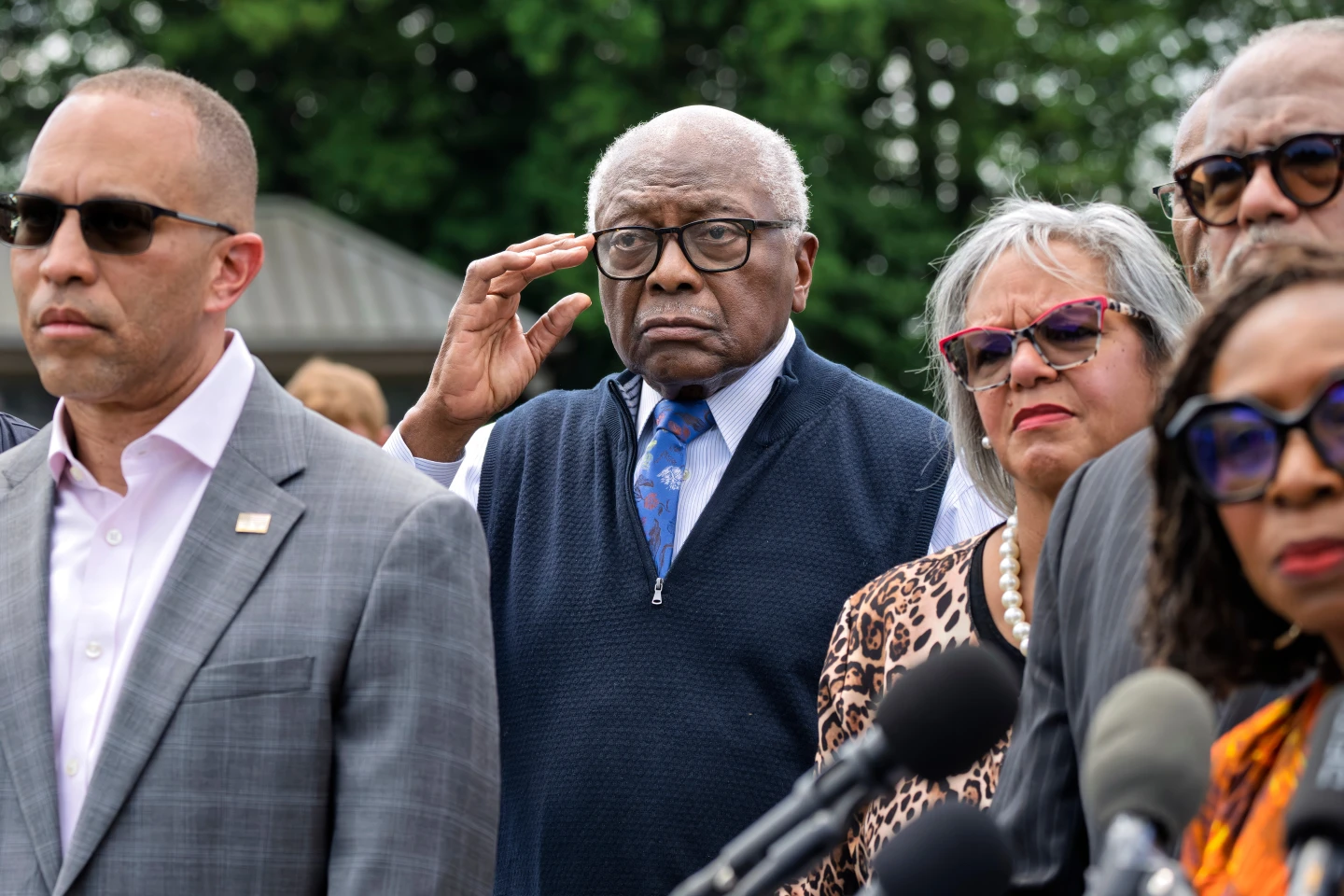
Among the four, Rep. Brian Fitzpatrick of Pennsylvania stands out for his history of bipartisan efforts. His inclination toward cross-party support includes initiatives reinforcing transparency in Congress, specifically a discharge petition aimed at extending ACA subsidies. Fitzpatrick emphasized, It's not every day you see this cast of characters up here, underlining the unique coalition formed in this circumstance.
Rep. Ryan Mackenzie, also from Pennsylvania, echoed this sentiment, acknowledging the need for relief despite recognizing the existing issues with the health care system. His advocacy for compromises to address ACA subsidies could potentially reshape voter attitudes in his district where Democrats are eager to convert seats.
Freshmen representatives Robert Bresnahan and Mike Lawler, both from key swing districts, are already facing scrutiny from Democratic challengers as they navigate their first congressional terms. Lawler, recognizing the significance of connecting with voters amid a tumultuous political environment, has positioned himself as a moderate voice seeking to protect the interests of his constituents. This recent action could bolster his standing among voters concerned about health care access and affordability.
The backlash against the Republican leadership and their current health care proposals marks a critical point of division within the party, raising questions about how this rebellion will reshape conversations as the elections draw closer.