The serenity of a late afternoon on the Moei River that divides Thailand from Myanmar is broken by three thunderous explosions. The ethnic Karen families bathing and playing in the water make a panicked dash for the river bank, as a plume of dark smoke rises from the trees behind them.
The conflict ignited by the Myanmar military's coup nearly five years ago has come back to the border.
But the fighting this time is linked to the scam compounds, run by Chinese crime syndicates, which have proliferated in Karen State in the past two years.
We are working to completely eradicate online scam activities from their roots, the Myanmar junta's spokesman Gen Zaw Min Tun said.
But there are good reasons for scepticism about the military's claims.
Now, for the first time, Myanmar's long civil war and its scam crisis are entwined.
After losing control of large areas of the country to insurgent groups, this year the military junta has counter-attacked, reinforced by new conscripts and new equipment like drones supplied by Russia and China. In Karen State it has driven back the forces of its main opponent, the Karen National Union, which it has been fighting for eight decades.
At the end of October, the army stormed KK Park, one of the most notorious scam compounds, driving out thousands of foreigners involved in online fraud schemes there. This was a striking change of heart from a military that had previously turned a blind eye to the multi-billion dollar scam business expanding rapidly along its border with Thailand.
The junta has tried to blame the KNU for the scams, but there is no basis for this; unlike the other armed Karen groups, the KNU has kept its distance from the business.
Billions of dollars have been lost globally by victims of romance scams, people duped into get-rich-quick crypto schemes, many of which originate from these centers. The darkest side of the industry is linked to severe human rights abuses.
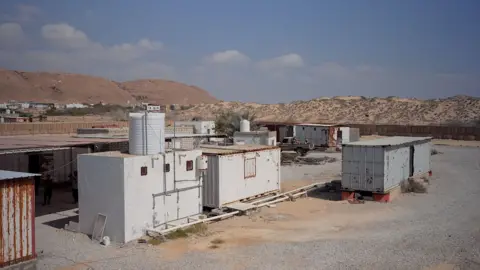
While we were on the border, we saw clouds of dust rising above KK Park as more buildings were demolished. Yet many buildings remained intact, indicating that scam operations might still be ongoing.
In contrast, the KNU announced that it wanted to set an example by exposing the captured scam centers, a stark difference from the military's approach which involved destruction rather than transparency.
Despite the military's demolitions in KK Park, the overall infrastructure for scamming remains largely unaffected, as the main scammers likely shifted to more remote locations. The military's operations are in part about cleaning up its image ahead of an upcoming election, seeking legitimacy amid widespread opposition and civil turmoil.