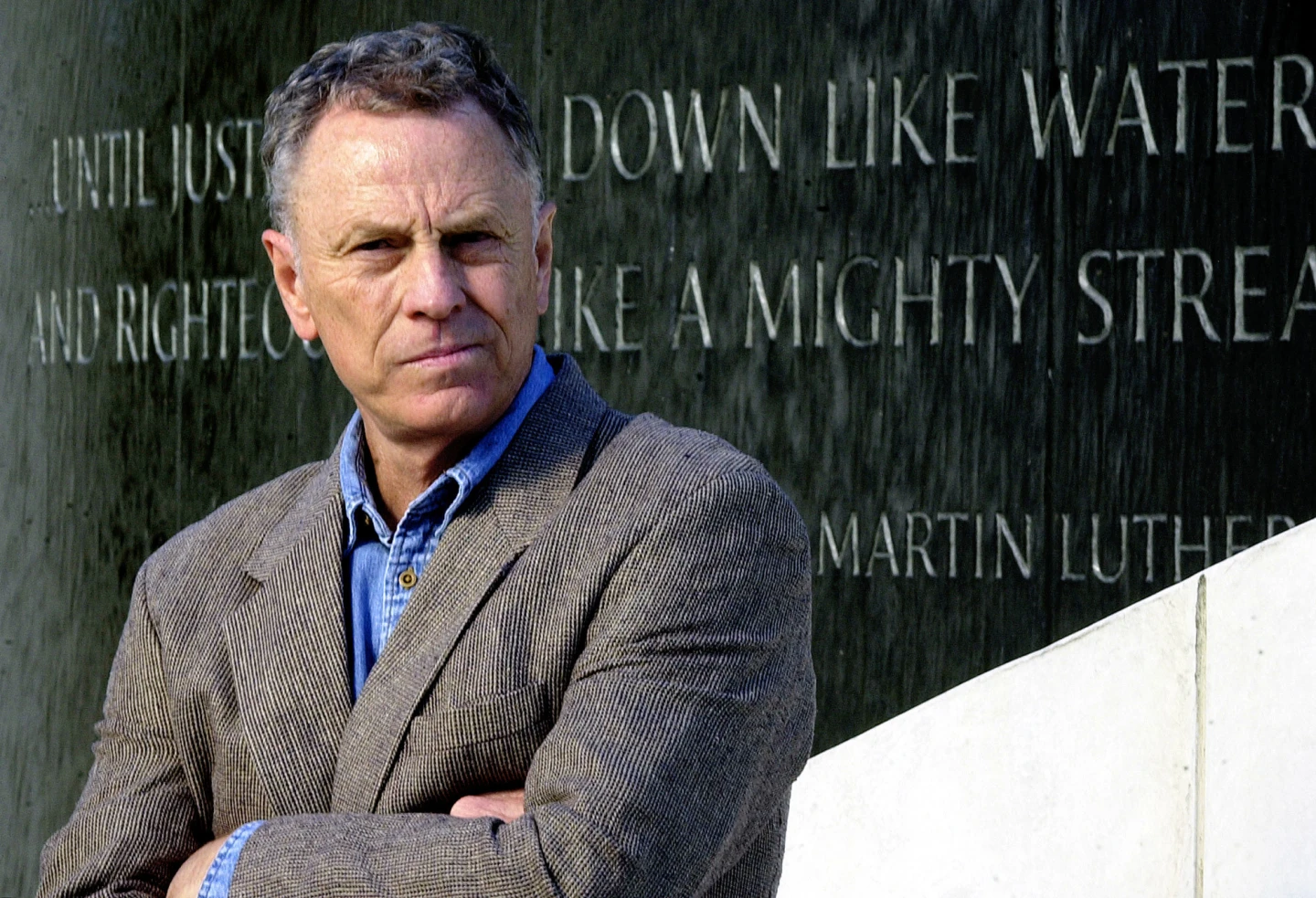
WASHINGTON (AP) — The National Park Service is set to offer free admission to U.S. residents on President Donald Trump’s birthday next year, coinciding with Flag Day, while eliminating the same benefit for two significant civil rights holidays: Martin Luther King Jr. Day and Juneteenth.
The new list of free admission days, effective January 1, 2026, reflects a notable shift in policy under the Trump administration, which many observers argue continues to seek to downplay the importance of America’s civil rights history, while simultaneously bolstering the president's legacy.
Last year, both Martin Luther King Jr. Day and Juneteenth were included in the lineup of free admission days. However, Trump’s birthday, celebrated on June 14, was not among them.
In 2026, besides Trump’s birthday, the other free admission days will include Presidents Day, Memorial Day, Independence Day, Constitution Day, Veterans Day, Theodore Roosevelt's birthday (October 27), and the anniversary of the Park Service's establishment (August 25).
By excluding Martin Luther King Jr. Day and Juneteenth, the new policy removes significant observances that commemorate major milestones in the fight for civil rights in the United States. This change has sparked criticism from various civil rights leaders. For instance, Cornell William Brooks, a former president of the NAACP and a Harvard Kennedy School professor, expressed outrage on social media, stating, The raw & rank racism here stinks to high heaven.
Kristen Brengel, a spokesperson for the National Parks Conservation Association, echoed similar sentiments, emphasizing the importance of Martin Luther King Jr. Day as not only a day of recognition but also a time when community organizations engage in service projects aimed at improving national parks.
Democratic lawmakers have also denounced the policy, arguing that it symbolizes a systematic disregard for Black Americans' contributions to the nation’s history. Senator Catherine Cortez Masto of Nevada remarked, Our country deserves better, highlighting that this change undermines the recognition of America’s civil rights struggle.
A spokesperson for the National Park Service did not provide immediate comment on the reasons for these changes. Critics noted that since taking office, Trump’s administration has actively sought to dismantle programs perceived to promote diversity and has consistently eroded the visibility of Black history and civil rights victories in America.
The implications of this revised admission policy extend beyond symbolism, as higher admission costs for international visitors have also been announced, raising concerns about accessibility to national parks.
In conclusion, this ongoing debate raises fundamental questions about how history is recognized and celebrated in public spaces vulnerable to political influence.