In brief
A nationwide wave of school and university protests has unfolded across France, with students alleging overcrowded classrooms, teacher shortages and dilapidated buildings. Paris and Marseille saw police deploy tear gas, while Rennes used water cannons, sparking accusations of disproportionate force. Roughly 450,000 demonstrators blocked 1,800 high schools, turning the movement into a national crisis. French leaders face mounting pressure to address the grievances amid fears of escalating violence and a looming presidential election.
Hundreds of thousands of students have taken the streets in France, turning a local grievance into a national movement.
Initial protests began in September in the Seine‑Saint‑Denis suburb of Paris, where students complained about overcrowded classrooms, a severe shortage of teachers and buildings in disrepair. On 6 October the unrest spread to Paris, Marseille, Lyon, Rennes and twenty‑seven other cities, with demonstrators demanding more resources and less police repression.
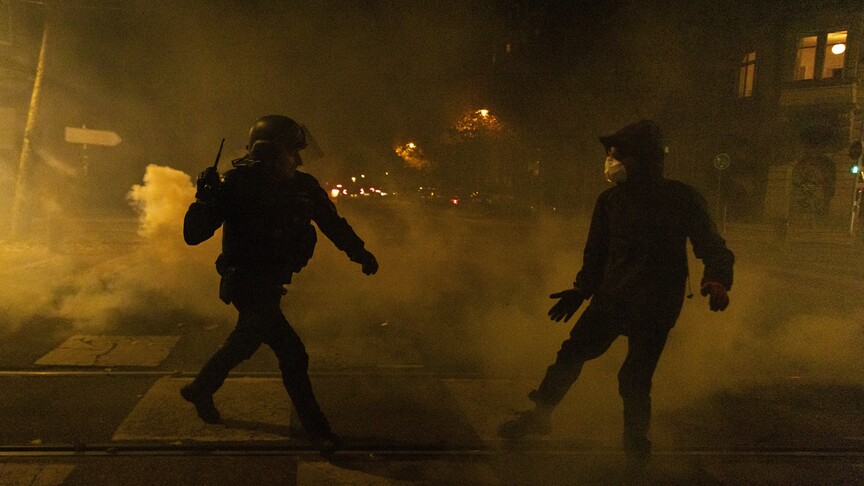
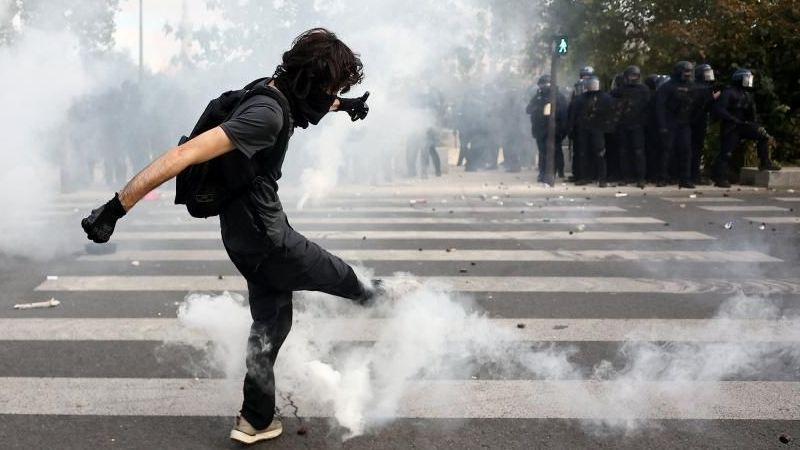
Police response varied: in Paris and Marseille riot officers fired tear gas at crowds, while in Rennes a water cannon was rolled out. Reports of deformation and injuries—such as a 14‑year‑old who fractured his jaw after being hit by a tear‑gas canister—have intensified calls for restraint. The Interior Ministry identified 6,547 arrests since 28 September, the French police inspectorate launched investigations into several incidents, and a police officer in Saint‑Ouen‑l’Aumône has been charged with violence causing permanent disability.
Illuminating the human faces behind the numbers, students like Alissa and her friend Sacha in Marseille spoke of how leaking ceilings and cramped spaces hinder their learning. Their voices echo a broader narrative that many citizens, including retirees Alain and Michèle, see the protests as a fight for the future of France’s education system.
Prime Minister Sébastien Lecornu condemned the violence while acknowledging the damage inflicted on schools—approximately 891 of the country’s 3,500 high schools were disrupted on Tuesday. Education Minister Édouard Geffray tried to mediate a dialogue, but the student unions warned that further demonstrations, potentially involving university participants, are planned for Thursday.
Amid the unrest, French President Emmanuel Macron faces a growing political challenge. With the 2027 presidential election only seven months away, the radical‑left France Unbowed party is accused of fostering chaos, while incumbent Chief of Staff is under scrutiny for its handling of the protests.