In brief
Prime Minister Donald Tusk has identified the recent violent attacks on Polish schools as the result of a digital culture that idolises violence. Across nearly a dozen incidents, more than a dozen people were injured and a caretaker was killed. In response, authorities arrested 117 suspects for weapons, threats or online activity that promoted hostility. Tusk emphasised that these are not organised by any large group but stem from a broader fascination with extremist violence and mass‑killing icons. The Polish government has also mobilised troops to protect ministers amid fears of a larger threat.
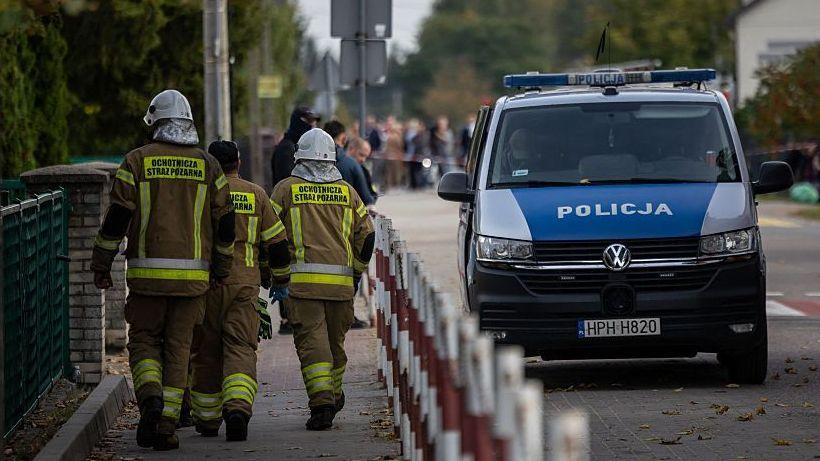
Three separate knife assaults in Polish schools this week have left a community in shock, prompting Prime Minister Donald Tusk to point to an online glorification of violence as the driving force behind the attacks. The incidents have casualties ranging from serious injuries to a fatality, and the government has promptly begun a security sweep that resulted in 117 detentions for weapons or online threats.
A 37‑year‑old caretaker was killed when a 15‑year‑old student poured a knife into the walls of a primary school north of Warsaw. Earlier, a 19‑year‑old attacked a vocational school in Mazovia, wounding nine people. A separate 17‑year‑old in Warsaw was arrested after allegedly threatening others on the school grounds.
Tusk said the attacks were “spontaneous actions inspired by online activity” and announced that police forces had visited thousands of schools in an effort to reassure students and staff. He added that while the incidents are not linked to a coordinated group, they are symptomatic of a growing fascination with extreme right rhetoric and mass‑killers who are celebrated online.
The Interior Minister confirmed a case in which a teenager had expressed a “dangerous plan” on school grounds, and the police alerted security services to a potential threat against high‑ranking officials, including Tusk and Minister of Defence Władysław Kosiniak‑Kamysz. The state’s special services treated the individual threat as “deadly serious.”
The Polish response underscores a broader concern among European governments about youth radicalisation on digital platforms. Authorities now face the challenge of curbing online content that encourages violence while protecting civil liberties and school safety.