Police Crackdown Turns Delhi Protest into Viral Meme Culture
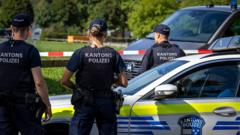
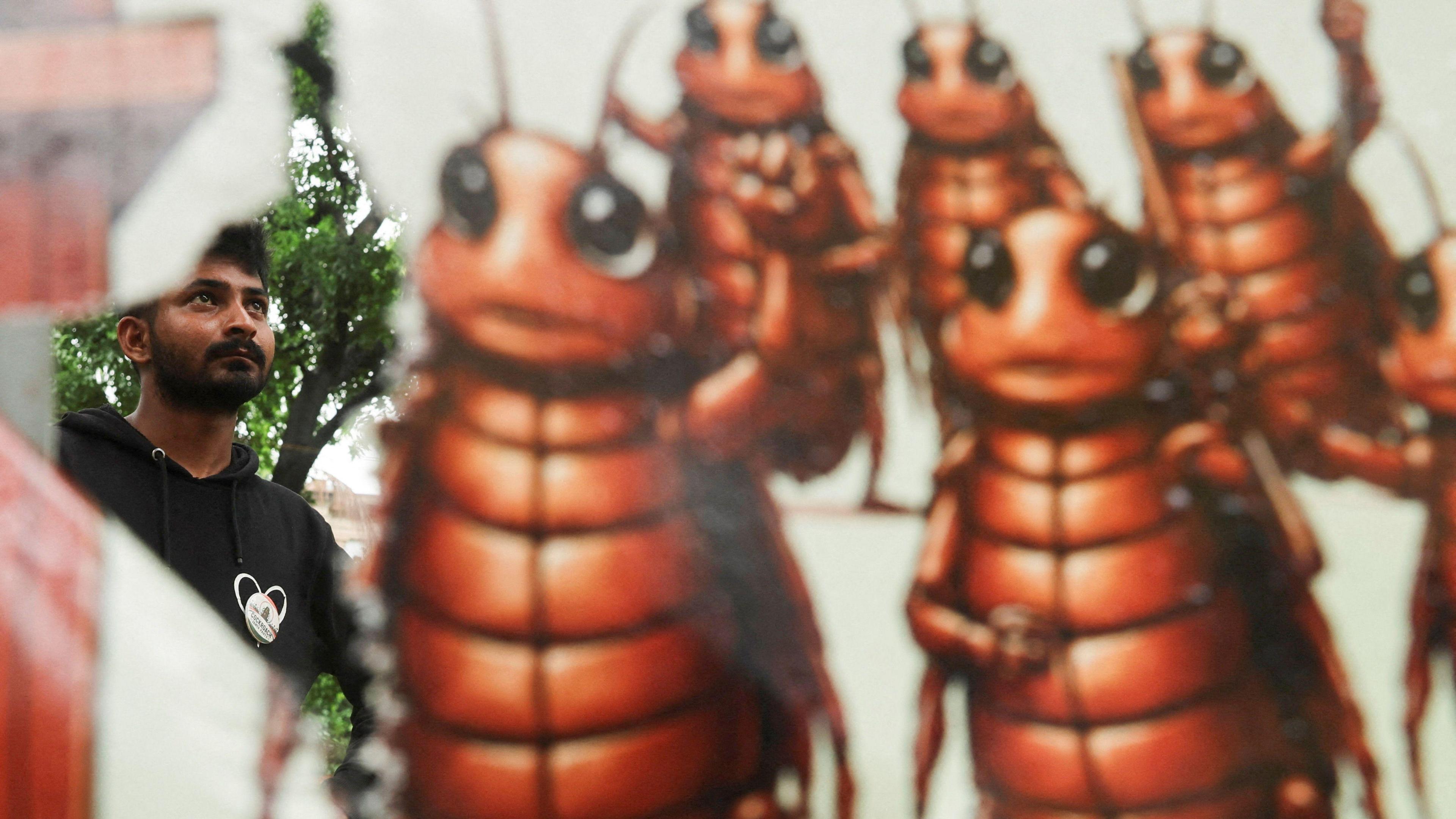
On 20 July 2026 the massive clash between Delhi’s youth‑led Cockroach Janta Party (CJP) and police was more than a simple protest. While tear‑gas clouds and baton charges filled the streets, the very same moments were captured and turned into memes that spread across the city’s social feeds.
Chhavi (name changed) paused outside a metro station, climbed a railing and filmed a “fit check” for her followers. She joked, “Going to get beaten by cops, guys,” smiling into the camera. The video was later shared alongside footage of police deploying tear gas, baton charges and the CJP’s petition for Education Minister Dharmendra Pradhan’s resignation over exam‑paper leaks.
The protest gathered tens of thousands of supporters, all of whom marched toward the Parliament. Authorities cut off mobile internet at the site, but when connectivity returned, a flood of Instagram reels, Tik‑Toks and memes erupted. Many posts mixed narratives of fear and defiance with self‑directed jokes—ranging from “fit check” before a tear‑gas explosion to deadpan “reviews” of the gas’s smell.
Experts say the humor reflects an older generation’s separation of politics from personal life, while the current generation integrates meme culture into their politics. "Younger generations grow up with politics alongside their memes, their family pictures and their daily commutes," says Joyojeet Pal of the University of Michigan.
Social‑media anthropologist Payal Arora frames the act of recording the protest as a way to remember: “The act of capturing a protest is often an end in itself. Their message is more like: ‘This happened. We were there. We will remember.’”
The memes served more than entertainment. “Politics is everyday, emotional and experiential,” says Nishant Shah of the Digital Narratives Center. “Humor can create solidarity, ease tension and help people endure moments of fear.” His analysis points to a new genre of protest language built on rapid sharing and remixing.
A 21‑year‑old participant, Ishan (name changed), shared a reel captioning the police fumes with the familiar local joke: “Delhi Police doesn’t realise I’m from Jamuna Paar.” He explained that the tongue‑in‑cheek remark was not to dismiss the violence but to refuse fear “to dictate the memory of the day.”
Some names have been changed to protect the identity of the person.
© Reuters; © BBC News India – Follow on social media for real‑time updates.