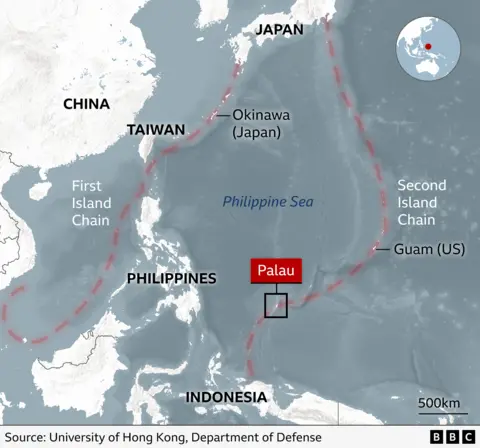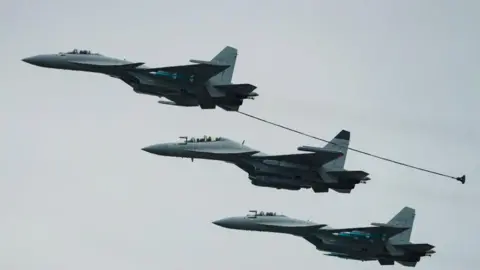
Japan has protested after Chinese fighter jets locked radars on Japanese aircraft as tensions between the two nations worsened. Locking radar onto an aircraft is considered a threat because it can signal a potential attack. Japan reported two such incidents on Saturday off its southern Okinawa islands.
In response, Japan scrambled fighter jets while accusing Beijing of harassing its forces during a training exercise. No injuries or damages were reported from the incidents.
Diplomatic relations between Japan and China have declined sharply following remarks from Japanese Prime Minister Sanae Takaichi, who suggested that Tokyo might respond with military action if China were to attack Taiwan. Beijing considers Taiwan a part of its territory and has not ruled out the use of force to "reunite."
Both countries have been engaged in increasingly aggressive mutual rhetoric, with repercussions affecting daily life for their citizens. Japan described the actions of the Chinese J-15 jets as extremely regrettable, affirming that it had formally protested and requested measures to prevent such occurrences in the future.
The Chinese navy rejected Japan's accusations, insisting their actions were consistent with previously announced exercises, instructing Japan to cease its claims. This situation follows a spate of heightened tensions, including Japan scrambling aircraft due to the detection of a suspected Chinese drone near Yonaguni Island. The Japanese government is also looking to deploy missiles as part of their defenses, a move that has provoked further anger from China.
In a broader context of rising animosities, China has urged its citizens to avoid traveling to Japan, while also imposing a ban on Japanese seafood imports and halting screenings of popular Japanese films.