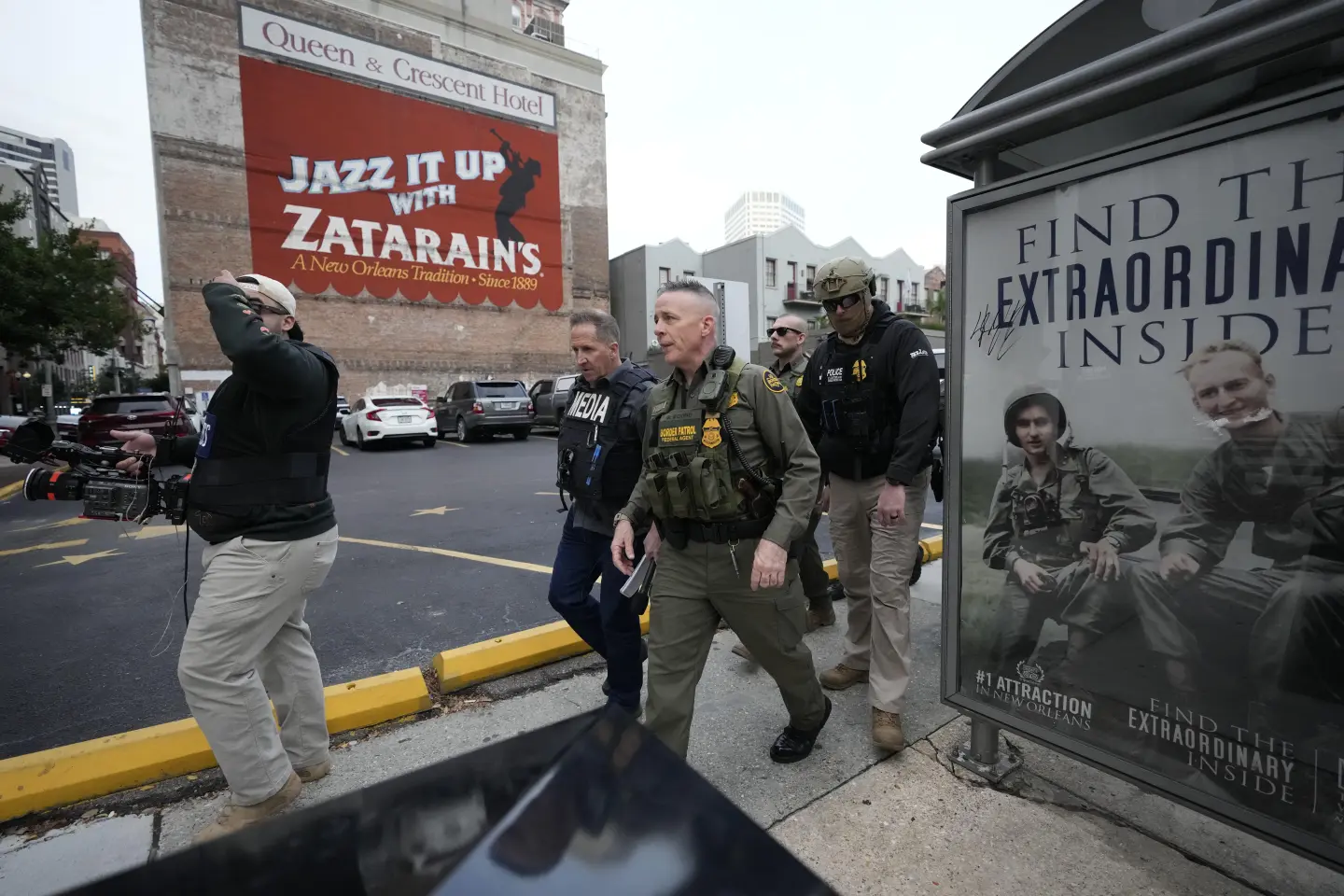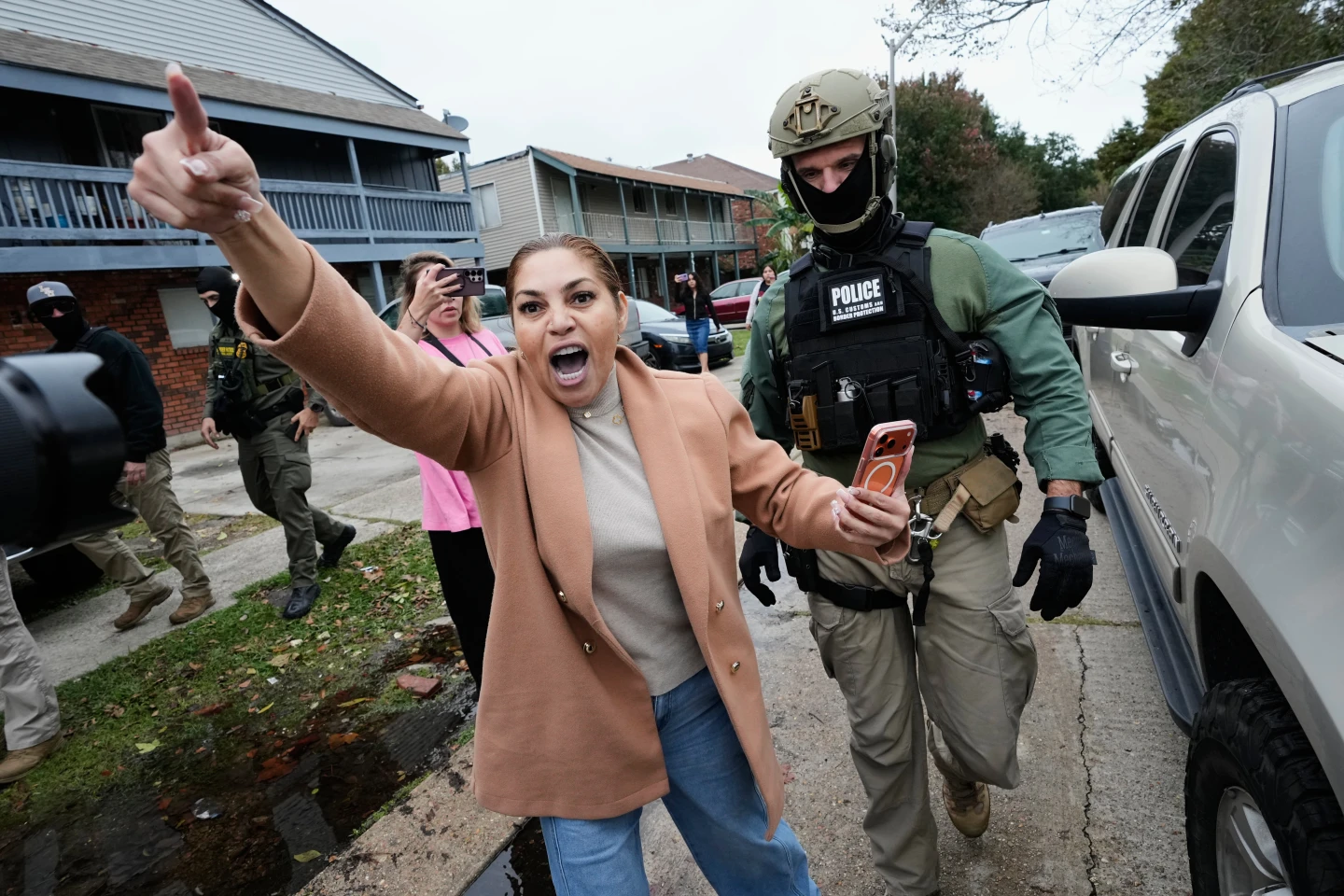
New Orleans (CIVITAS) — State and federal authorities are intensifying their scrutiny of public reactions to the ongoing immigration enforcement operations in New Orleans under the initiative titled 'Catahoula Crunch.' These operations are said to be targeted at 'criminal illegal aliens,' yet reports show that the majority of those detained lacked severe criminal records.
According to law enforcement intelligence data, public sentiment surrounding these arrests remains mixed, with some individuals showing support while others voice their strong opposition. Local leaders have expressed outrage, stating that detailed information on arrests has been withheld from the public and that ongoing operations primarily appear to target individuals based on racial profiling.
This confirms our longstanding concerns, said state Sen. Royce Duplessis, who represents New Orleans. This immigration operation is not rooted in public safety; instead, it fuels chaos and fear within the community. The narrative that links immigrants with violence perpetuates harmful stereotypes.
The Department of Homeland Security (DHS) asserts that their focus is on violent offenders, yet available records highlight that only a fraction of those apprehended had significant criminal backgrounds. Critics are urging for transparency, as local officials demand clarity about the operations’ objectives.
If the intention is to process violent criminals, why the lack of communication about those arrested? questioned J.P. Morrell, the City Council President.
Amid concerns over civil liberties, the authorities are also monitoring online platforms for sentiments related to the crackdown. This includes surveillance of social media discussions where community members share information about the immigration raids. The increase in online conversations about these operations has raised alarms for some that this could infringe upon the public's right to free speech.
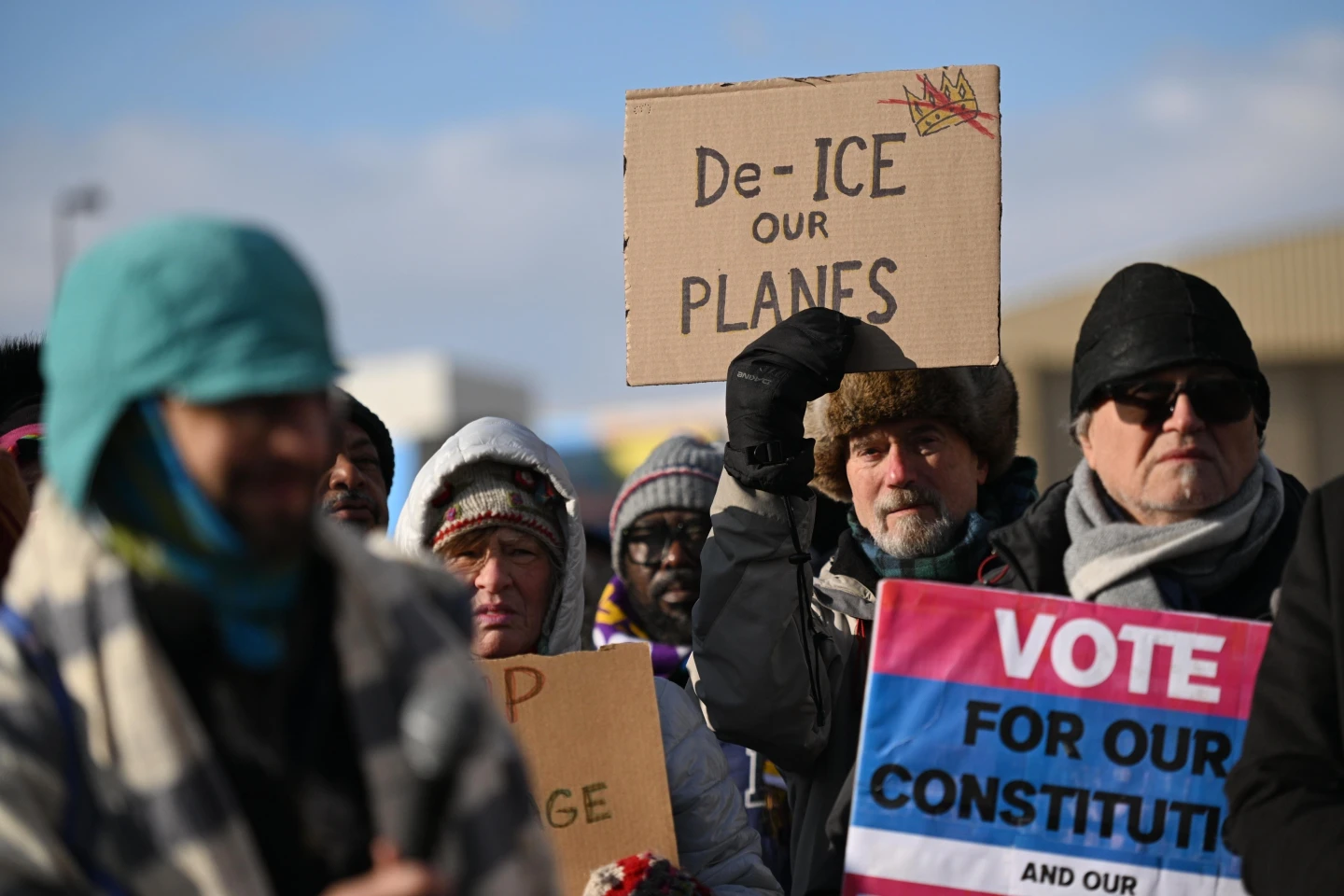
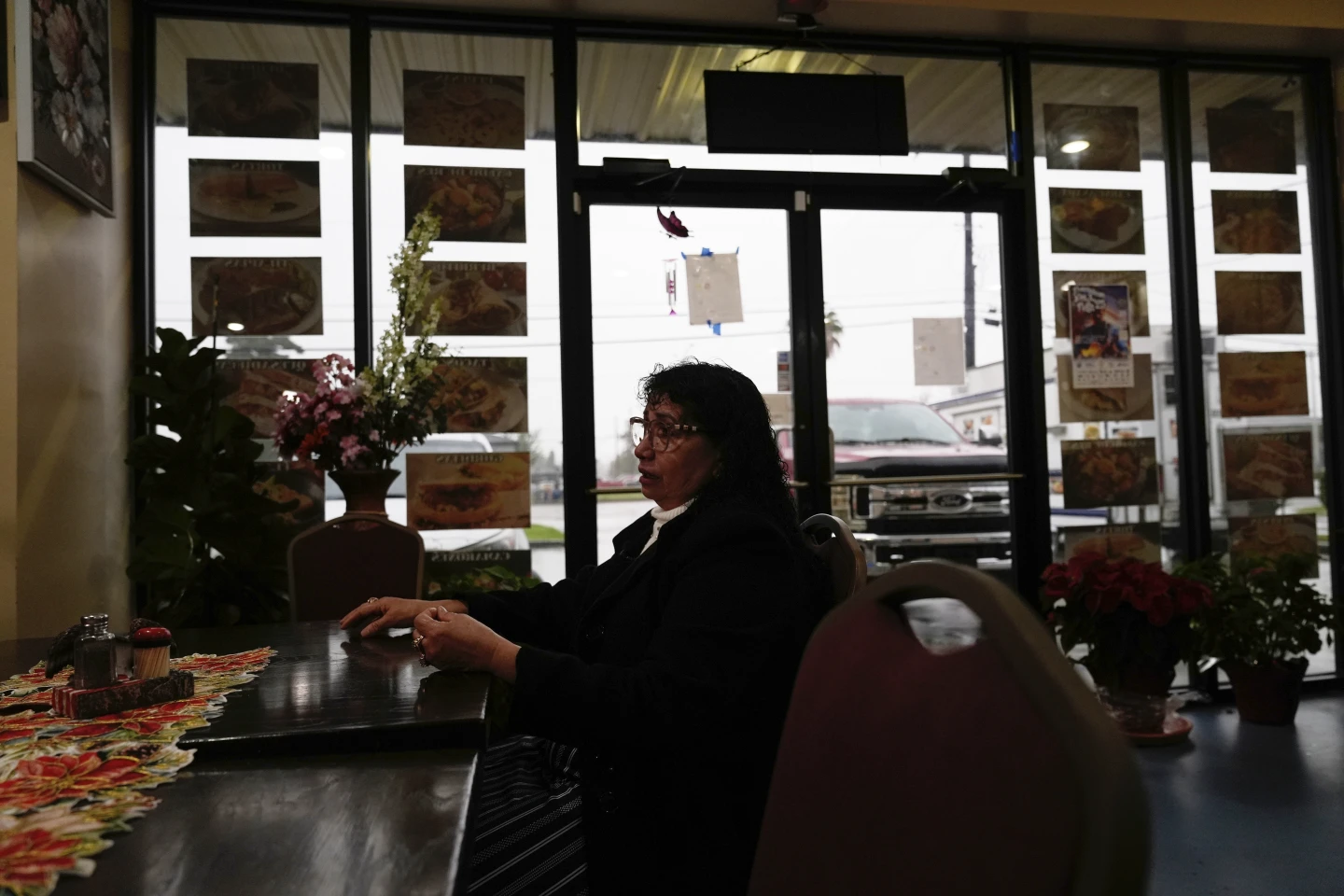
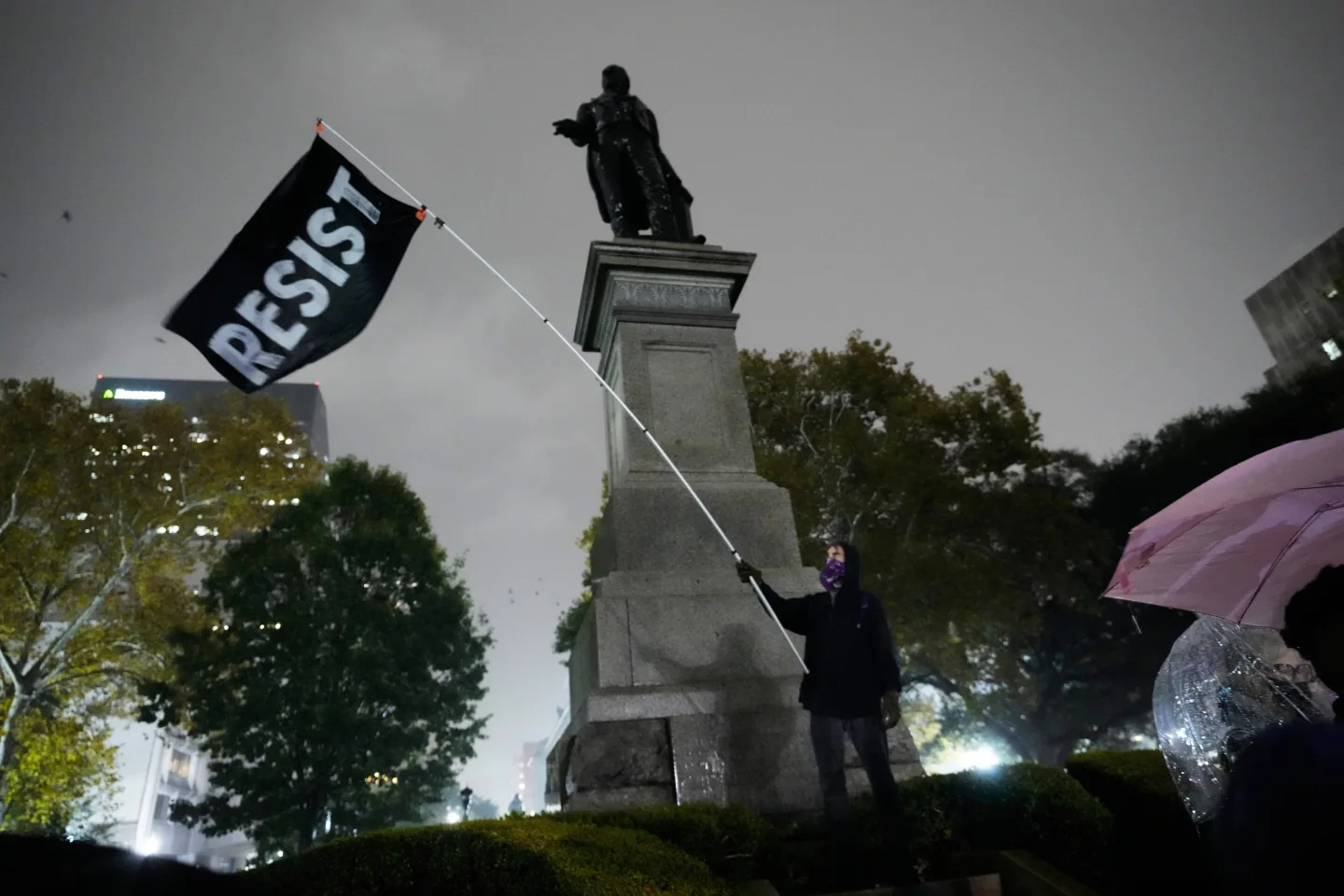
Community organizers, like Rachel Taber from Union Migrante, emphasize their peaceful activism in the face of surveillance. Our actions are not illegal; we are simply documenting the realities that our community faces, she stated, reflecting a broader sentiment among activists pushing back against the crackdown.
The dynamics of local leadership, community response, and federal monitoring continue to evolve as the operation unfolds, leaving many residents apprehensive about the future of immigration enforcement in their area.