On Sherbo Island in West Africa, fishermen have watched their nets go lighter and their barrels harder to fill.
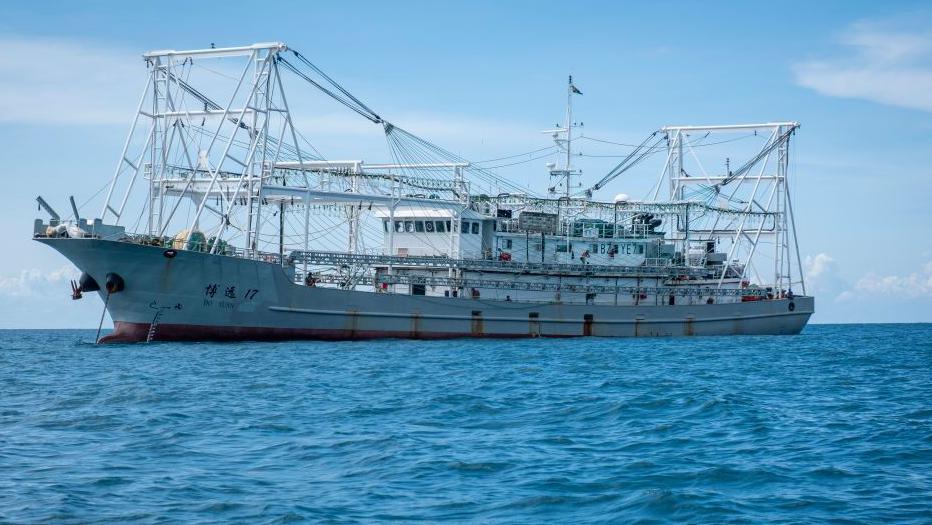
Over the past decade, the small villages that line Sierra Leone’s coastline have seen a near‑half fall in average fish haul. The reduction is now linked to large “foreign” trawlers that enter the waters every night. Local mackerel and snapper makers claim that these vessels cut their nets, discard the catch behind the ships, or simply dragon the resources that belong to the locals.
A 2024 report by the Financial Transparency Center found that 40% of the world’s unlicensed catches can be traced to West African waters. The study estimates the region’s governments lose about £7.6 bn ($10 bn) a year in revenue, while millions face food insecurity.
Thomas Turay, president of Sierra Leone’s Fishermen’s Union, says the average catch for union members is down about 40% and that the “officials are unwilling to act.” He points to the 7‑mile exclusion zone that should keep external vessels out but notes that trawlers routinely slip through, often with the aid of anonymous bribes that undermine enforcement.
While the Ministry of Fisheries claims to enforce transponders on foreign vessels and routine inspections, the ministry’s director Sheku Sei insists that none of the promised inspections are happening in practice. “We have the tools; we just need the political will,” Sei says.
Most of the trawlers are of Chinese origin. Steve Trent, co‑founder of Environmental Justice Foundation, says China’s lack of oversight and subsidies enable illegal fishing. He argues that better maritime surveillance and consumer pressure in importing countries could force change. “Your supermarket buys fish. You have a choice—support sustainable supply or the illegal, destructive harvest,” Trent says.
In an effort to bring the issue home to readers, the BBC also quoted a 70‑year‑old fisherman, Abou Waisissé, who witnessed his nets cut by a passing vessel, and a 55‑year‑old boat captain whose craft collided with an international trawler. Their stories illustrate the human cost behind statistical headlines.
If global fish markets stay insulated from legality, the practice will continue, threatening the livelihoods of those who depend on oceans. Enforcing the seven‑mile exclusion zone, ensuring international transponders are active 24/7, and raising public awareness are steps the article suggests for a future where local fishermen can secure their waters and lives.
For more on the story, see the BBC coverage about this ongoing crisis and the global fishing report.