In brief
At 87, Maricarmen Abascal died following her forced eviction from a Madrid flat that had seen a steep rent rise. The case triggered widespread nationwide protests demanding stronger tenant protections. The Madrid Tenants’ Union denounced the late rent offer as avoidable and called Abascal’s death a turning point in Spain’s housing debate. Prime Minister Pedro Sánchez announced a snap election to seek a broader majority that could overhaul housing policy.
Spanish pensioner’s death fuels housing crisis protests
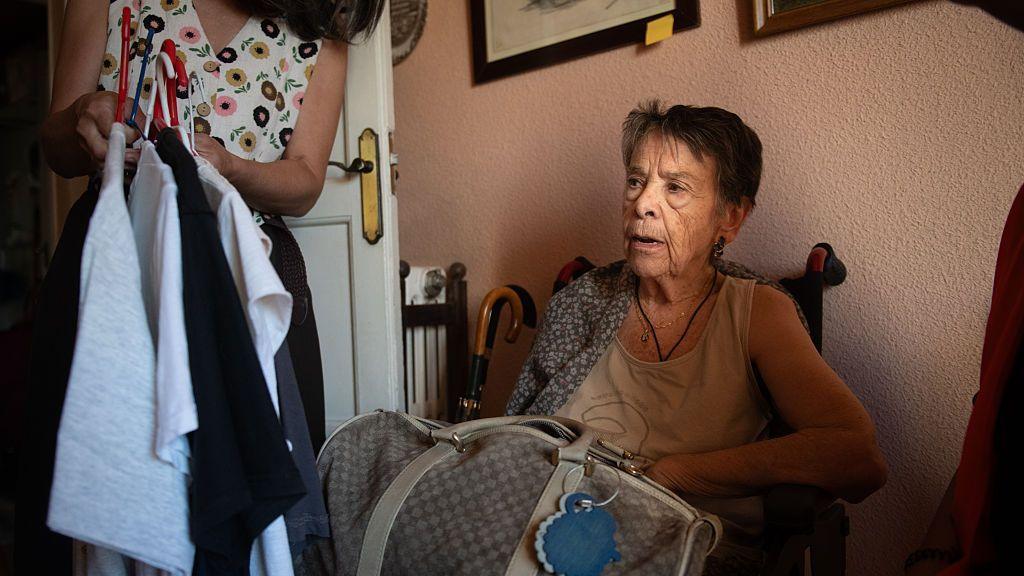
Maricarmen Abascal, 87, died after being evicted from her Madrid flat on 23 September. The eviction followed a rent hike from €500 to €2,650, a figure that exceeded her pension.
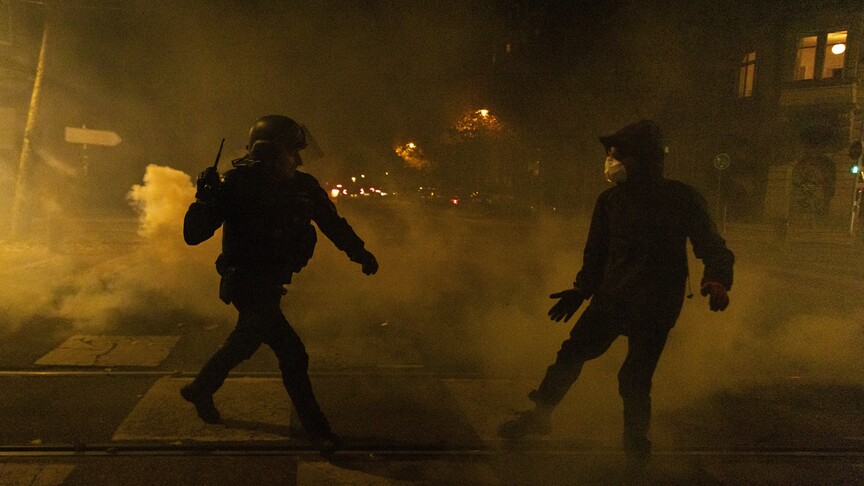
Abascal’s eviction sparked a wave of demonstrations across Spain, with supporters demanding stronger tenant protections and affordable housing. The Madrid Tenants’ Union called the incident a “turning point” and condemned the late offer of a reduced rent, labeling the process as avoidable.
Prime Minister Pedro Sánchez, who had struggled to push emergency housing legislation through Congress, announced a snap election for 29 November. He said the government needed a broader majority to “overcome the resistance of the elites” and pass reforms.
The union pledged to honour Abascal’s legacy by continuing the fight for housing rights, while protests at Madrid’s Puerta del Sol became a symbolic rallying spot for the movement.