The fragile ‘no war, no peace’ situation since the US and Iran signed a tentative deal last month now seems to have tipped into war.
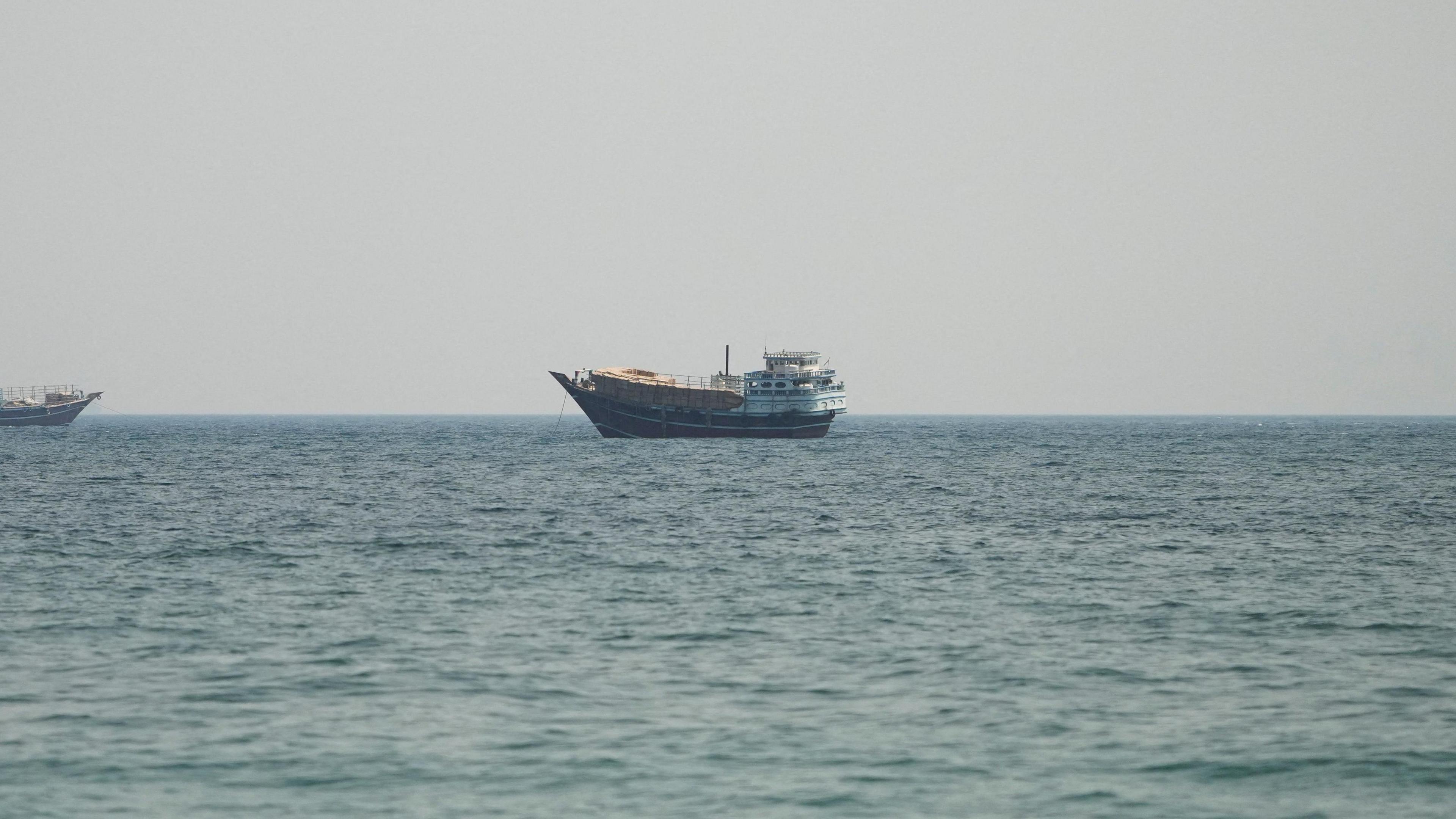
That truce, drafted in haste and heavily negotiated by Arab and Pakistani mediators, was meant to ease tensions but now stands on one of the region’s most contested points: control of the Strait of Hormuz. For Iran, the strait is not just a passage for oil and gas but a national security asset that the country will never relinquish.
Under the memorandum of understanding, a 14‑point plan, Iran’s Mohammed Bagher Ghalibaf posted on social media that the country has “kept its word or be paid the price.” The stumbling block is point five, where the agreement reads: “The Islamic Republic of Iran will make arrangements using its best efforts for the safe passage of commercial vessels.” Iran sees this clause as a green light to steer the strait’s management, while Washington interprets it as a requirement to open the waterway to uninterrupted global trade, including deliveries of fertiliser and other vital commodities.
Where the US and Iran diverge, other regional actors also feel the strain. Qatar, a former mediator, and Oman, a long‑time neighbour, have voiced concerns about Iran’s plans to charge “service fees” and to treat the strait as a toll‑gate. The UAE has already warned that any such charges would set a dangerous precedent that could destabilise the region’s maritime security.
In late July, Tehran’s parliament introduced a new bill dubbed the Strategic Action for the Security and Sustainable Progress of the Strait of Hormuz and the Persian Gulf. The bill calls Iran’s control “inalienable right” and promises the country a new tool of deterrence. When asked if Iran would cede any control, the head of the national security commission answered simply, “never.” That stance underlines a deeper distrust of the US and a fear that any concession could expose Iran’s economy, beleaguered by sanctions and high inflation.
Control over the strait is not just about shipping; it is a lever in the larger strategic contest that includes sanctions, nuclear diplomacy, and regional influence. Recent incidents—attacks on three vessels in the corridor, including a Qatari‑flagged LNG tanker—have been attributed to rogue elements within the Islamic Revolutionary Guard Corps, signalling a possible push to assert tighter command over maritime routes.
Experts say that the deal itself had fundamental flaws: a 60‑day negotiation window that was unrealistic, and a vague memorandum that left room for divergent interpretations. While some diplomats point to the possibility of compromise—perhaps no tolls for passage but a nominal fee to maintain Iran’s authority—others warn that both sides may do well to recognize mutual weakness and that the truce could survive only if hard lines soften.
The stakes remain high. With Iranian inflation running at 80 percent, widespread unemployment, and a long‑running internet blackout, the domestic pressure cooker may force Tehran to maintain a hardline stance, even as the US continues to monitor maritime activity and sanctions policies. For the wider region, the outcome of these negotiations will shape the security of one of the world’s most critical shipping lanes and set the tone for future diplomatic engagements.