Super Typhoon Bavi Storms into US Pacific Islands
Winds of nearly 290 km/h (180 mph) and gusts of 350 km/h slammed Guam and the Northern Mariana Islands as Super Typhoon Bavi moved over the Pacific. The U.S. National Weather Service warned the storm was "very dangerous" and could cause catastrophic damage.
The Pacific region is highly vulnerable to tropical cyclones, and scientists cite climate change as the driver of more intense storms. The super typhoon, the 11th category‑four or five event to hit U.S. territory in the past decade, is expected to bring waves up to 35 ft.
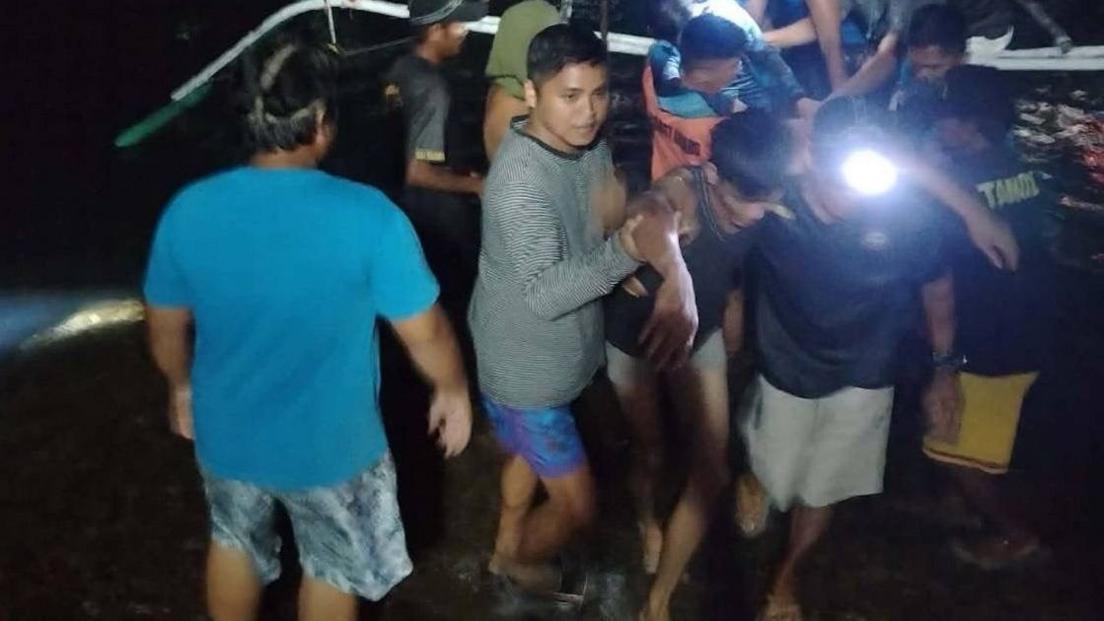
Residents are evacuating to shelters as fuel supplies run low. Rota, the southernmost island near Guam, was the first to take a direct hit, according to the NWS. The mayor’s office issued an advisory urging people to prepare for destructive winds and to stay indoors until conditions improve. People on Saipan report they already lack power from the earlier super typhoon Sinlaku, which killed 17 people and caused $1.5 bn in damage.
In the days ahead, the winds are expected to remain at typhoon force until the afternoon of Monday and fall below tropical storm force after midnight. Five evacuation centres have opened in Guam, each capable of holding around 1,700 people, and the first centre is already at full capacity.
Economic impact on small island businesses is also a concern. Local restaurant owner Pinky Cubacub spent $500 in plywood to protect her eatery in Guam. She expressed fear that the storm could jeopardise her new venture and leave her without income.
Observers suggest El Niño is turning the Pacific into a super‑storm factory. The ongoing weather pattern raises sea surface temperatures, feeding more moisture into the atmosphere and strengthening tropical cyclones.
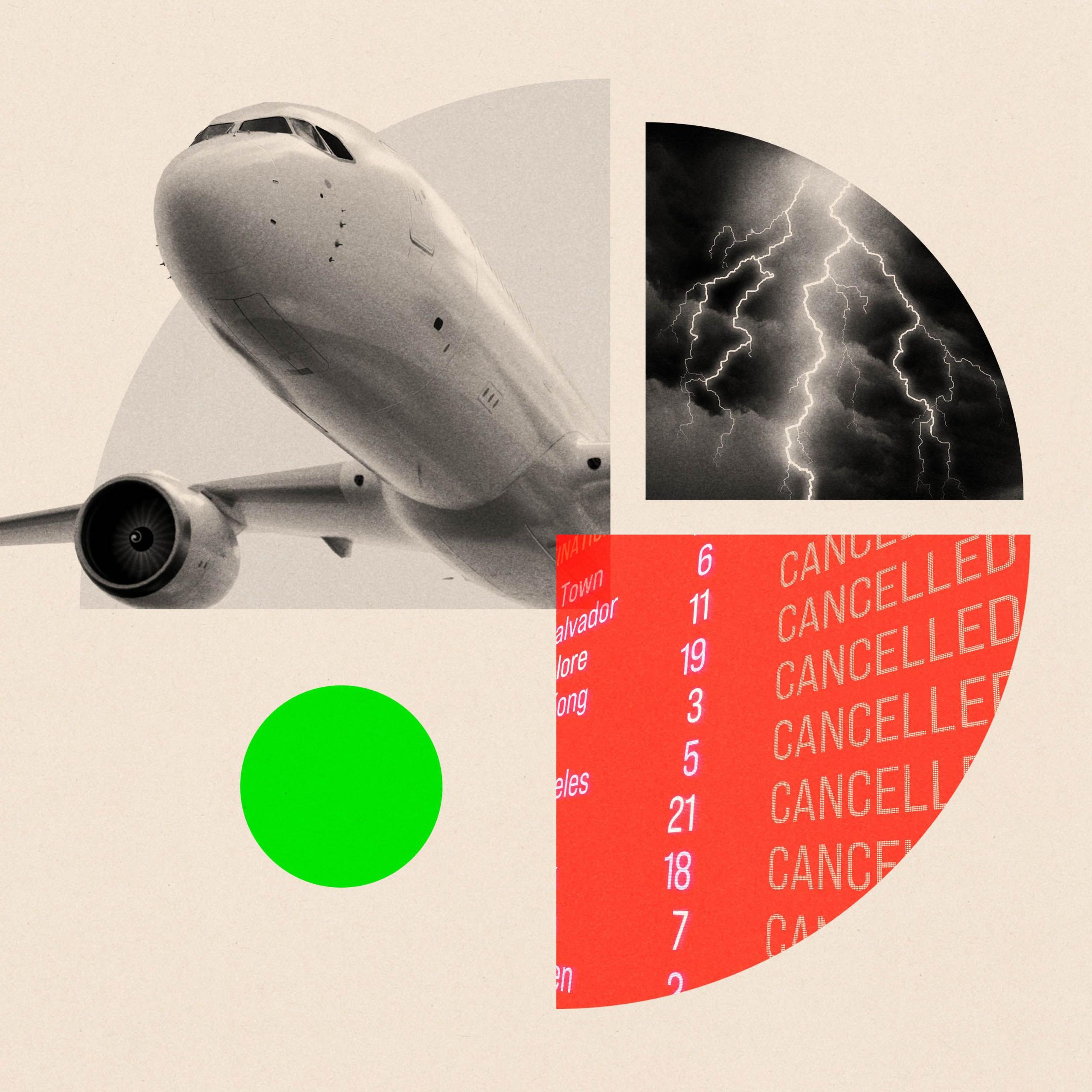
Travelers have faced disruptions, with cancelled flights and stranded tourists awaiting the storm’s passage. The U.S. Pacific islands continue to brace for a powerful cyclone that carries the potential for dramatic loss of life and property, underscoring the urgency of climate readiness and community resilience.