In brief
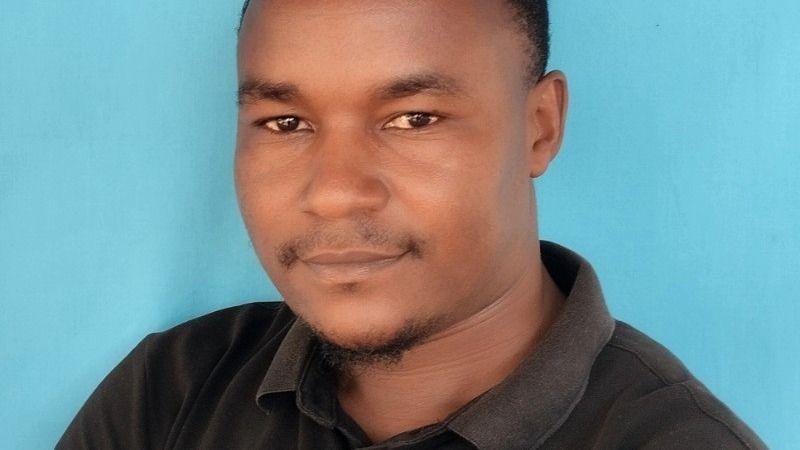
Melkisedek Kaijage, a political science lecturer at the University of Dodoma, was detained by police after the government halted plans for protests over the 2025 election. Initially charged with incitement, the case was upgraded to terrorism and the lecturer remains in Isanga Prison with no bail under the heavy penalties provided for such offences. The move reflects a broader crackdown on opposition figures amid concerns over freedom of expression under President Samia Suluhu Hassan.
A lecturer at the University of Dodoma, Melkisedek Kaijage, was taken into custody and now faces a terrorism charge after police extended an initial incitement charge following a planned protest wave that never materialised on 7 July.
Kaijage spent 15 days in police custody before appearing at a magistrate’s court to seek bail. The change of charge means he will remain in Isanga Prison in the capital, Dodoma, as terror offences generally preclude bail.
He was arrested a day after authorities prepared security forces for nationwide protests in response to the disputed 2025 election results, during which 518 deaths were reported by an inquiry commission.
The prosecutor now accuses Kaijage with threats to burn public buildings, a tactic prosecutors say falls under the umbrella of supporting or facilitating terrorists. Convictions can carry 10 years to life imprisonment under Tanzanian law.
University staff expressed worry that Kaijage’s lecture work had earned him respect among students, rather than his political activism. University of Dodoma’s Academic Staff Association chairman Gerald Shija mentioned his transfer from police custody to the prison.
The case follows the government’s ongoing crackdown on opposition figures after a government suspended national rallies for “security” and the 29 October 2025 election was declared with a 98% win for President Samia Suluhu Hassan—an outcome many critics called a “mockery” of democracy.
Related links: Suspension of political rallies, Elections violence aftermath , President’s role in stability.
For more Africa news, visit BBCAfrica.com and follow us on social media.