In brief
In recent months, a network dubbed Foxtrot has deployed cash‑driven teenage gunmen across Europe, turning social media into a recruitment tool for murder. The group, linked to the Iranian regime, has claimed responsibility for around 35 killings and several terror attacks, often leaving the youths behind the scenes. The high‑profile case of 18‑year‑old Atilla Azimov, who killed a wrong man in Stockholm, illustrates the modus operandi—young operatives are lured, instructed via gaming‑style instructions, and turned into “killers”. Europol’s taskforce GRIMM has made over 280 arrests, but the network’s chilling structure—recruiting increasingly younger teens who feel no fear of consequence—means the threat endures. The case underscores the urgent need for cross‑border cooperation and targeted youth‑support programs to break the cycle of violent crime.
Europe’s law‑enforcement agencies are racing against a new, unsettling trend: underage teenagers hired to pull triggers for criminal organisations that operate by “value‑as‑a‑service” (VaaS) models linked to the Iranian regime.
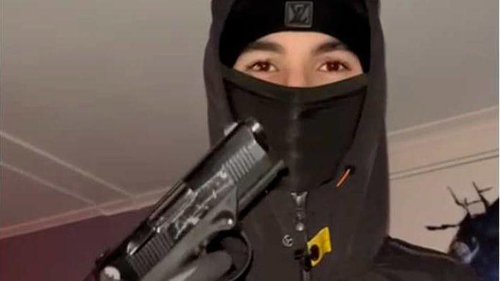
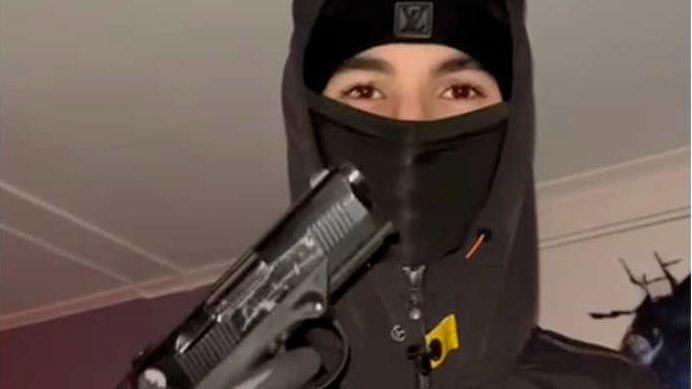
The most notorious case so far involves 18‑year‑old Atilla Azimov, who, in February last year, shot a 20‑year‑old student in a Stockholm suburb while carrying a handgun. Azimov had been paid by the Foxtrot Network—an organised‑crime group that has claimed responsibility for about 35 murders and several violent attacks targeting Israeli sites across Europe—allegedly to earn money for a botched hit.
Azhimov’s recruitment, like many others, began on social‑media platforms. Teenagers are approached with ransom‑style messages—often stylised as videogame commands—encouraging them to carry out hits for a cash reward. Europol’s Operation Task Force GRIMM, established to crack this network, reports that members are instructed using “gamified” step‑by‑step videos, maps, and contact messenger apps, which give the impression of a simple game, yet route them to hidden caches of weapons and money.
The network’s reach extends across 11 European nations: Belgium, Denmark, Finland, France, Germany, Iceland, the Netherlands, Norway, Spain, Sweden and the United Kingdom. In Russia‑strategised Sáti decisions, a 17‑year‑old bombed an Israeli embassy in Copenhagen, showing the network’s capacity to deploy teenage operatives armed with both ideological and pragmatic motives.
Policing successes have been considerable. Over 280 arrests have taken place in the past 15 months, including key links such as ‘Agent 47’, a Foxtrot insider believed to have trafficked instructions and weapons to recruits. Despite these efforts, the network’s founder, Rawa Majid, remains at large, reportedly residing in Tehran and continuing to orchestrate violent operations.
While the arrests have stymied certain high‑profile operations, other criminal organisations, including rivals like the Dalen Network, have started emulating the VaaS model, spreading the risk across Scandinavia and beyond. Teenagers, who often struggle with drug abuse, mental health issues and socio‑economic deprivation, remain a prime target for recruitment.
Local and international human‑rights bodies argue that the solution demands more than policing—requiring coordinated social‑prevention programmes, youth outreach and stricter regulation of online platforms used for recruitment, coupled with cross‑border intelligence sharing.
At the end of the day, the Foxtrot Network’s existence illustrates a chilling reality: by outsourcing murders to vulnerable teens, organised crime harnesses the most desperate part of society, turning them into instruments of violence on a continent that has fueled the very conflicts that can be funded by such sinister designs.