As political dialogue in the United States becomes increasingly coarse, the climate for vulgarity has changed dramatically. Once seen as taboo, using profanity in political speech is now almost commonplace. A notable instance occurred in 2010 when Vice President Joe Biden remarked to President Barack Obama, 'This is a big f——— deal,' during the Affordable Care Act ceremony, embodying the shift towards more candid and explicit communication in politics.
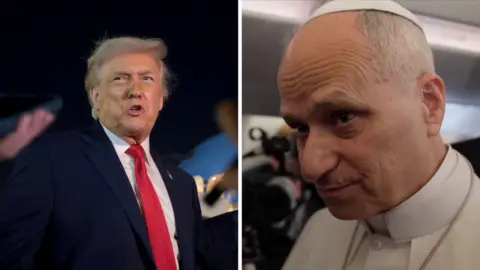
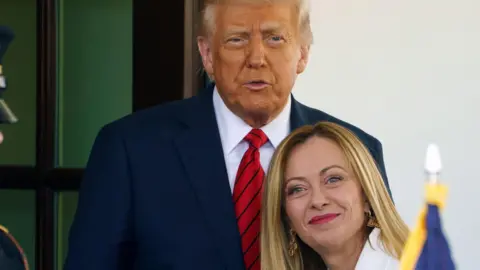
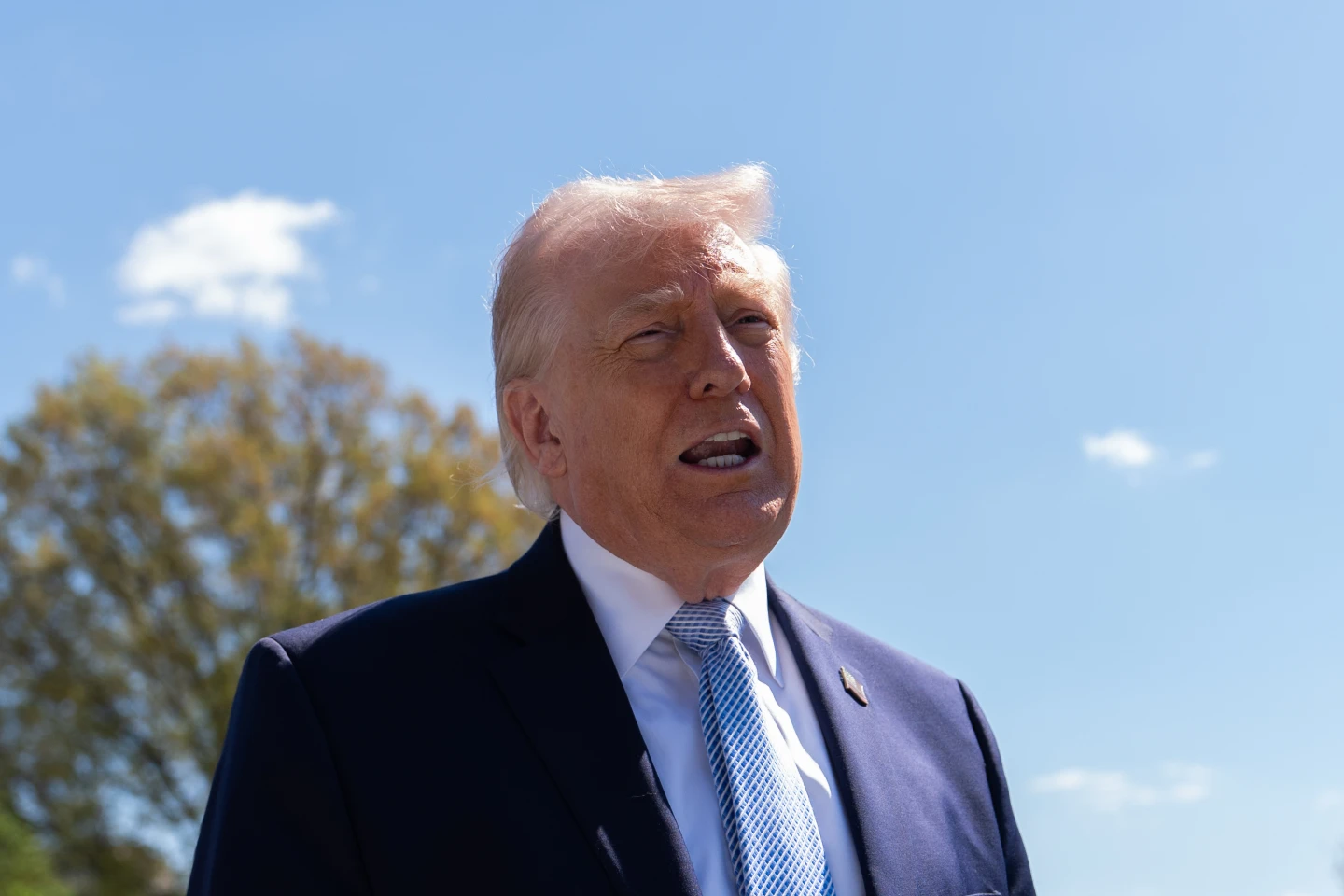
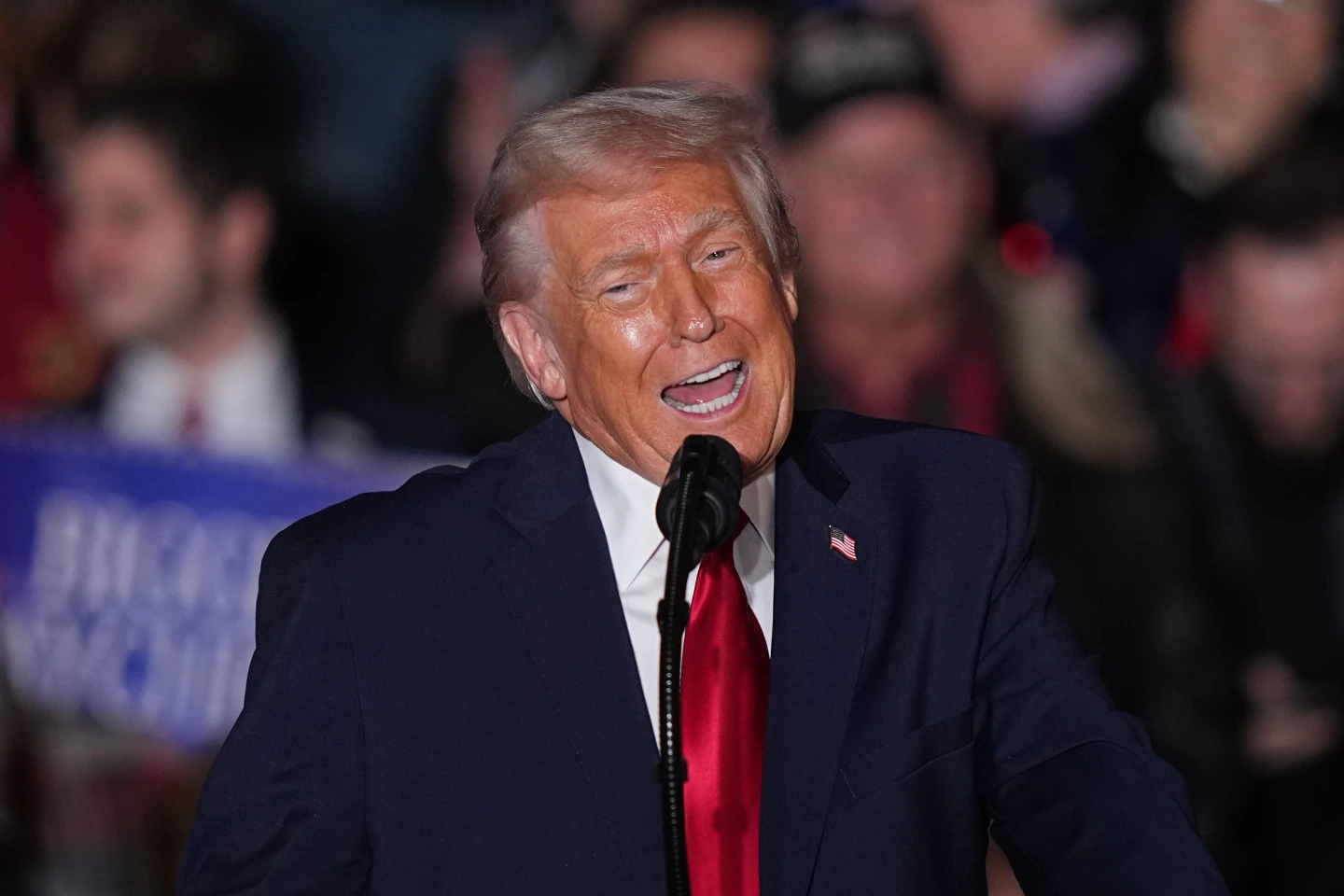
Fast forward to the present, and President Donald Trump has used profanity liberally at events, including a Pennsylvania rally where he made headlines for not holding back on strong language. His comments included disparaging remarks about certain countries and directly labeling alleged criminals in harsh terms during official meetings.
Both parties appear to engage in a competition of sorts, racing to adopt the most shocking language. While Biden's comments were largely incidental, Trump’s remarks are purposely provocative, aligning with his disdain for political correctness.
Such vulgarity has garnered reactions from both sides, as figures like Vice President JD Vance and Senator Kamala Harris have also embraced explicit language in their public addresses. This dynamic reflects a broader shift that has some commentators questioning the impact of these changes on political discourse.
The current landscape poses dilemmas for both parties heading into future elections. While some politicians believe strong language resonates with voters, others warn of the risks associated with overuse, arguing that it could dilute its effectiveness as a rallying point.
The cultural transformation of political language is partly influenced by the intense outrage culture fostered by social media platforms, where soundbites that spark strong emotional responses often gain traction. Amidst this backdrop, calls for civility and restraint in political conversation struggle to gain footing.
In light of the upcoming midterm elections and the 2028 presidential race, the question remains: will the trend towards vulgarity in political rhetoric continue to rise, or will there be a shift back to more traditional forms of discourse? As leaders navigate this evolving landscape, the nature of American politics may never be the same.