In brief
In the wake of increased hostility towards Jewish communities in the U.S., individuals express their outrage over violent attacks while debating the moral implications of supporting Israel. Prominent voices argue that attacks on Jews in response to foreign policies are unjustified and that community solidarity is critical, despite sharp disagreement over Israel's actions.
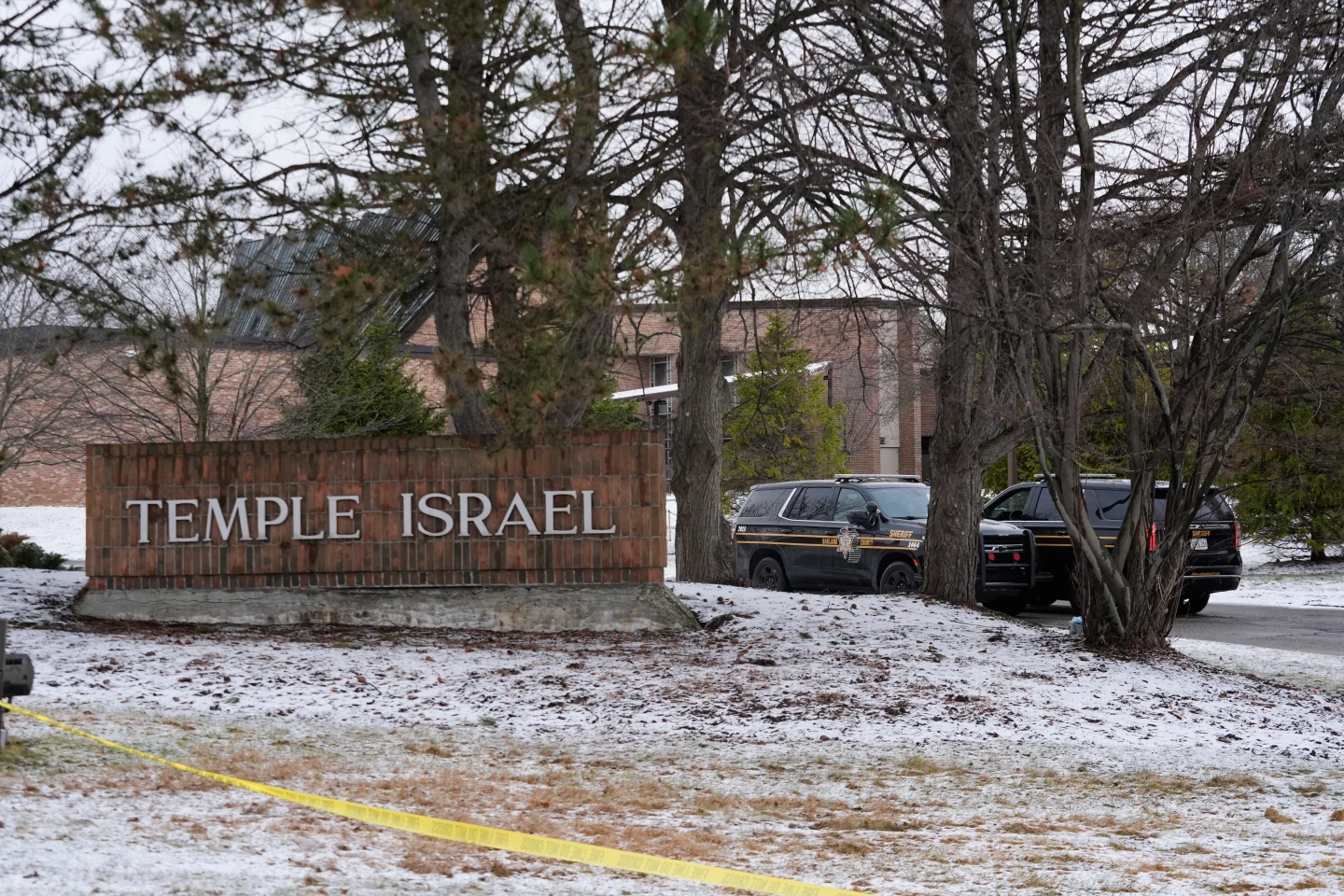
American Jews are navigating a troubling emotional landscape marked by anger over increased anti-Semitic attacks and contentious divides within the community regarding support for Israel. A recent violent episode, where an individual targeted a Detroit-area synagogue, has further fueled this turmoil.
Rabbi Rick Jacobs of the Union for Reform Judaism condemned this act, emphasizing that American Jews should not be held accountable for the actions of Israel. His sentiments were echoed by Jewish commentator Peter Beinart, who reiterated the need to differentiate between criticism of Israel's policies and acts of violence against Jewish communities.
Yet, the internal conflict remains palpable. While some advocate for the removal of pro-Israel symbols in an attempt to ensure safety, others maintain that such expressions of support for Israel are vital. Organizations like the Anti-Defamation League continue to defend their unwavering support for Israel.
Discussions within the community reveal a wide spectrum of opinions on Israel's policies. Many Jewish leaders express concern over the actions of the Israeli government, particularly in relation to the humanitarian crisis in Gaza, while also firmly opposing any violence against Jews as a response to this situation.
There is a shared recognition that the line between anti-Zionism and antisemitism is increasingly thin, with alarming repercussions for those identifying as Jewish. This ongoing struggle highlights both the resilience of the Jewish community and the critical need for dialogue as tensions continue to rise.