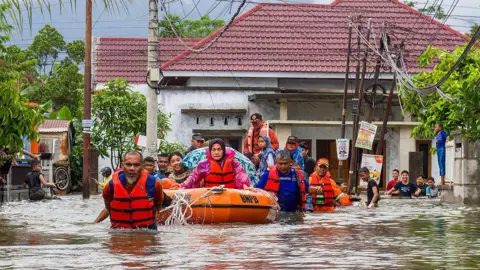
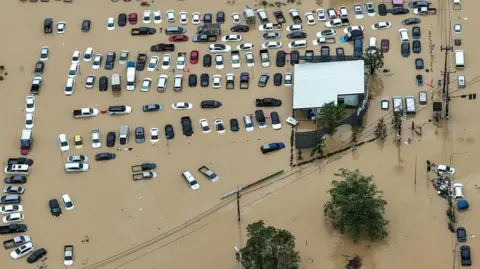
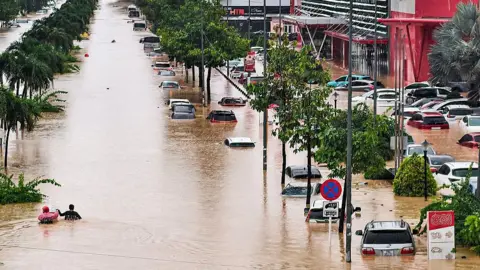
As torrential rains drenched the eastern region of Spain, towns around Valencia became the stage for one of Europe’s most devastating floods in years. It began in the small winemaking municipality of Utiel, located about an hour from Valencia’s bustling coastline. On the afternoon of October 29th, heavy rains transformed the cobblestone streets of Utiel into swift rivers. By 1 p.m., local officials realized the gravity of the situation, alerting emergency services as water began to rise rapidly, endangering the town's residents.
Ricardo Gabaldón, the mayor of Utiel, shared the panic that gripped his community: “Everyone knew that we were drowning.” Despite recognizing the imminent danger, the regional authorities failed to send warnings to communities downstream, including Algemesí, which was to be hit later that evening. José Javier Sanchis Bretones, the mayor of Algemesí, expressed deep frustration, stating, “I don’t know why they didn’t warn us,” as floodwaters there claimed at least three lives.
As the torrents cascaded downstream, the lack of communication from local authorities not only bewildered but angered residents, who felt abandoned in their hour of need. The deadly floodwaters wreaked havoc, destroying homes, uprooting lives, and forever altering the fabric of these communities.
Despite the tragedy, questions linger around the preparedness and responsiveness of local authorities in the face of a natural disaster. Time and again, the voices of the flooded towns cry out for clarity and accountability, as the region begins the long process of recovery.
Officials now face the crucial task of addressing not only the physical damage wrought by the floodwaters but also the institutional failures that left so many in peril. This catastrophic event, which saw residents lose their lives, homes, and sense of security, serves as a stark reminder of the critical importance of effective communication and timely warnings in times of disaster.
Ricardo Gabaldón, the mayor of Utiel, shared the panic that gripped his community: “Everyone knew that we were drowning.” Despite recognizing the imminent danger, the regional authorities failed to send warnings to communities downstream, including Algemesí, which was to be hit later that evening. José Javier Sanchis Bretones, the mayor of Algemesí, expressed deep frustration, stating, “I don’t know why they didn’t warn us,” as floodwaters there claimed at least three lives.
As the torrents cascaded downstream, the lack of communication from local authorities not only bewildered but angered residents, who felt abandoned in their hour of need. The deadly floodwaters wreaked havoc, destroying homes, uprooting lives, and forever altering the fabric of these communities.
Despite the tragedy, questions linger around the preparedness and responsiveness of local authorities in the face of a natural disaster. Time and again, the voices of the flooded towns cry out for clarity and accountability, as the region begins the long process of recovery.
Officials now face the crucial task of addressing not only the physical damage wrought by the floodwaters but also the institutional failures that left so many in peril. This catastrophic event, which saw residents lose their lives, homes, and sense of security, serves as a stark reminder of the critical importance of effective communication and timely warnings in times of disaster.