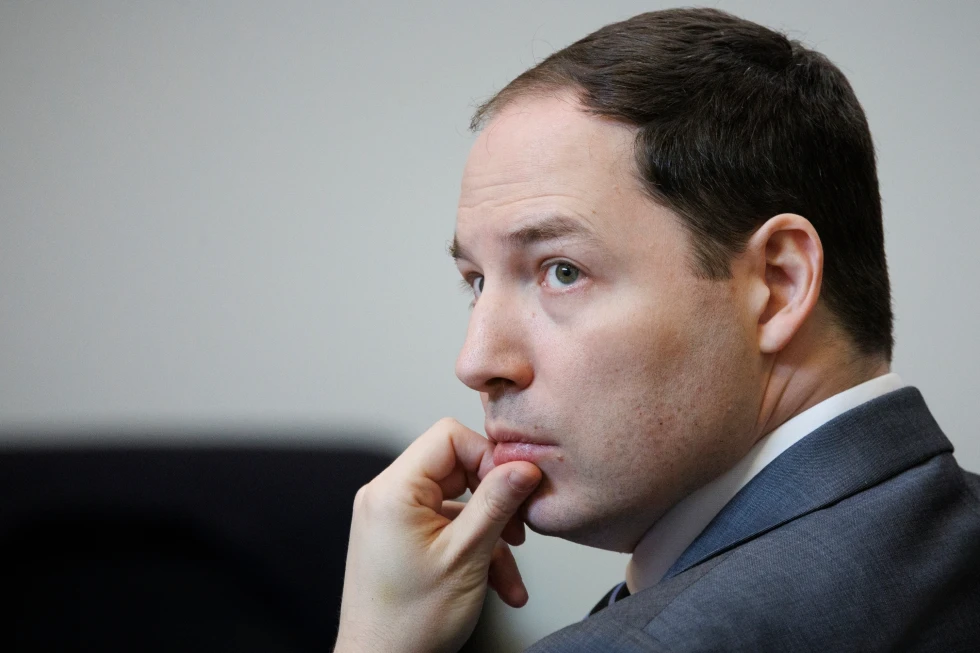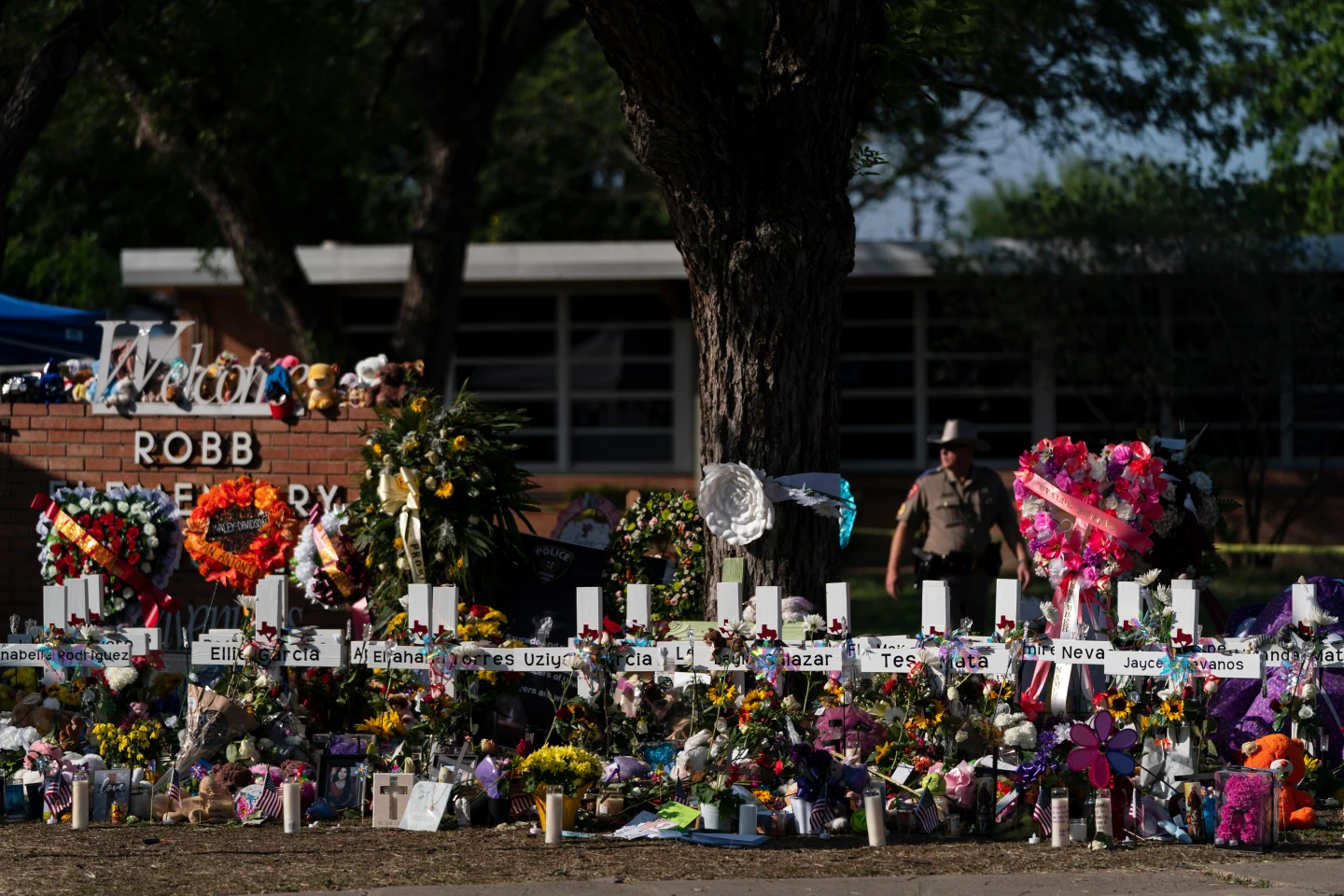
The trial of former Uvalde schools police officer Adrian Gonzales entered its second week with ongoing prosecutors' efforts to establish that he failed to act effectively during the tragic shooting at Robb Elementary School on May 24, 2022, when 19 students and two teachers were killed.
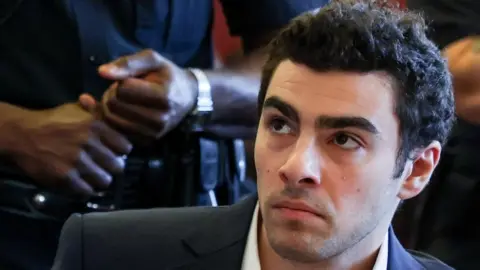
Gonzales, 52, was one of the first officers on the scene as the gunman approached the school. Amid overwhelming evidence pointing to the urgency of responding to an active shooter, he has pleaded not guilty to 29 counts of child abandonment or endangerment.
Witnesses recounted harrowing details of the incident, describing how terrified students made 911 calls while trapped inside classrooms, seeking help amidst the chaos. Special prosecutor Bill Turner emphasized the expectation of an immediate response when children are calling for aid.
The trial has heavily spotlighted Gonzales’ individual actions, claiming that he neglected his active shooter training by failing to confront or distract the gunman outside the school. Additionally, the delay in tactical response contributed to the loss of numerous lives, as it took over an hour for law enforcement to neutralize the shooter.
Emotional Testimonies Reveal the Day's Horrors
Parents, teachers, and students have provided moving testimonies about the events that transpired on that day. Jennifer Garcia, the mother of victim Eliahna Garcia, shared how her daughter wanted to leave school early, and heart-wrenchingly, she told her to stay.
Jurors heard from several educators who followed their active shooter training by locking classroom doors and turning off lights, all while struggling to maintain calm among their students. One teacher, Lynn Deming, recounted experiencing trauma herself during the incident, as she attempted to comfort her students amidst the gunfire.
Focus on Evidence and Gaps in Response
The prosecution concentrated on the evidence of gunfire outside the school, arguing that Gonzales should have been positioned closer to intervene early. However, the defense rebutted, arguing Gonzales never saw the gunman and facilitated evacuations from other areas of the school.
This trial is notably rare, as it presents the potential for a police officer to be held criminally liable for failing to act in a high-stakes active shooter scenario. Only Gonzales and former Uvalde schools Police Chief Pete Arredondo face charges related to the law enforcement response that tragic day.
As the trial progresses, the legal implications surrounding police accountability in crisis situations are under scrutiny, raising important discussions about future protocols and community trust in law enforcement.