
In brief
Trump personally welcomed Xi Jinping at Joint Base Andrews in Maryland with a 100‑foot red carpet, marching band and B‑1 aircraft showing the gravity of the trip. The ceremony marked the first U.S. president to greet a foreign leader at the base since 1962, underscoring the high stakes of the summit. The visit, the first for Xi in Washington since 2015, focuses on trade, AI, national security and a renewed trade truce. Trade officials highlighted new tariff reductions and a push for higher Chinese trade in rare earths and U.S. agricultural goods. Meanwhile, American public opinion appears more open to cooperation, though Trump’s core base still favors tighter limits on China.
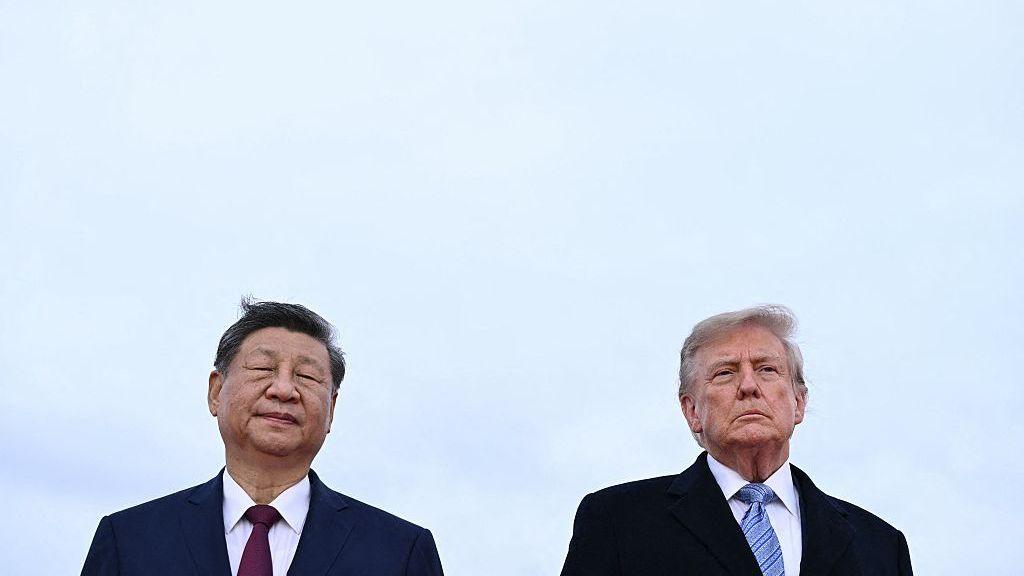
United States President Donald Trump greets Chinese leader Xi Jinping at Joint Base Andrews in Maryland with a red‑carpet ceremony that included a military flyover and a marching band playing the U.S. national anthem.
The two leaders met at the base, where a 100‑foot carpet stretched across the runway. Trump and First Lady Melania Trump welcomed the Chinese couple, shaking hands and posing for photographs before they departed in separate vehicles for Washington.
The ceremony is the first since 1962 in which a U.S. president personally greeted a foreign head of state at a military base. It signals the importance Trump places on Xi’s visit, which is the Chinese president’s first trip to Washington since 2015.
Key agenda items for the three‑day summit include trade, rare earth minerals, artificial intelligence, the Iran conflict, Taiwan, and an extended trade truce. Treasury Secretary Scott Bessent announced that the U.S. and China will extend their current trade deal until January to uphold tariff reductions and spur rare earth imports.
Xi’s entourage, which includes top Chinese officials such as Vice Premier He Lifeng and Foreign Minister Wang Yi, will participate in state dinner and meetings with American business leaders in tech, energy and agriculture.
Both sides have expressed a desire to shift from rivalry to partnership. Xi said the two nations should become partners, while Trump dismissed recent AI safety warnings as a “hoax.”
A recent poll finds 57% of Americans favor cooperation with Beijing, though Trump’s core supporters still lean toward limiting engagement. The visit will conclude with a National Archives tour that highlights historical documents important to U.S.–China relations.