In brief
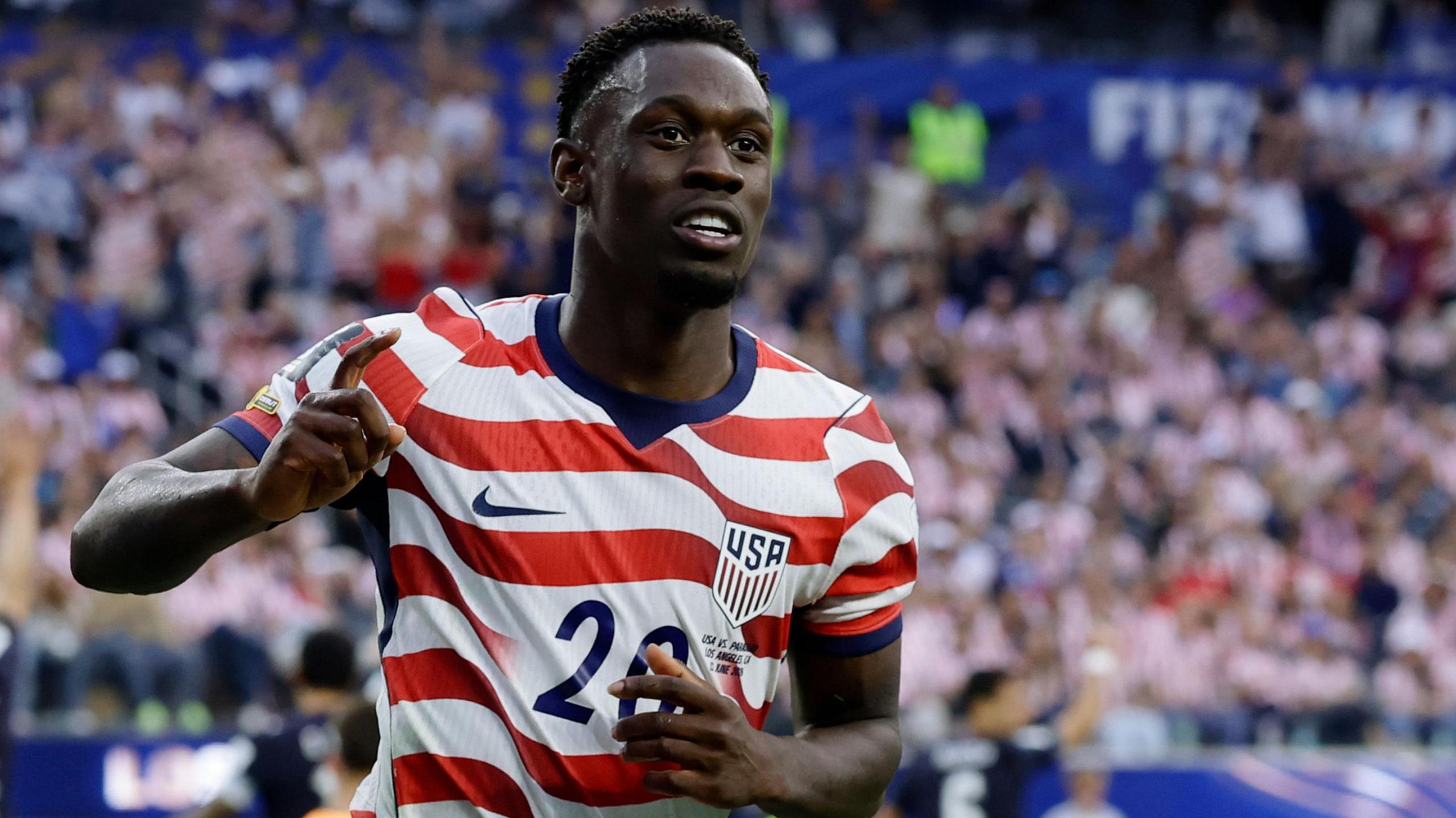
During the 2026 World Cup, U.S. forward Folarin Balogun received a straight red card and was slated for a one‑game ban. In a surprise move, FIFA decided to suspend the automatic sanction for 12 months, allowing Balogun to play in the last‑16. Former President Donald Trump said he asked FIFA to review the decision, arguing it was not a foul and that a ban would have ‘stained’ the tournament. The move drew shock from the Belgian football authorities and criticism from England coach Thomas Tuchel, while UEFA warned that such interference crosses a ‘red line’ in sporting governance.
During the 2026 World Cup, the United States forward Folarin Balogun received a straight red card in the round of 32 match against Bosnia‑Herzegovina. A red card typically triggers an automatic one‑match suspension, and Balogun was slated to miss the last‑16 clash with Belgium.
In a surprising turn, FIFA announced that the automatic ban would be suspended for twelve months, effectively clearing Balogun to play. The decision came after the organisation’s discipline commission reviewed the incident.
Former President Donald Trump, speaking at the White House, said he had asked FIFA to review the ban because he believed the contact was not a foul. He praised the commission’s decision as the “right decision” and claimed that a suspension would have left a “big stain” on the tournament.
Trump told reporters that he had communicated the request to FIFA President Gianni Infantino, but he emphasised that he had not instructed the Swiss officials to lift the ban. He went on to criticise referee Raphael Claus, describing his red‑card decision as “horrible” and “a little bit suspect.”
The Belgian Football Association released a statement saying they were “astonished” by FIFA’s decision and vowed to continue pursuing a defence of the sport’s fundamental principles.
England coach Thomas Tuchel also weighed in, calling the ruling a dangerous precedent and questioning where the line should be drawn between a yellow card and a red card. He said the situation casts uncertainty on future appeals.
UEFA, the governing body of European football, warned that allowing a ban to be effectively cancelled at a tournament “crosses a red line.” In the 19‑year history of the World Cup, only one other instance of a red card leading to no suspension has existed: Brazil’s Garrincha in 1962, a case shrouded in political interference.
Key Points
- The U.S. team’s Balogun red card, originally set for a one-match ban
- FIFA’s decision to suspend the automatic ban for a full year
- Trump’s claim of a direct link to the decision, saying the ban would have “stained” the tournament
- Reactions from Belgium, England and UEFA expressing concern over governance and precedent