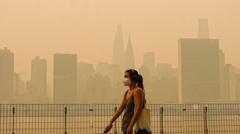
US President Donald Trump has threatened to impose new tariffs on Canada after a surge of wildfires left much of the northern United States shrouded in smoke.
The warning follows complaints from US lawmakers and Ontario premier Doug Ford, who told Washington to send firefighting help instead of complain.
"The United States is being unnecessarily invaded by filthy, polluted and unhealthy air," Trump posted on Truth Social, adding that Canada would face new levies over its "willful negligence." He said he would call Prime Minister Mark Carney for an explanation, accusing Canada of failing to maintain its forests and brush.
As of Saturday, roughly 955 fires were active in Canada, 190 of them in Ontario, most of which were already out of control, according to the Canadian Wildland Fire Information System. Canada has invested about C$12 billion in forest sustainability and fire prevention.
Canadian officials emphasised that climate change is a shared responsibility. A senior Canadian official said the two countries remain in constant contact and have a reciprocal fire‑fighting agreement from 1982. The agreement was reinforced by another assistance pact that stemmed from the 2025 G7 summit.
Ontario premier Doug Ford criticised the rhetoric of US politicians as "shameful" and "unacceptable," stressing Canada’s past support of US firefighting efforts in California and North Carolina. Ford highlighted that more than 150 fire crews and over 80 water bombers are on the ground, and that the provincial government has spent over a billion dollars on wildfire prevention since 2018.
The smoke has created hazardous air‑quality alerts across states from Minnesota and Michigan to Pennsylvania, Ohio and New York. Detroit recorded the world’s worst air quality levels, followed by Chicago, Washington DC and New York.
US lawmakers John James, John Moolenaar, Jack Bergman and Lisa McClain issued an open letter to Canadian officials, warning that American lungs are paying the price for Canadian inaction. They cited chronic under‑investment in forest thinning, fuel reduction, prescribed burns and inadequate enforcement against arson.
Climate scientists say weather does not respect borders. Smoke from Canadian fires can travel across to the US, and US fires have also impacted Canada in previous years. Many of the current Ontario fires are in remote forests where detection and containment are difficult.
Experts note that the recent spike in fire outbreaks is linked to hot, dry conditions at the end of June and below‑average rainfall, driven in part by climate change. Some fires were also sparked by lightning.
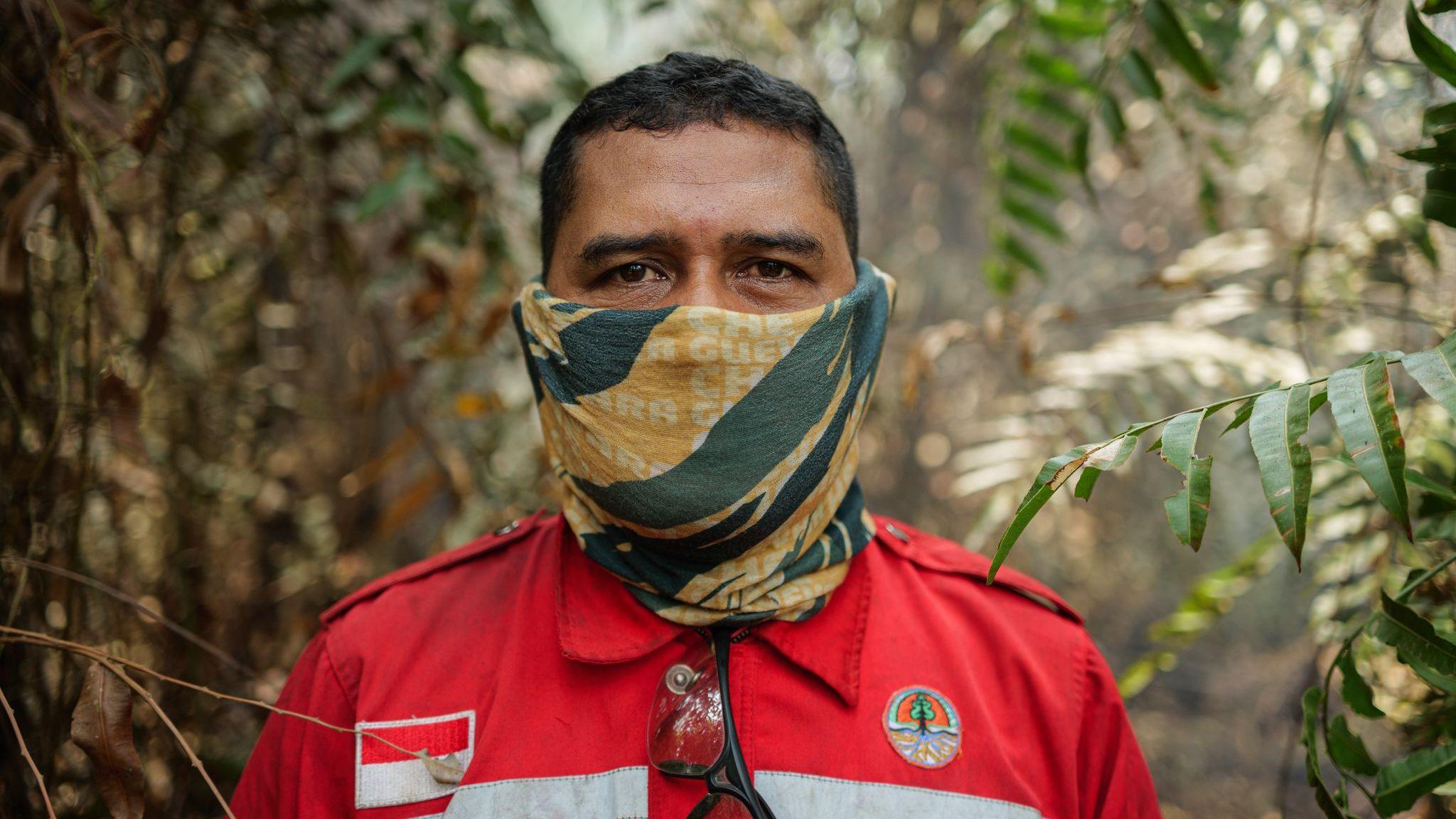
Official reports indicate that nearly 3 million hectares of Canadian land have been consumed by the fires, wreaking havoc on local communities. Several First Nations communities have been forced to evacuate and report their townships as "burnt to ashes".
While Canadian authorities warn that the smoke is a cross‑border threat, they stress that the two nations have a history of cooperation and that inspections and evacuations are ongoing. Toronto, Ottawa and other cities have implemented mask distribution programs to protect residents from hazardous smoke.
The crisis has disrupted outdoor events and air travel, with flight delays noted in airports affected by low visibility. The World Cup final in New Jersey was also monitored for potential weather-related disruptions.
For more context, readers can see the Canadian Wildland Fire Information System, air‑quality alerts and recent articles on the impact of Canadian wildfires on US cities.